Trump Threatens Iran Amid Inflation Surge; Markets React to Geopolitical Tensions
تهدیدهای ترامپ علیه ایران در بحبوحه تورم؛ واکنش بازارها به تنشهای ژئوپلیتیکی
President Trump has issued new threats against Iran, warning of a price to pay for prolonged negotiations amid escalating conflict. Simultaneously, US inflation has surged to a three-year high, directly impacting consumers and potentially influencing global market sentiment.
At time of publishing
USD
177,800
Toman
Gold 18K
17.86M
Toman / gram
Bitcoin
$61,490
US Dollar
Tether
178,400
Toman
Trump Escalates Rhetoric Against Iran, Citing Negotiation Delays
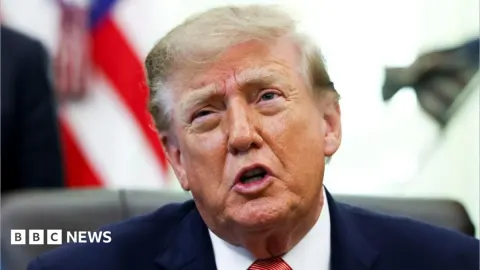
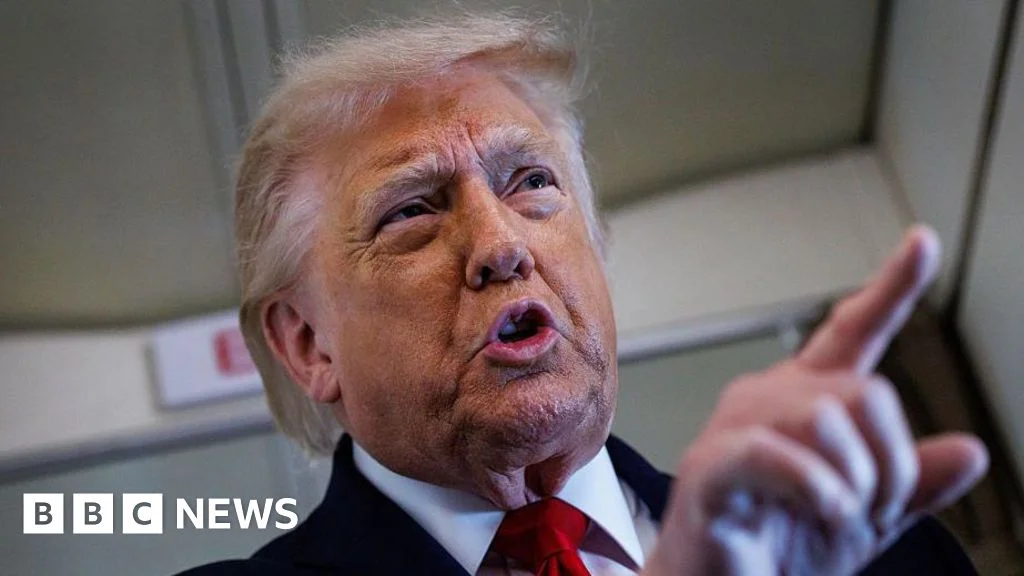
President Trump has intensified his verbal sparring with Iran, issuing a stark warning that Tehran "will have to pay the price" for what he described as an unnecessarily prolonged negotiation period to end the ongoing conflict. This latest salvo comes after an exchange of strikes between the two nations, heightening already considerable geopolitical tensions in the Middle East. The President's remarks, as reported by BBC World and detailed in NYT World's live updates, suggest a hardening stance and impatience with the diplomatic process, raising concerns about further escalation and the potential for renewed military action.
This diplomatic brinkmanship occurs against a backdrop of significant economic strain. The war, which began with the closure of the Strait of Hormuz, has had a tangible impact on global energy prices. Trump's threat, tied to the negotiation timeline, implies that a failure to reach a swift resolution could lead to more severe consequences, potentially including further sanctions or military interventions. The market's reaction, as seen in broader geopolitical indices and commodity prices, will be a key indicator of how seriously this threat is being taken and what future price movements might entail for energy markets and global trade.
US Inflation Soars to 3-Year High, Driven by Conflict and Energy Prices
Consumer prices in the United States have surged to an annual rate of 4.2% in May, marking the third consecutive monthly increase and the highest inflation rate seen in three years. This sharp rise, reported by the BBC and The Guardian, is directly attributed to the ongoing conflict in the Middle East, particularly the disruption of energy supplies stemming from the closure of the Strait of Hormuz. Prior to the conflict, inflation stood at a much lower 2.4%, underscoring the significant economic impact of the geopolitical crisis.
The implications for American households are substantial, with consumers feeling the strain of higher energy costs and the ripple effects throughout the economy. This inflationary pressure not only erodes purchasing power but also poses a challenge for the Federal Reserve, which must balance the need to control inflation with the imperative to support economic growth amidst a volatile geopolitical landscape. The continued rise in the Consumer Price Index (CPI) could also influence future monetary policy decisions, potentially leading to interest rate adjustments that would affect borrowing costs and investment across various sectors.

Bitcoin and Crypto Markets Under Pressure Amid Geopolitical Uncertainty and Economic Headwinds
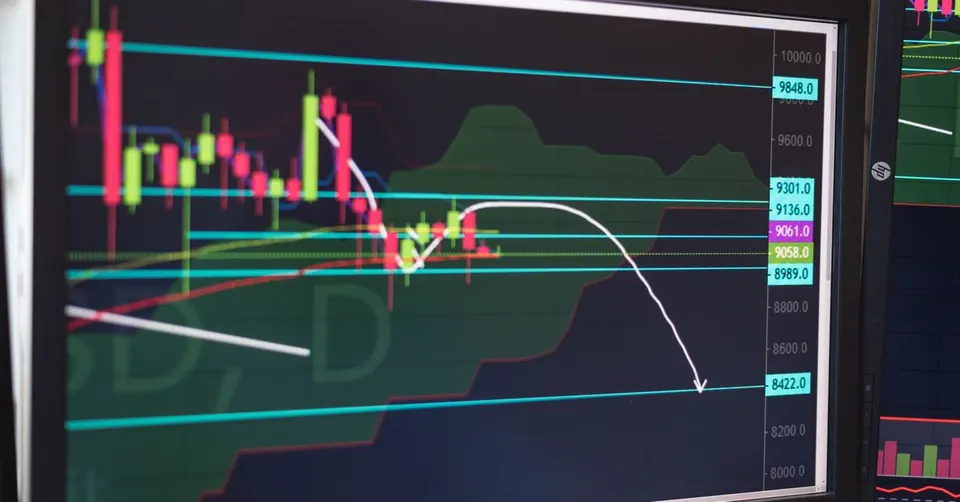
Cryptocurrency markets are experiencing a downturn, with the CoinDesk 20 index dropping 1.4% as all its constituents decline. Bitcoin, the leading digital asset, is trading near cycle lows around $61,000, reflecting broader market anxieties. This slump is attributed to a confluence of factors, including deepening geopolitical tensions, persistent inflation fears, and significant outflows from Bitcoin Exchange Traded Funds (ETFs). The ongoing conflict in the Middle East, coupled with the rising US inflation figures, is contributing to a general risk-off sentiment among investors, impacting speculative assets like cryptocurrencies.
The broader economic environment is also playing a crucial role. While Bitcoin's core CPI rose less than feared by 0.2% in May, the overall inflation rate remains a significant concern. Furthermore, the CoinDesk report notes that over 50% of the Bitcoin supply is now underwater, indicating that a substantial portion of holders are currently trading at a loss. This, combined with ETF outflows and general macroeconomic uncertainty, creates a challenging environment for crypto assets, which are often sensitive to shifts in global economic sentiment and investor risk appetite. The integration of Solana payments into the World Series of Poker, while a positive development for blockchain adoption in gaming, is occurring against this prevailing bearish market trend.
Hong Kong Fire and Argentina's Rock Star: Diverse Global News
In Hong Kong, the first charges have been laid in connection with a deadly fire that occurred last year, claiming 168 lives and marking the deadliest blaze in the city in 70 years. The investigation and subsequent legal proceedings at Wang Fuk Court signal a move towards accountability for the tragedy. While this is a significant development for local justice, its direct market impact is likely to be minimal, though it contributes to the ongoing narrative of global events that can indirectly influence investor confidence.
Meanwhile, in Argentina, a nation is in mourning as millions of fans queue for miles to pay tribute to the beloved rock star Carlos 'Indio' Solari. His music has inspired cross-generational devotion, creating a powerful cultural moment. This event, while deeply significant on a human and cultural level, falls outside the typical scope of financial or geopolitical news, highlighting the diverse range of impactful stories occurring worldwide. It serves as a reminder of the human element that often exists alongside the economic and political narratives that dominate headlines.

Watch
US, Iran exchange a new round of strikes
ABC News
Frequently Asked Questions
What is the current exchange rate between USD and IRR?
How has US inflation been affected by the Iran conflict?
What is the current status of the Bitcoin market?
What is the latest development regarding the Hong Kong fire?
Are there any new developments in the UK economy?
Understanding Geopolitical Risk and its Market Impact
Geopolitical risk refers to the potential for political instability, conflicts, and international tensions to disrupt global affairs and, consequently, financial markets and economic stability. These risks can stem from various sources, including interstate conflicts, civil unrest, trade wars, sanctions, and even major political leadership changes. The essence of geopolitical risk lies in its ability to introduce significant uncertainty, making it difficult for investors and businesses to predict future economic conditions and market behavior.
When geopolitical tensions escalate, financial markets typically react with increased volatility. Stock markets may experience sharp declines as investor confidence wanes and companies face potential disruptions to supply chains, production, or sales in affected regions. Conversely, traditional safe-haven assets, such as government bonds (particularly those from stable economies) and precious metals like gold, often see increased demand as investors seek to preserve capital. Commodity markets, especially oil, are particularly sensitive to geopolitical events, with tensions in key producing regions often leading to price spikes due to supply concerns.
The broader economic implications of geopolitical risk can be profound. It can exacerbate inflationary pressures by disrupting global supply chains, increasing shipping costs, and driving up energy prices. For instance, conflicts in oil-producing regions can directly impact global fuel costs, affecting everything from transportation to manufacturing. This can lead to higher consumer prices and reduced purchasing power. Moreover, prolonged geopolitical instability can deter foreign direct investment, slow economic growth, and even trigger capital flight from vulnerable economies.
In times of heightened geopolitical uncertainty, investor behavior shifts dramatically. Beyond traditional safe havens, some investors might look towards alternative assets like certain cryptocurrencies, such as Bitcoin, which are sometimes perceived as decentralized stores of value less susceptible to government control or traditional market fluctuations. However, the volatility of cryptocurrencies themselves means they don't always offer the same stability as traditional safe havens. Ultimately, understanding geopolitical risk is crucial for navigating the complex interplay between global politics and economic performance, allowing for more informed investment and policy decisions.