Air Canada Pilot's License Lapse, Trump's Inflation Jab, and Iran's Infrastructure Threats
خلبان کانادا بدون مجوز، تورم ترامپ و تهدید زیرساخت ایران
A shocking revelation about an Air Canada pilot's alleged 17-year flight without proper licensing raises questions about aviation safety. Meanwhile, former US President Trump comments on rising inflation, linking it to the ongoing conflict with Iran. In Tehran, President Pezeshkian decries threats against critical infrastructure as a sign of desperation.
At time of publishing
USD
178,400
Toman
Gold 18K
17.78M
Toman / gram
Bitcoin
$61,897
US Dollar
Tether
178,840
Toman
Air Canada Pilot Flew for 17 Years Without Proper License
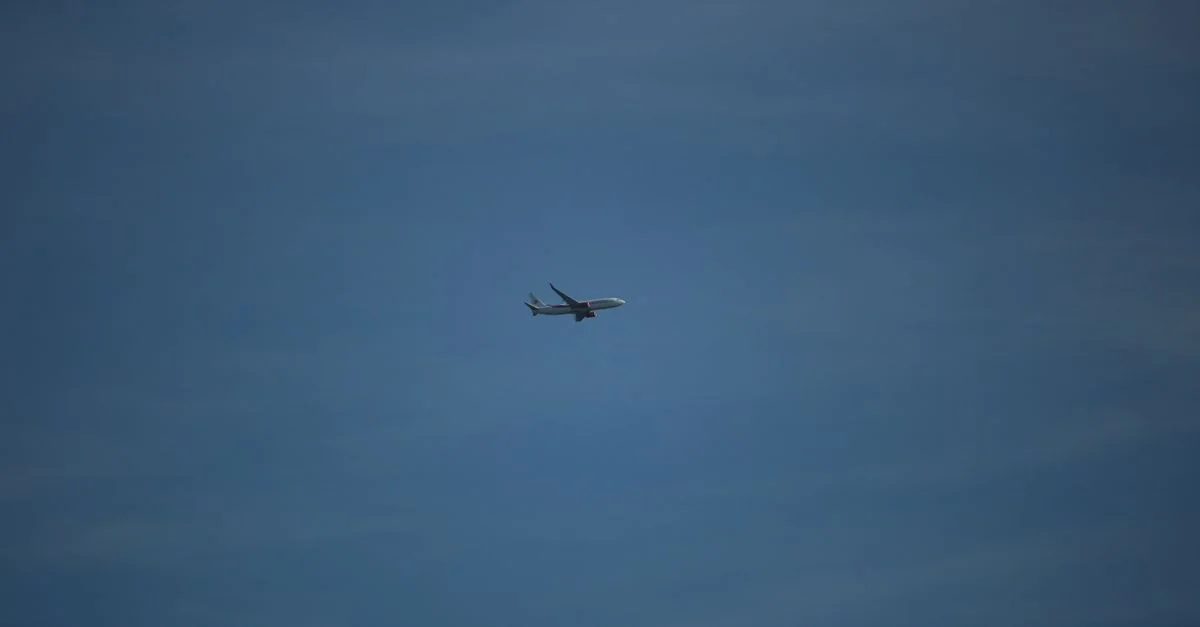
In a startling revelation that has sent ripples through the aviation industry, an Air Canada pilot is accused of having flown for 17 years without holding the necessary captain's license. While the pilot reportedly possessed some valid flight credentials, the specific certification required to command an aircraft was allegedly missing for nearly two decades before their retirement last year. This news, surfacing from a recent investigation, raises significant concerns about the robustness of regulatory oversight and the potential for human error in critical safety-dependent sectors.
This incident is particularly concerning given the stringent safety protocols expected within the airline industry. The implication that a pilot could operate commercial flights for such an extended period without the correct authorization suggests potential systemic failures in verification processes. The timing of this report, amidst broader discussions on infrastructure and safety standards globally, underscores the importance of maintaining rigorous checks and balances. Passengers and industry experts alike will be looking for Air Canada and aviation authorities to provide a comprehensive explanation and outline steps to prevent such a lapse from recurring.
Trump Links Inflation Surge to Iran Conflict, Promises More Strikes
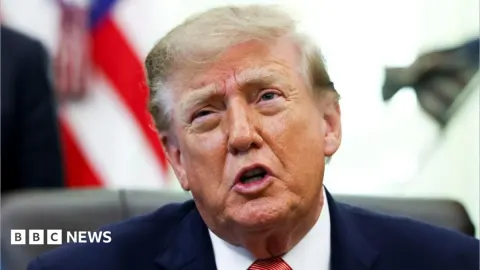
Former US President Donald Trump has commented on the recent surge in US inflation, stating, "I love the inflation," and linking the economic trend to the ongoing conflict involving Iran. New data indicates that inflation has climbed to an annual rate of 4.2% in May, marking a three-year high and a significant increase since the onset of the Iran war, which has disrupted energy prices and global trade routes. Trump's remarks, made amidst escalating tensions, suggest a complex interplay between geopolitical events and domestic economic conditions.
Trump further accused Iran's peace negotiators of "playing us for suckers" and vowed that the US would launch fresh strikes. This statement comes after overnight exchanges of fire between the two nations, drawing neighboring Gulf states into the conflict. The renewed threat of military action, coupled with the economic repercussions of the war, paints a grim picture for regional stability and global markets. The market's reaction to these developments, particularly concerning oil prices and currency fluctuations, will be closely watched.

Iran's President Denounces Infrastructure Threats as Desperation
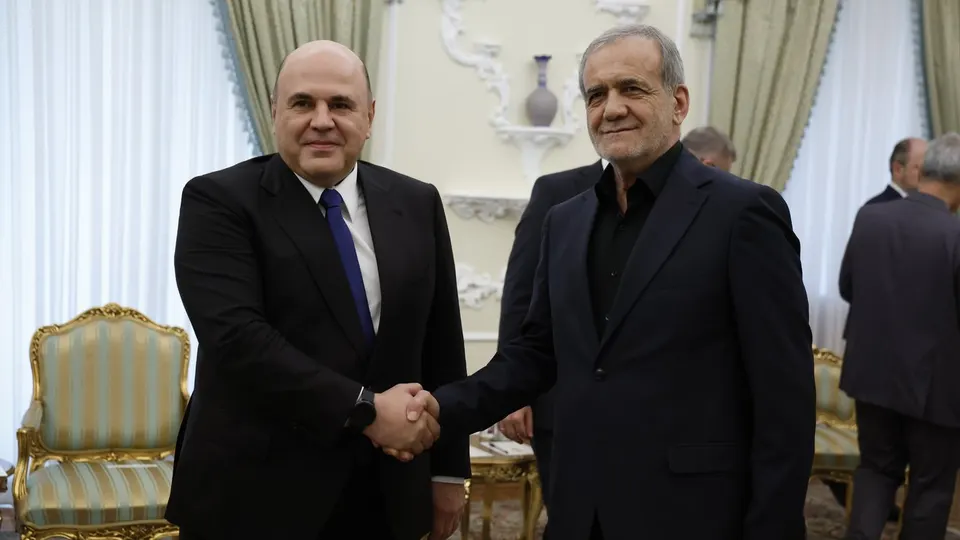
Iranian President Masoud Pezeshkian has addressed recent threats to target critical infrastructure, characterizing them not as a display of strength, but as a clear indication of desperation against the will of the Iranian nation. Speaking from Tehran, Pezeshkian asserted that such actions stem from a position of weakness rather than power, reflecting an inability to achieve objectives through conventional means.
This statement from the Iranian presidency comes at a time of heightened regional tensions. The remarks aim to bolster national morale and frame external threats as evidence of the adversary's waning influence. For Iranian citizens, these pronouncements are interpreted against a backdrop of economic pressures, including currency fluctuations and the impact of geopolitical instability on daily life. The focus on critical infrastructure highlights the sensitive nature of the ongoing conflict and its potential ramifications for both domestic stability and international relations.
Frequently Asked Questions
What are the implications of the Air Canada pilot's alleged license lapse?
How is the US-Iran conflict affecting inflation, according to Trump?
What is President Pezeshkian's stance on threats to Iran's critical infrastructure?
How are markets reacting to the ongoing geopolitical tensions and economic statements?
Understanding Critical Infrastructure
Critical infrastructure refers to the essential physical and cyber systems and assets that are vital to a nation's security, economy, public health, and safety. These include obvious examples like power grids, water treatment plants, transportation networks (roads, railways, airports), and communication systems (internet, telephone). Less visible but equally crucial are financial services, healthcare facilities, and emergency services. The disruption or destruction of these systems, whether by natural disaster, human error, or malicious attack, can have devastating and cascading effects across society.
The significance of critical infrastructure lies in its foundational role; without it, modern societies cannot function. For instance, a cyberattack on a power grid could lead to widespread blackouts, impacting hospitals, communication, and water supply. Similarly, an attack on transportation hubs could cripple supply chains and economic activity. The interconnected nature of these systems means that a failure in one area can quickly propagate, creating a crisis far beyond the initial point of impact. Governments and international bodies recognize these vulnerabilities, especially in an era of increasing digital dependence and geopolitical tensions.
Threats to critical infrastructure are diverse and constantly evolving. They range from physical attacks by state-sponsored actors or terrorist groups to sophisticated cyberattacks aimed at disrupting operations, stealing data, or causing widespread chaos. Natural disasters, such as hurricanes or earthquakes, also pose significant risks, highlighting the need for resilient design and rapid recovery capabilities. Human error, though often unintentional, can also lead to critical system failures, underscoring the importance of rigorous training and safety protocols.
Protecting critical infrastructure involves a multi-faceted approach. This includes robust cybersecurity measures, physical security protocols, intelligence gathering to anticipate threats, and international cooperation to share best practices and coordinate responses. Governments often work closely with private sector entities, as much of this infrastructure is owned and operated by private companies. Developing resilience—the ability to withstand, adapt to, and quickly recover from disruptions—is paramount. For the average citizen, understanding the importance of critical infrastructure fosters awareness of national security priorities and the interconnectedness of daily life with these vital systems.