Trump Eyes Iranian Oil Assets; Hugo Boss Surges on Takeover Bid; SpaceX Eyes Stock Market
ترامپ داراییهای نفتی ایران را هدف گرفت؛ هوگو باس با پیشنهاد خرید جهش کرد؛ اسپیسایکس در راه بازار سهام
Former US President Donald Trump has escalated tensions by threatening to seize Iranian oil and gas facilities, while global markets react to a potential takeover of fashion house Hugo Boss and the upcoming stock market debut of Elon Musk's SpaceX.
At time of publishing
USD
180,300
Toman
Gold 18K
17.79M
Toman / gram
Bitcoin
$62,859
US Dollar
Tether
180,990
Toman
Trump Threatens Seizure of Iranian Oil Facilities Amid Escalating Tensions
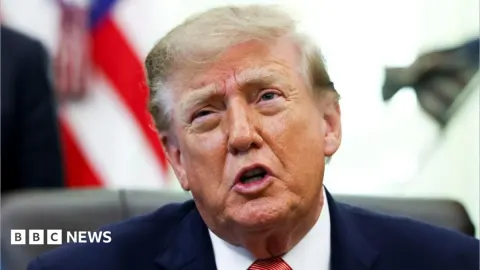
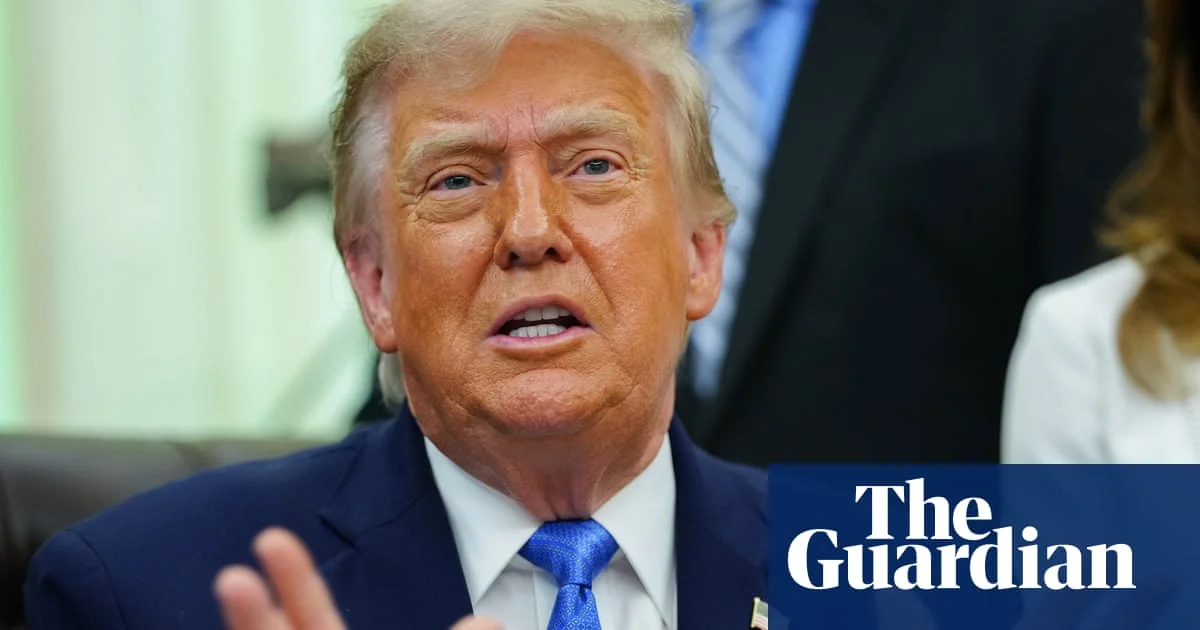
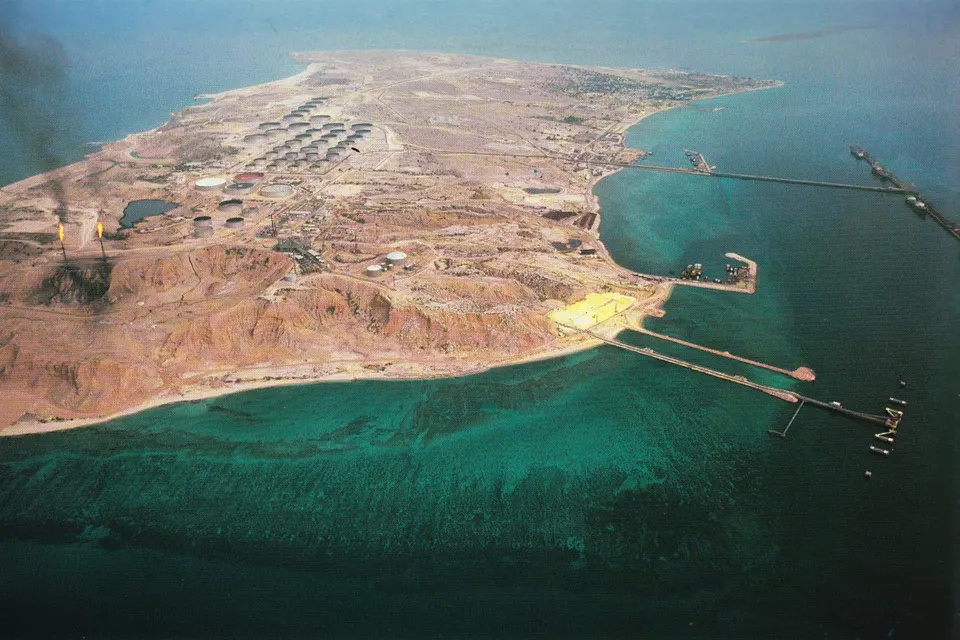
Former US President Donald Trump has dramatically escalated the ongoing conflict with Iran, issuing a stark warning that the United States will seize control of Iranian oil and gas facilities and launch further strikes. This declaration comes just hours after exchanges of fire between the two nations on Thursday, despite a nominal ceasefire. Trump posted on Truth Social, stating the US would hit Iran "VERY HARD, TONIGHT," and claimed that significant portions of Iran's offensive capabilities had been neutralized. He specifically mentioned plans to take Kharg Island, a critical Gulf hub responsible for approximately 90% of Iran's oil exports and housing extensive storage infrastructure.
This aggressive stance signifies a potential new phase in the geopolitical standoff, moving beyond direct military engagement to direct economic coercion targeting Iran's vital energy sector. The threat to seize Kharg Island, if enacted, would cripple Iran's primary revenue stream and could have profound implications for global oil markets. The analogy drawn to the US operation in Venezuela suggests a strategy aimed at long-term control and resource acquisition rather than immediate punitive action. This development poses significant risks to regional stability and could trigger further market volatility, impacting currency valuations and investor confidence.
---
Hugo Boss Shares Jump on Frasers Takeover Examination
Shares of the German fashion house Hugo Boss experienced a significant surge, jumping nearly 10% on Thursday, following the company's announcement that it would "thoroughly examine" a takeover offer valued at nearly €2 billion from Mike Ashley's Frasers Group. Frasers Group, which already holds a substantial stake of just over 26% in Hugo Boss, formally submitted its bid to acquire full control of the renowned fashion brand. This move signals a bold expansion strategy by Ashley's retail empire, which has been actively seeking to broaden its portfolio beyond sportswear and fashion.
The potential acquisition is seen as a strategic play by Frasers Group to enhance its global standing in the competitive fashion industry. Hugo Boss, with its established brand recognition and market presence, represents a significant opportunity for consolidation and growth. The market's positive reaction underscores investor confidence in the potential synergies and financial benefits of such a merger. For Hugo Boss, the examination of the offer suggests a serious consideration of the proposal, though final outcomes remain uncertain as the company evaluates the bid's merits and implications for its future operations and shareholder value.
---

SpaceX's Potential Stock Market Debut Sparks Market Speculation
Elon Musk's aerospace giant, SpaceX, is reportedly preparing for a stock market debut that could represent one of his most significant financial gambles to date. While the exact timeline and valuation remain under wraps, the prospect of SpaceX going public has sent ripples of excitement and speculation through both traditional and cryptocurrency markets. The company's innovative approach to space exploration and its burgeoning satellite internet service, Starlink, have positioned it as a major player with immense growth potential.
The potential IPO is not only significant for SpaceX and Musk but also for the broader financial landscape. The company's success could redefine the valuation of aerospace and technology firms, potentially influencing investment trends and market dynamics for years to come. Furthermore, the integration of SpaceX stock with Solana, as reported, hints at a future where traditional equities and blockchain-based assets become increasingly intertwined, blurring the lines between established financial systems and the burgeoning digital asset space. This development could pave the way for new forms of trading and investment, offering investors novel ways to engage with high-growth companies.
---
India Flags Second Tanker Incident Amid Regional Instability
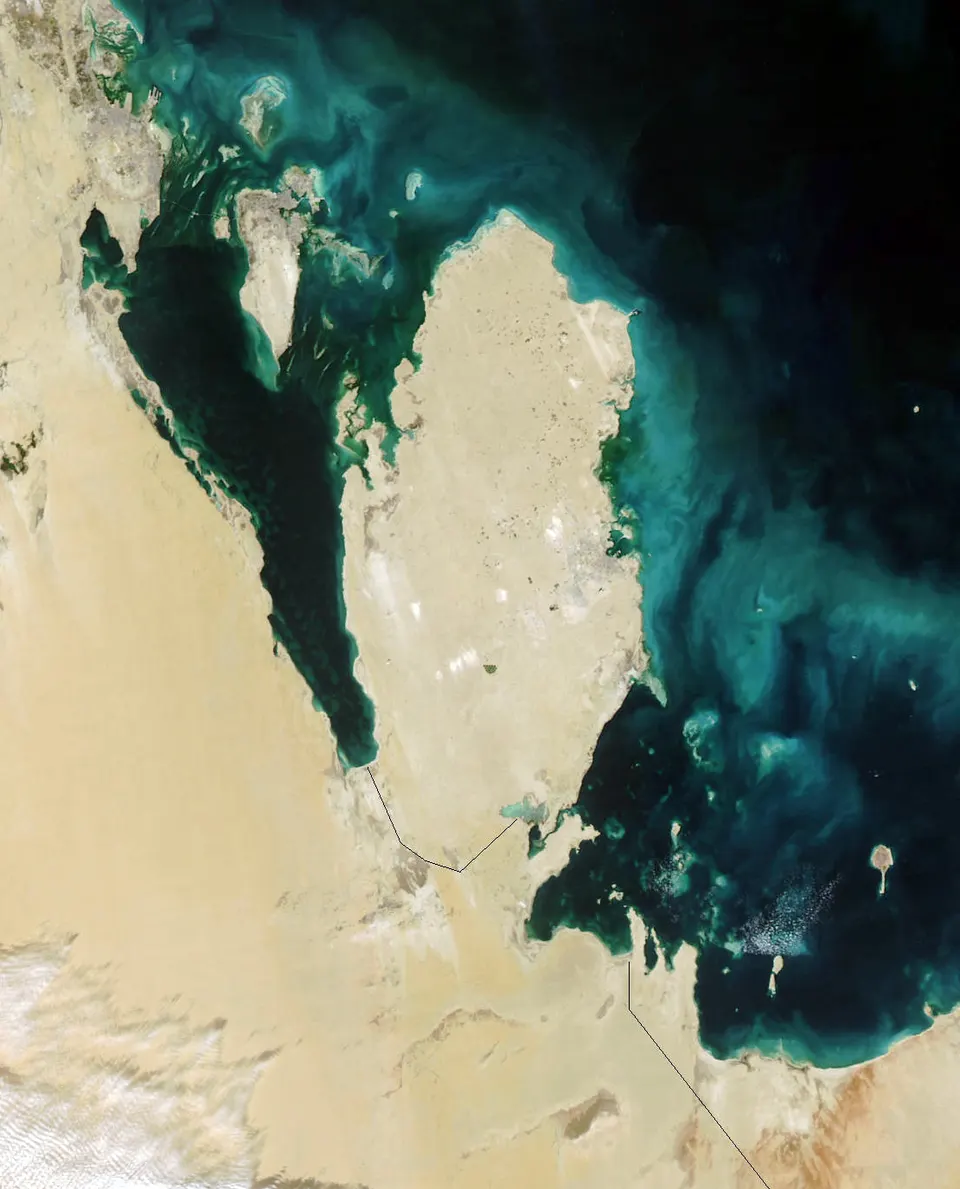
India has reported a second incident involving a tanker off the coast of Oman within a 24-hour period, raising further concerns amidst escalating U.S.-Iran tensions in the region. The Indian Embassy in Oman confirmed the event, stating that they are closely monitoring the situation and coordinating with local authorities for more details. This latest incident follows the tragic deaths of three Indian seafarers earlier in the week due to a U.S. strike on a different vessel.
These repeated incidents underscore the heightened risks to maritime traffic in the vital shipping lanes of the Persian Gulf and the Gulf of Oman. The proximity of these events to the ongoing geopolitical conflict between the U.S. and Iran suggests a direct or indirect link to the broader regional instability. Such disruptions not only threaten the safety of seafarers and commercial vessels but also have the potential to impact global energy supplies and contribute to upward pressure on oil prices. The situation demands careful diplomatic navigation to prevent further escalation and ensure the unimpeded flow of international trade.
---
Frequently Asked Questions
What specific Iranian oil facilities did Trump threaten to seize?
What is the value of the takeover offer for Hugo Boss?
What is the connection between SpaceX and Solana mentioned in the report?
Why is India concerned about the tanker incidents off Oman?
How has the USD/IRR rate performed in the last 24 hours?
Understanding Economic Sanctions
Economic sanctions are punitive measures imposed by one country or a group of countries on another to achieve specific foreign policy goals. These measures typically involve restrictions on trade, finance, and other economic activities, aiming to exert pressure on the target nation's government to alter its behavior. They can range from comprehensive embargoes that block nearly all commerce to more targeted restrictions on specific sectors, individuals, or entities, such as financial institutions or oil industries.
The primary objectives behind implementing economic sanctions are diverse. They are often employed to deter military aggression, combat terrorism, promote human rights, prevent nuclear proliferation, or respond to violations of international law. By limiting access to international markets, freezing assets, or restricting financial transactions, the sanctioning body hopes to inflict economic pain that compels the target government to comply with its demands, ideally without resorting to military intervention.
The mechanisms of sanctions can vary significantly. They might include trade embargoes on certain goods (like oil or arms), asset freezes on government officials or specific companies, travel bans, or restrictions on access to international financial systems like SWIFT. While intended to pressure a government, sanctions can have wide-ranging impacts, affecting the target country's economy, its citizens, and even global markets. They can lead to shortages, inflation, and reduced economic growth, sometimes causing humanitarian concerns and unintended consequences that complicate their effectiveness and ethical implications.
The discussion around "Trump Eyes Iranian Oil Assets" directly relates to the concept of economic sanctions. Iran has been subject to various international sanctions, particularly concerning its oil industry and nuclear program, for decades. The threat or implementation of further sanctions, or actions targeting specific assets, is a common tactic in international relations to pressure a nation whose policies are deemed problematic by global powers. Understanding sanctions is crucial for grasping the geopolitical dynamics and economic pressures at play in such situations.