Trump Threatens 'Very Hard' Strike on Kharg Island; Toman Breaches 180,000 Barrier
تهدید ترامپ به حمله «بسیار سخت» به جزیره خارگ؛ عبور دلار از مرز ۱۸۰ هزار تومان
President Trump has escalated tensions by threatening to seize Iran’s primary oil hub, Kharg Island, as the Iranian Toman reacts sharply to the 'tonight' strike warning. Meanwhile, a security incident at the Pentagon and divergent AI market trends for Oracle and Micron add to the global uncertainty.
At time of publishing
USD
180,550
Toman
Gold 18K
17.85M
Toman / gram
Bitcoin
$62,551
US Dollar
Tether
181,139
Toman
Trump Threatens Seizure of Kharg Island as Tensions Reach Boiling Point
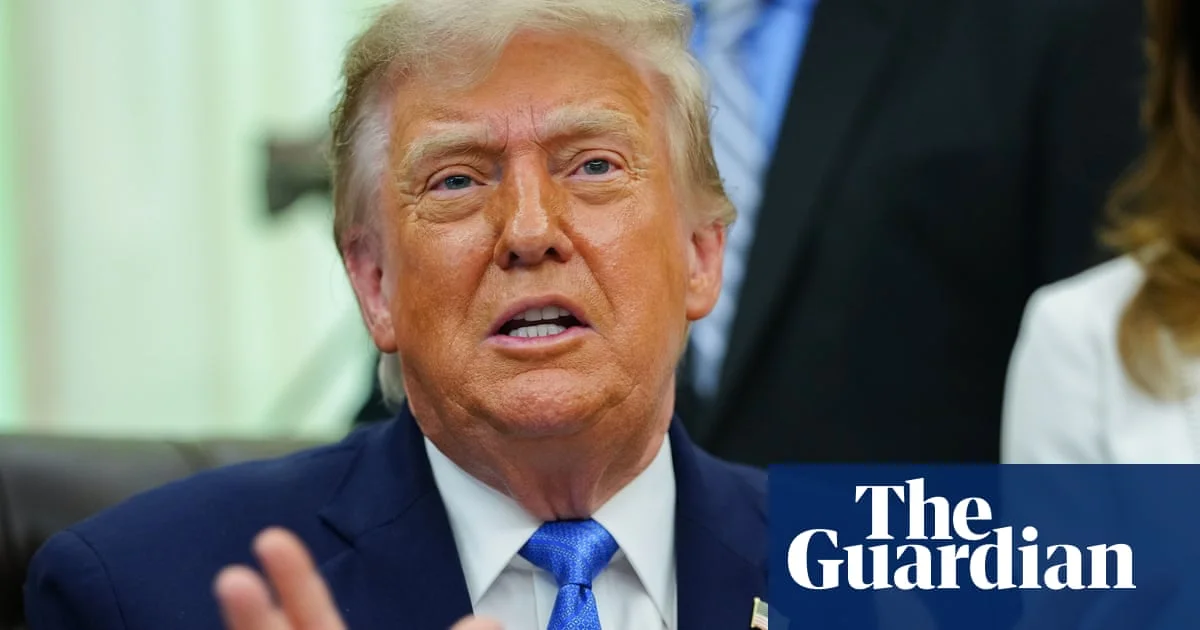
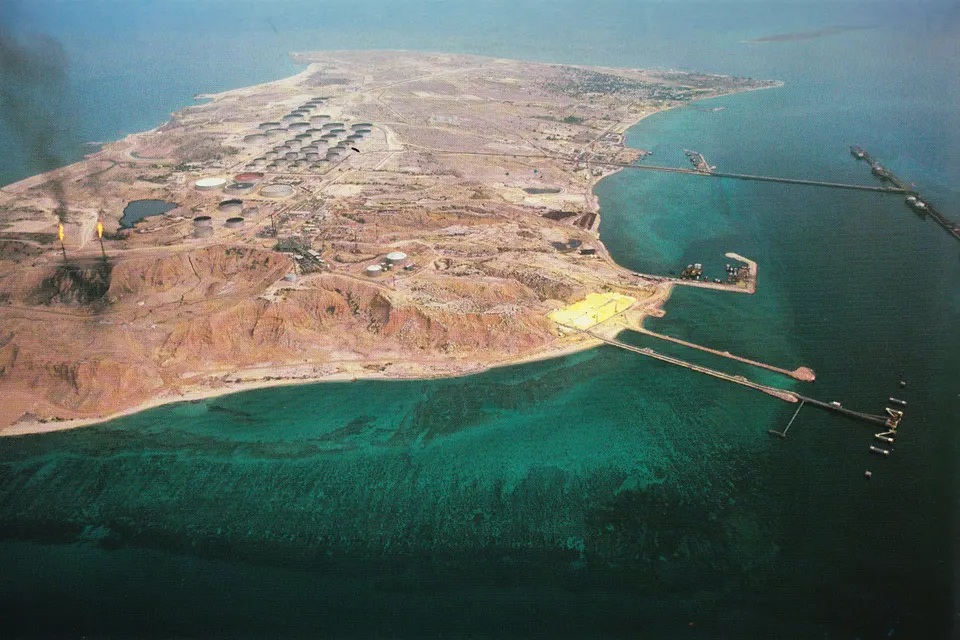
In a dramatic escalation of rhetoric, President Donald Trump has warned that the United States will hit Iran "VERY HARD, TONIGHT," specifically targeting the nation's critical energy infrastructure. In a series of statements that have sent shockwaves through global energy markets, Trump claimed that the U.S. would take control of Kharg Island, the strategic hub that handles approximately 90% of Iran’s crude oil exports. This move represents a shift from targeted military strikes to a direct threat against the economic lifeblood of the Iranian state, as both nations accuse each other of violating a nominal ceasefire that has struggled to hold over the past 48 hours.
The threat to Kharg Island is particularly significant because of its role as the primary terminal for Iranian oil. Seizing or destroying this facility would effectively decouple Iran from the global energy market and halt its primary source of hard currency. Trump’s assertion that most of Iran’s offensive capacity has already been destroyed suggests that the administration is preparing for a transition from containment to active economic and territorial suppression. Analysts warn that such an action would likely trigger a massive regional response, potentially involving the permanent closure of the Strait of Hormuz, which could send global oil prices into an unprecedented spiral.
Toman Breaches 180,000 Barrier Amid War Rhetoric
The Iranian currency market reacted with immediate volatility to the news of potential strikes on oil infrastructure. The USD rose from 178,800 to 180,550 Toman, marking a 1.0% increase within just 24 hours. This breach of the 180,000 psychological barrier reflects a growing sense of panic among domestic investors who are seeking refuge in hard assets. Gold prices followed a similar trajectory, with 18k gold moving from 17,782,907 to 17,846,622 Toman (+0.4%), while the Emami gold coin rose from 181,000,000 to 182,000,000 Toman (+0.6%).
This market movement is driven by the fear that a strike on Kharg Island would not only disrupt oil revenue but also lead to a complete breakdown in the supply of foreign exchange. When the president of the United States uses specific timing like "tonight," it triggers a rush for liquidity that traditional market interventions struggle to contain. For the average Iranian citizen, this translates to immediate inflationary pressure on imported goods and a further erosion of purchasing power. The premium on Tether (USDT) in the local market, currently sitting at 181,139 Toman, indicates that the digital asset market is pricing in even higher risks than the physical cash market.
Pentagon Security Incident and the AI Market Divergence
Adding to the atmosphere of global instability, several floors of the Pentagon were placed on lockdown on Thursday following a "hazardous materials" incident. A spokesperson for the building confirmed that air quality sensors detected an issue, prompting an immediate hazmat response. While the nature of the material has not yet been disclosed, the timing of the incident—occurring amidst heightened military tensions with Iran—has led to intense speculation. While it may be a technical malfunction, the psychological impact on Western markets has been palpable, contributing to a broader flight to safety among institutional investors.
In the technology sector, a significant debate over the future of AI infrastructure is causing a sharp divergence in stock performance. Oracle is currently enduring its worst market run in twenty-five years, as investors weigh a massive $95 billion spending plan against physical bottlenecks in data-center deliveries. Conversely, Micron’s stock has seen a healthy rebound, with analysts suggesting that the recent valuation reset was overdone. This contrast highlights a maturing AI market where investors are beginning to distinguish between companies that can effectively scale hardware and those struggling with the logistical realities of the AI boom. For global investors, the message is clear: the "AI gold rush" is entering a phase where execution and physical capacity are more important than theoretical potential.

Why This Matters for Your Portfolio
The convergence of geopolitical threats and infrastructure bottlenecks creates a unique risk profile for the coming days. The threat to Kharg Island is not just a military story; it is a fundamental shift in the global energy supply chain. If the U.S. follows through with a "hard strike" tonight, the immediate impact on the USD/IRR rate and global oil prices will be severe. Investors should be prepared for extreme volatility in the Toman and should monitor the 185,000 level as the next potential resistance point if the rhetoric continues to escalate.
Furthermore, the divergence in tech stocks like Oracle and Micron suggests that the broader equity market is becoming more discerning. In times of war and high interest rates, companies with heavy capital expenditure and delivery delays are being punished, while those with resilient supply chains are being rewarded. Maintaining a balanced portfolio that includes both hard assets like gold and resilient tech stocks may be the only way to navigate the current storm of geopolitical and economic uncertainty.
Frequently Asked Questions
Why is Kharg Island so critical to the current conflict?
What caused the Toman to breach the 180,000 level today?
Is the Pentagon lockdown related to the Iran situation?
Why is Oracle's stock falling while Micron's is rebounding?
Understanding Hyperinflation and Currency Devaluation: The Case of Iran's Toman
When a currency’s value drops dramatically against a stable foreign currency, households and businesses feel the pain instantly – prices soar, savings evaporate, and everyday transactions become a logistical nightmare. This phenomenon is known as hyperinflation, a situation where the inflation rate exceeds 50% per month. In Iran, the official exchange rate for the Iranian rial (now often quoted in toman, where 1 toman = 10 rials) has been forced past the 180,000‑to‑1 barrier against the U.S. dollar, a level that signals both severe devaluation and the onset of hyperinflationary pressures.
Hyperinflation typically arises from a mix of fiscal deficits, excessive money printing, and loss of confidence in the monetary authority. In Iran’s case, decades of sanctions have crippled oil revenues, the country’s primary source of foreign exchange. To cover budget gaps, the government has resorted to printing more rials, flooding the market with money that quickly loses purchasing power. As the supply of the domestic currency outpaces demand, its price in foreign exchange markets collapses, creating a vicious cycle: higher inflation drives people to spend money faster, which in turn fuels further price hikes.
The practical consequences for ordinary Iranians are stark. A loaf of bread that cost a few hundred tomans a year ago now costs tens of thousands, and salaries often lag behind price increases, eroding real wages. Businesses face uncertainty in pricing, inventory, and contract negotiations, while foreign investors become wary of entering a market where currency risk is extreme. The government may attempt to stabilize the situation through foreign exchange controls or by pegging an official rate, but such measures often coexist with a parallel market where the true market price – like the 180,000 barrier – is revealed.
Understanding hyperinflation helps explain why headlines about a “very hard” strike on Kharg Island or debates over AI stocks are juxtaposed with currency turmoil. The devaluation of the toman is not merely a financial footnote; it reshapes the entire economic landscape, influencing everything from export revenues to the political calculus of sanctions. For anyone following Iran’s economy, grasping the mechanics of hyperinflation is essential to interpreting both domestic policy moves and international reactions.