Trump Threatens 'Very Hard' Iran Attack; Samsung Probe, China Crude Hunt
تهدید ترامپ به حمله 'بسیار سخت' به ایران؛ تحقیقات سامسونگ و جستجوی چین برای نفت
President Trump escalates rhetoric, threatening severe attacks on Iran and seizure of oil infrastructure. Meanwhile, a major Chinese refiner sanctioned over Iranian crude is seeking alternative supplies, while Samsung faces an insider-trading probe, impacting global markets.
At time of publishing
USD
180,200
Toman
Gold 18K
17.79M
Toman / gram
Bitcoin
$62,709
US Dollar
Tether
180,497
Toman
Trump Escalates Rhetoric, Threatens 'Very Hard' Attack on Iran and Kharg Island Seizure
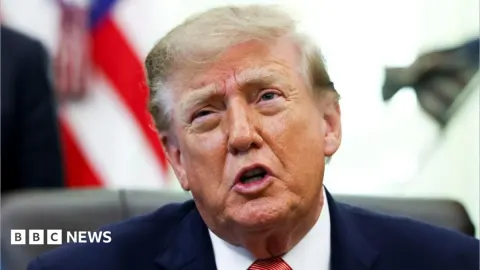
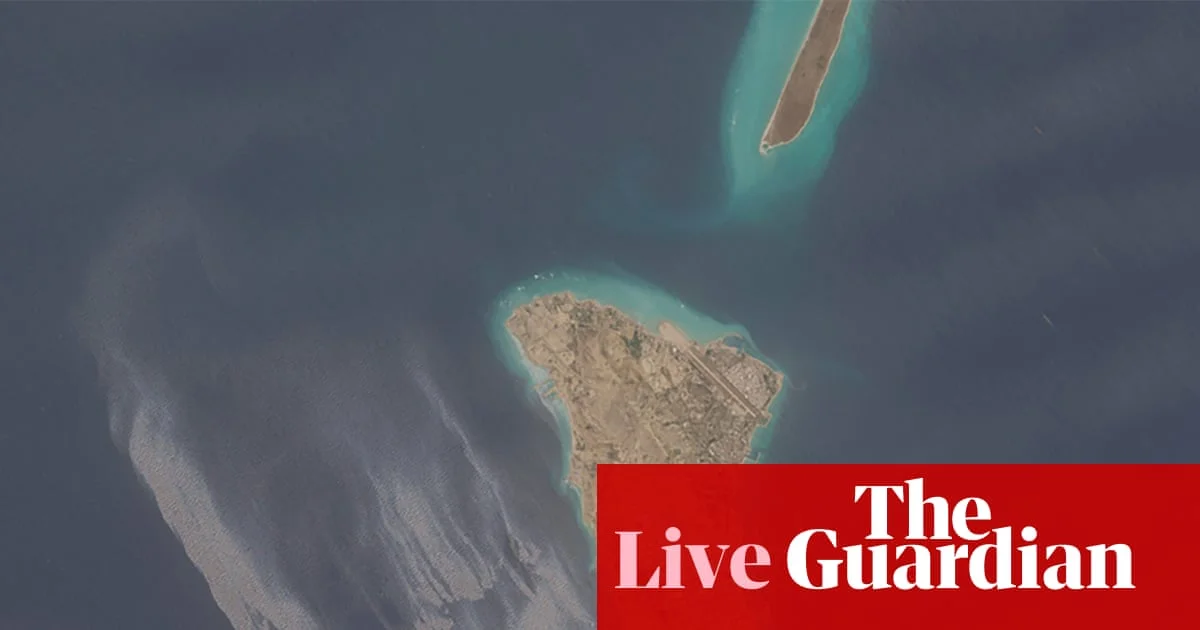
President Trump has dramatically escalated his rhetoric regarding Iran, stating in recent comments that the US will be hitting Iran "VERY HARD TONIGHT" and that the nation's defenses are "GONE!". He further declared intentions to "take Kharg Island, and other oil infrastructure points, and assume total control of their Oil and Gas Markets" in the near future, drawing a parallel to the situation in Venezuela. This aggressive posturing comes amidst ongoing US strikes on Iran, with Trump claiming the US "dropped $250m worth of bombs on them last night" but asserting that Iran is "in submission, they just don't know it yet."
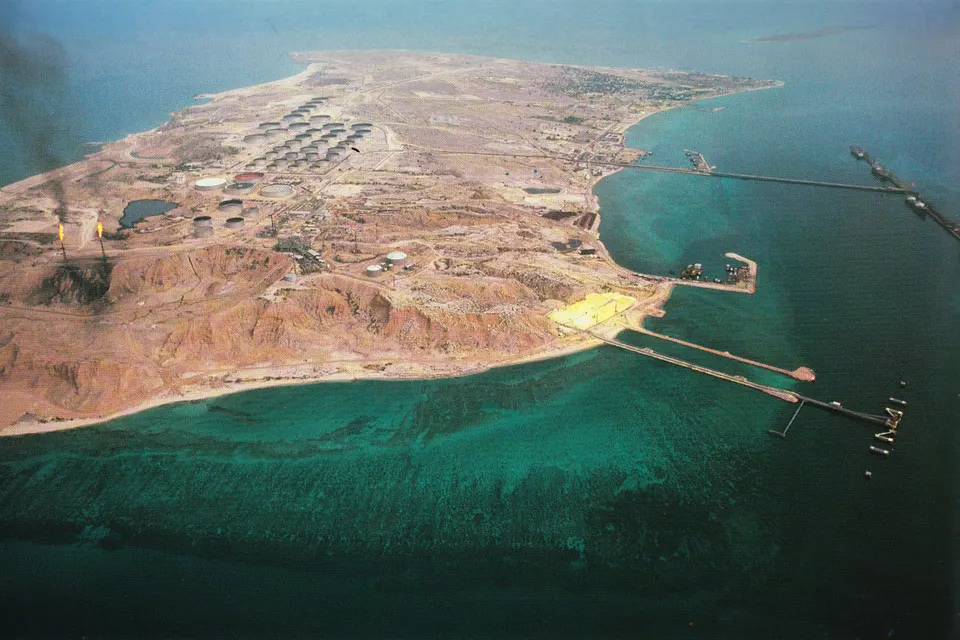
This heightened verbal assault, coupled with continued military action, signals a significant deepening of the Middle East crisis. The direct threat to Iran's critical oil infrastructure, particularly Kharg Island which serves as a primary export hub, has profound implications. Such a move would not only cripple Iran's economy but also send shockwaves through global energy markets, potentially leading to extreme price volatility and supply disruptions. The mention of taking "total control" of oil markets suggests a broader geopolitical strategy aimed at reshaping regional energy dynamics, with significant consequences for international trade and security.
---
Sanctioned Chinese Refiner Hunts for Non-Iranian Crude Amidst Market Pressure
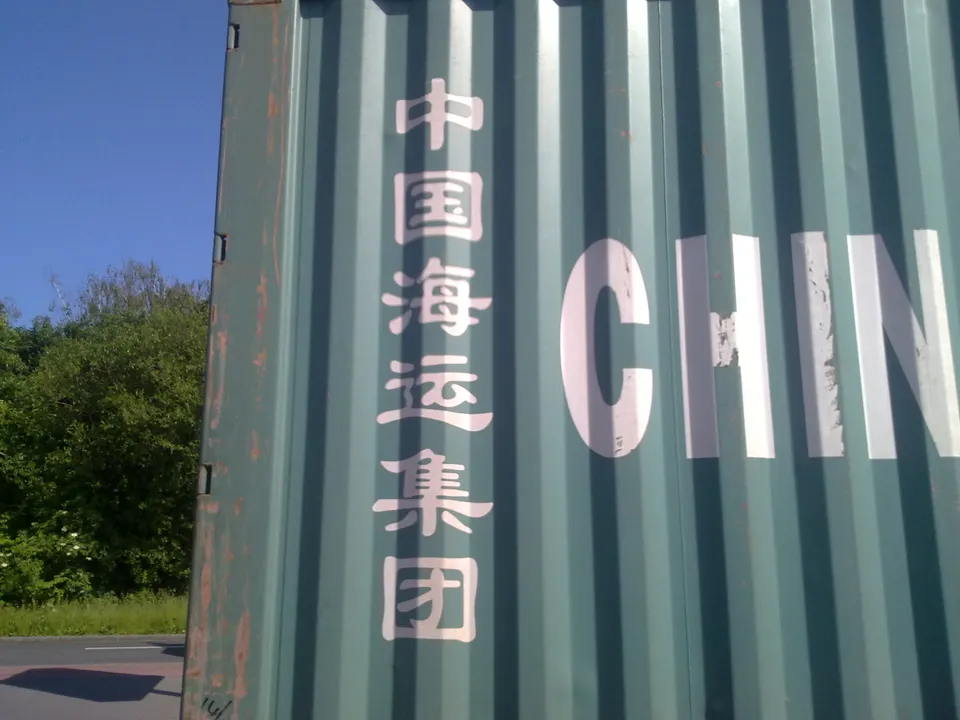
Hengli Petrochemical, a major Chinese private refiner that was sanctioned by the U.S. in April for allegedly purchasing Iranian oil, is now actively seeking crude supplies from alternative sources in the Middle East and West Africa. This development, reported by Reuters and citing trade sources, indicates that the sanctions are having a tangible impact on China's energy procurement strategies, forcing a pivot away from Iranian supplies despite potential cost advantages. Hengli operates a significant refinery in Dalian with a capacity of 400,000 barrels per day, making its sourcing decisions critical for regional and global oil flows.
The implications of this shift are twofold. Firstly, it highlights the effectiveness of U.S. sanctions in pressuring international entities to comply, even at the cost of potentially more expensive or logistically complex alternatives. Secondly, it suggests a potential tightening of the global crude market, as a large buyer like Hengli diversifies its portfolio. This could lead to increased competition for non-Iranian crudes, potentially driving up prices for other Middle Eastern and African grades, and indirectly impacting refinery economics worldwide. For Iran, this means further isolation from a key buyer, exacerbating the economic pressure it faces.
---
Samsung Faces Insider-Trading Probe, Rattling Global Chip Market Sentiment
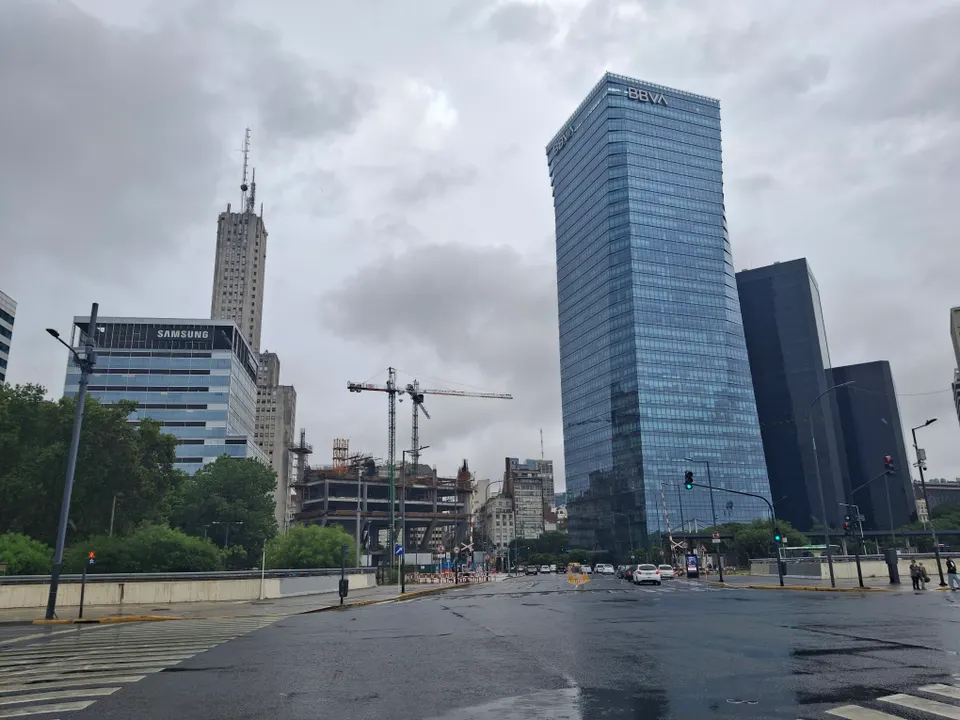
Samsung shares, which have seen a remarkable surge of 150% this year driven by retail investor speculation on memory chip demand, are now under scrutiny due to an insider-trading probe. This news injects a dose of uncertainty into what has been a red-hot stock, potentially impacting investor confidence and the broader semiconductor market. The rally in Samsung shares has been fueled by expectations of a sustained imbalance between supply and demand in the memory chip sector, a trend that underpins much of the current tech market optimism.
The investigation into insider trading at Samsung, a bellwether for the global technology sector, could have far-reaching consequences. If confirmed, it would not only tarnish the company's reputation but also raise concerns about market integrity and regulatory oversight. For investors, particularly those in Korea's active retail market, this probe serves as a stark reminder of the risks involved in speculative trading, even in seemingly robust sectors. The outcome could influence trading strategies, potentially leading to increased caution and a reassessment of valuations across the semiconductor industry, impacting everything from component suppliers to end-product manufacturers.
---
Supreme Court Opinions Due Amidst Broader Geopolitical Uncertainty
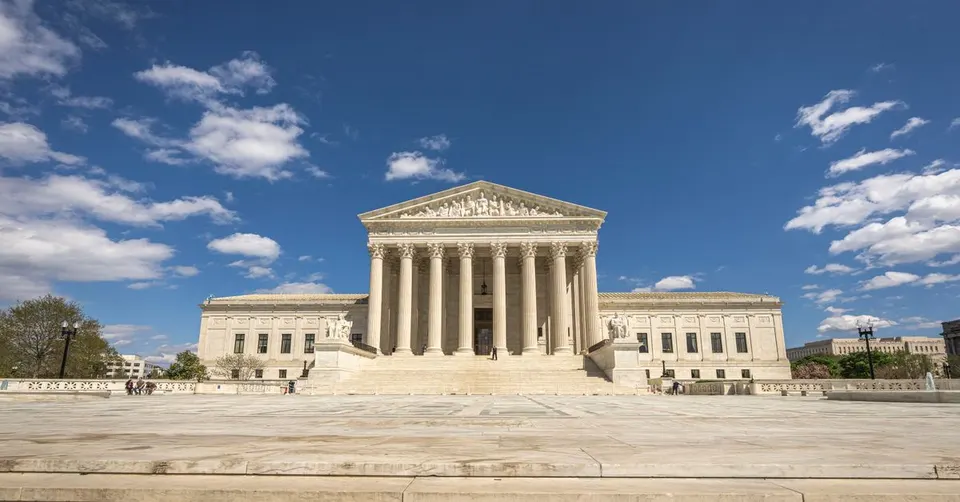
The US Supreme Court is set to release a new batch of opinions today, adding a layer of domestic legal anticipation to an already tense global environment. While the specific cases are not detailed in the provided context, the release of opinions from the highest court in the land always carries significant weight, potentially impacting various sectors of the economy and society. This domestic legal development occurs against a backdrop of escalating international tensions, particularly in the Middle East, creating a complex risk landscape for markets and policymakers alike.
The timing of these releases, amidst President Trump's aggressive pronouncements and ongoing military actions in the Middle East, underscores the interconnectedness of geopolitical, economic, and legal spheres. Markets often react to major legal decisions, just as they do to geopolitical shocks. The uncertainty surrounding both the Supreme Court's rulings and the escalating conflict creates a challenging environment for investment and economic planning. For Iranian readers, this dual focus on domestic US legal developments and escalating international conflict highlights the multifaceted nature of global pressures impacting their region and economy, from potential sanctions to shifts in international relations.
Frequently Asked Questions
What specific threats did President Trump make against Iran?
Why is Hengli Petrochemical seeking non-Iranian crude?
What is the impact of the insider-trading probe on Samsung?
How do these global events connect to the Iranian economy?
What is the significance of the US Supreme Court releasing opinions during this time?
Understanding the Geopolitical Risk Premium in Oil Markets
The news headline highlights a critical concept for understanding global economics: the Geopolitical Risk Premium in Oil Markets. This refers to the additional cost built into the price of crude oil due to actual or perceived political instability, conflict, or tensions in major oil-producing or transit regions. When events like military threats or regional crises unfold, even if no immediate supply disruption occurs, traders and investors factor in the potential for future disruptions, leading to higher prices.
This premium reflects the market's assessment of uncertainty. For instance, threats to key infrastructure like Iran's Kharg Island, a vital oil export terminal, or disruptions to crucial shipping lanes like the Strait of Hormuz, immediately raise concerns about global oil supply. Even the fear of such events can trigger speculative buying and hedging, pushing prices upward. This isn't just about current supply and demand fundamentals; it's about the psychological and anticipatory elements of the market reacting to geopolitical developments.
The implications of a geopolitical risk premium are far-reaching. Higher oil prices translate to increased costs for transportation, manufacturing, and energy across the globe, potentially fueling inflation and dampening economic growth. For oil-importing nations, it can strain trade balances and reduce consumer purchasing power. Conversely, oil-exporting nations might see a temporary boost in revenues. Understanding this dynamic is crucial for policymakers, businesses, and consumers alike, as it dictates how global events can directly impact our daily lives and economic stability.