UK GDP Shrinks Amid Hormuz Crisis as Tehran Denies Trump’s Claims of a 'Great Settlement'
کاهش رشد اقتصادی بریتانیا تحت تأثیر بحران هرمز؛ تهران ادعای «توافق بزرگ» ترامپ را تکذیب کرد
The UK economy contracted by 0.1% in April as the Iran conflict drove energy prices higher, while Tehran officially denied Donald Trump's claims that a peace deal is imminent.
At time of publishing
USD
178,900
Toman
Gold 18K
18.07M
Toman / gram
Bitcoin
$62,944
US Dollar
Tether
175,790
Toman
The 'War Tax' Hits Global Growth: UK Economy Contracts
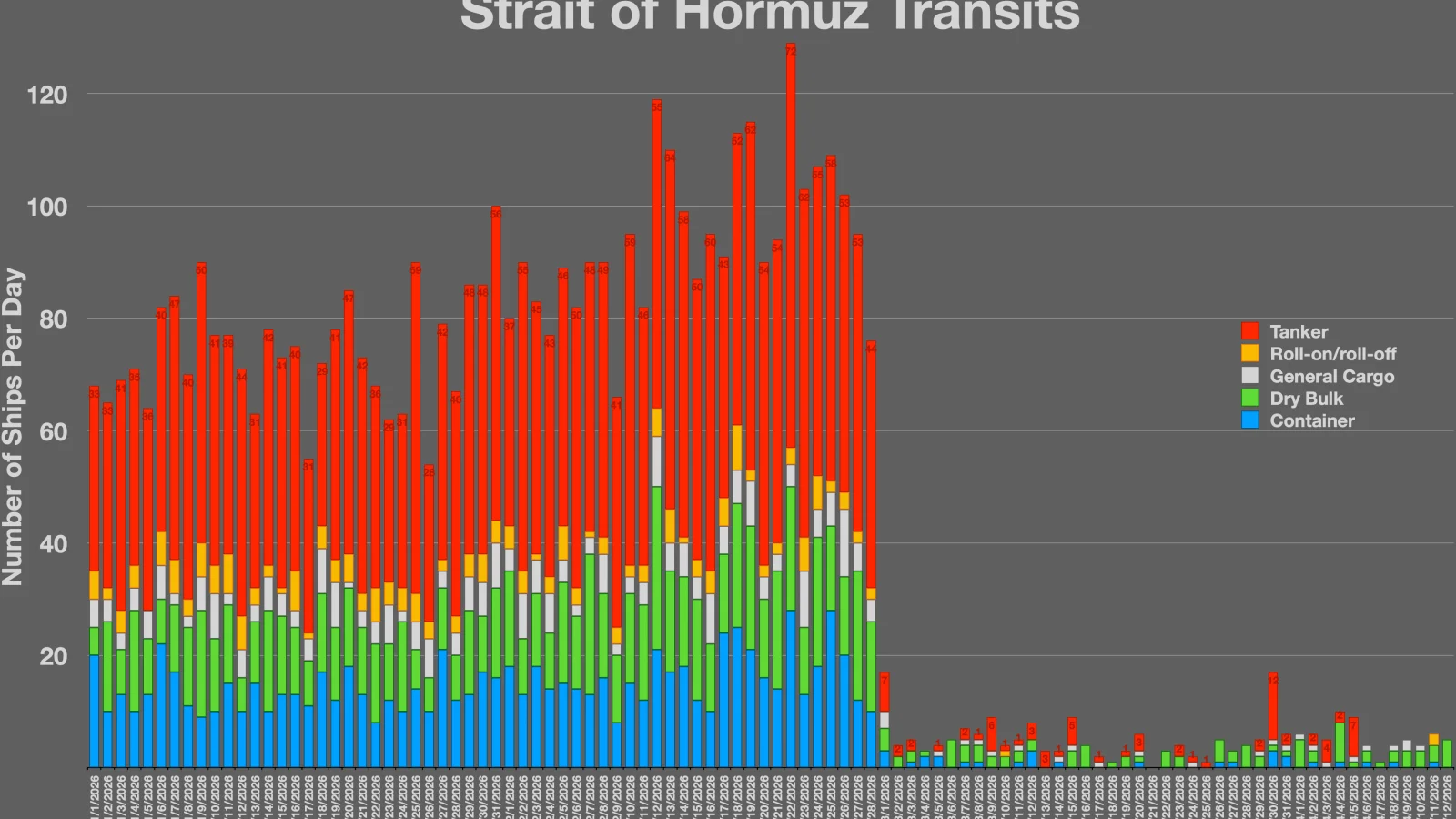
The UK economy has officially begun to feel the weight of the Middle East conflict, with GDP shrinking by 0.1% in April. This contraction comes as a sharp reversal from the robust 3% growth seen in March, highlighting how quickly geopolitical instability can derail economic recovery. The primary driver behind this slump is the surge in energy costs, a direct consequence of the closure of the Strait of Hormuz. As one of the world's most vital shipping arteries remains choked, the cost of transporting goods and the price of fuel have created a 'war tax' that is now being passed down to British businesses and consumers alike.
For the Iranian observer, this economic signal is crucial. It demonstrates that the current regional tension is no longer a localized affair but a global economic burden. When major economies like the UK begin to contract, it often leads to increased international pressure for a resolution, yet it also risks a global recessionary environment that could further complicate trade and sanctions relief. The Office for National Statistics noted that while the first quarter of 2026 was strong, the sudden halt in April suggests that the global supply chain is far more fragile than previously estimated in the face of a prolonged Middle East crisis.
Geopolitical Whiplash: Trump’s Claims vs. Tehran’s Reality
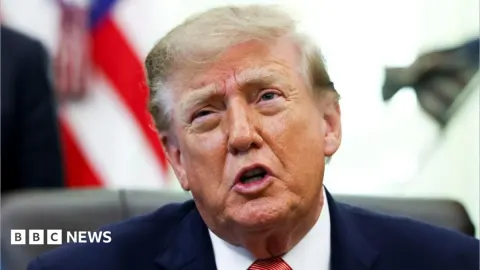
In a series of high-stakes social media posts, US President Donald Trump claimed that a "great settlement" has been reached with Iran, involving a coalition of regional powers including Israel, Saudi Arabia, and Turkey. Trump went as far as to say he was canceling a third day of planned airstrikes because discussions had reached the "highest level of Iranian leadership." However, the optimism was short-lived as Tehran’s foreign ministry issued a stern contradiction. An Iranian spokesperson clarified that while discussions have occurred, no final conclusion or peace agreement has been reached, describing the US claims as premature and potentially tactical.
This gap between Washington’s rhetoric and Tehran’s official stance has created a state of geopolitical whiplash. While Trump is framing the situation as a massive diplomatic victory to his domestic audience, the reality on the ground remains tense. Israel has also distanced itself from the supposed deal, with Prime Minister Benjamin Netanyahu’s office stating they are not a party to the current framework. For markets, this uncertainty is a double-edged sword; it offers a glimmer of hope for de-escalation while simultaneously raising fears that a breakdown in these unconfirmed talks could lead to an even more violent escalation.
Market Reaction: Bitcoin Rallies on Hope While Gold Retreats
Financial markets are currently trading on the rumors of peace rather than the denials of conflict. Bitcoin has crept up to the $62,944 mark, holding steady above the $63,000 resistance level in earlier trading as investors bet on a diplomatic breakthrough. The crypto market, often a sensitive barometer for geopolitical risk, is pricing in a 'peace premium,' moving away from safe-haven assets as the prospect of a deal—however unconfirmed—lures capital back into riskier positions. The SPCX perpetual on Hyperliquid, tracking SpaceX’s shadow valuation, has also seen a bounce, pointing toward a $2.4 trillion valuation as market sentiment shifts toward optimism.
In the domestic Iranian market, the reaction has been more measured but notable. Gold 18k per gram saw a slight decrease of 0.7%, moving from 18,189,667 to 18,066,623 Toman. This suggests that local investors are cautiously unwinding some of their hedges against immediate war. However, the USD/IRR rate remains fixed at 178,900 Toman, showing 0.0% change over the last 24 hours. This stagnation in the currency market indicates that professional traders are waiting for concrete evidence of a signed treaty before they commit to a significant sell-off of hard currency. The divergence between the global crypto rally and the local currency's 'wait-and-see' approach reflects the deep skepticism rooted in years of failed diplomatic efforts.

Global Policy Shifts: From London's Air to Australia's Interest Rates
While the world's eyes are fixed on the Middle East, other significant economic and social shifts are occurring. In Australia, three major banks have adjusted their forecasts, now predicting that interest rates will begin to fall next year. This move is a response to cooling domestic demand and a need to support growth as the global economy faces the headwinds of the Iran-UK trade slowdown. It signals a broader shift in central bank thinking, moving away from the aggressive inflation-fighting stance of 2025 toward a more protective, growth-oriented policy for 2027.
Meanwhile, a study from Imperial College London has provided a rare piece of positive news, suggesting that emergency hospital admissions fell significantly following the expansion of low-emission zones (Ulez). This highlights a growing trend where domestic policy focuses on long-term public health and infrastructure, even as geopolitical crises dominate the headlines. For the global reader, these stories serve as a reminder that the world continues to move forward on climate and monetary policy, creating a complex landscape where local health and global finance are increasingly intertwined with the price of oil and the stability of the Persian Gulf.
Frequently Asked Questions
Why is the UK economy shrinking if the war is in the Middle East?
Did Iran and the US actually sign a peace treaty?
How did the Iranian gold market react to the peace rumors?
The Strait of Hormuz: Why This Narrow Waterway Holds Global Energy Markets Hostage
The Strait of Hormuz, a 21‑mile (34 km) narrow passage between Iran and the United Arab Emirates, is one of the world’s most critical maritime chokepoints. Roughly 20% of global oil consumption and about 30% of the world’s total petroleum liquids pass through it each day. Because the strait links the Persian Gulf’s massive oil‑producing fields – especially Saudi Arabia, Iraq, Kuwait and the United Arab Emirates – to the open ocean, any disruption instantly reverberates through oil prices, exchange rates, and even unrelated economies such as the United Kingdom’s GDP.
When geopolitical tension spikes – for example, during the 2026 Hormuz crisis sparked by competing narratives from Tehran and Washington – shipping companies may reroute vessels around the longer, more expensive Cape of Good Hope. That extra distance adds fuel costs, increases transit time, and can push the price of Brent crude up by several dollars per barrel. The ripple effect reaches financial markets: higher oil prices boost the revenue of oil‑exporting nations while raising input costs for import‑dependent economies, which can depress consumer spending and shrink GDP, as seen in the UK’s April 2026 data.
The strait’s vulnerability also fuels strategic maneuvers in other asset classes. Investors often turn to “safe‑haven” assets like the U.S. dollar and gold, and increasingly to cryptocurrencies such as Bitcoin, which can experience price spikes during energy‑price shocks. Moreover, the USD/IRR exchange rate can swing sharply as Iran’s oil revenues are constrained, affecting the country’s ability to import goods and service foreign debt. Central banks, like the Reserve Bank of Australia, monitor these developments closely because higher oil prices can feed into inflation, influencing interest‑rate forecasts.
Understanding the Hormuz chokepoint helps explain why a regional dispute can have outsized global economic consequences. It illustrates the interconnectedness of geopolitics, energy logistics, and macroeconomic indicators, reminding policymakers and investors that a narrow waterway can dictate the pace of the world’s economic engine.
For deeper insight, explore the references below which cover the strait’s geography, its role in global oil trade, and the economic fallout from past disruptions.