Trump’s 'Great Deal' Claims vs. Tehran’s Caution: A Morning of Geopolitical Whiplash
ادعای ترامپ درباره «توافق بزرگ» و پاسخ محتاطانه تهران: صبحی پر از تلاطمهای ژئوپلیتیک
President Trump claims a major breakthrough in Iran negotiations after canceling planned strikes, while Tehran remains skeptical. Meanwhile, SpaceX prepares for a historic IPO and oil's long-term outlook dims.
At time of publishing
USD
178,900
Toman
Gold 18K
18.19M
Toman / gram
Bitcoin
$63,299
US Dollar
Tether
176,500
Toman
Market Open — Friday, June 12, 2026
Good morning from the Arzbin desk. The domestic market opened this morning with a sense of cautious stability despite the massive headlines crossing the wires overnight. The US Dollar (USD/IRR) is currently trading at a sell rate of 178,900 Toman, showing a 0.0% change over the last 24 hours. This stagnation suggests that local traders are in a 'wait-and-see' mode, processing the conflicting reports coming out of Washington and Tehran.
In the gold market, 18k gold is holding at 18,189,667 Toman per gram, mirroring the currency's flat trajectory. However, the global scene is far more active; Bitcoin has climbed back to $63,299, gaining ground as the threat of immediate military escalation in the Middle East appears to have receded. For the Iranian reader, this morning is less about price movement and more about the fundamental shifts in the geopolitical landscape that will dictate the next leg of the Toman's journey.
Trump Claims Peace is Near; Tehran Calls it 'Speculative'
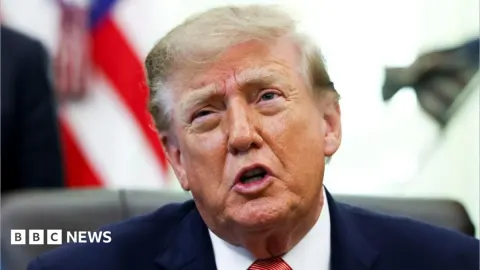
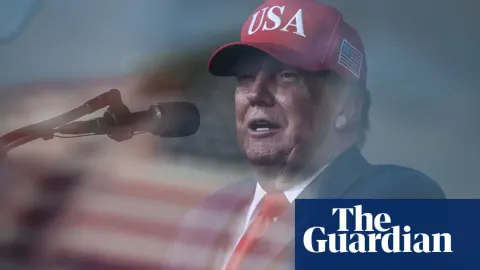
In a dramatic turn of events over the last 12 hours, President Trump has claimed that a "great settlement" to end the ongoing conflict with Iran is within reach. This announcement comes immediately after he reportedly canceled a scheduled wave of airstrikes, following two days of U.S. kinetic activity in the region. Trump’s rhetoric suggests a rapid pivot from military escalation to diplomatic triumph, a move many analysts view as an attempt to stabilize global markets and secure a legacy-defining deal before the political clock runs out.
However, the view from Tehran is significantly more guarded. Iranian officials have dismissed the reports of a finalized deal as "speculative," stating that nothing has been formally concluded. Adding to the tension, the Islamic Revolution Guard Corps (IRGC) issued a stern statement this morning, asserting that Iran is "stronger than ever" and has its "fingers on the trigger" for a decisive response to any further aggression. This disconnect between Washington’s optimism and Tehran’s defiance creates a volatile environment for risk assets.

For the financially aware, this means the risk premium on the Toman hasn't evaporated just yet. While the cancellation of strikes provided a temporary sigh of relief for global oil and crypto markets, the fundamental lack of a signed agreement means that volatility could return the moment a headline turns sour. We are watching the 178,000 level for USD/IRR closely; a confirmed diplomatic breakthrough could see this floor tested, while any return to threats could push it toward new psychological highs.
SpaceX Set for Historic IPO: Musk Nears Trillionaire Status
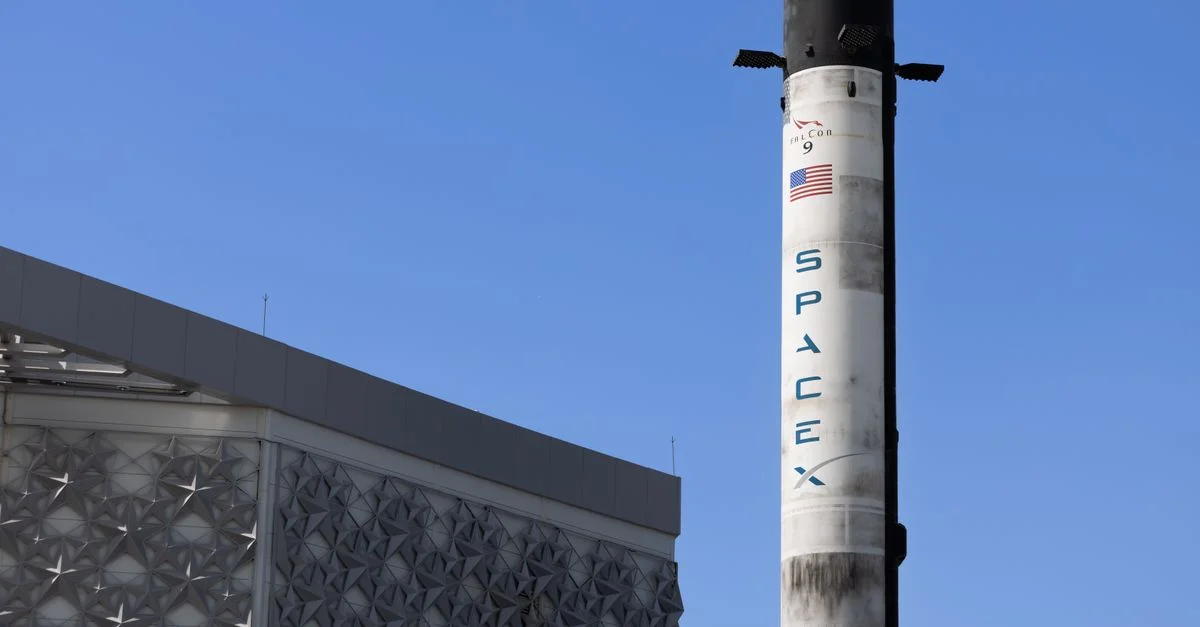
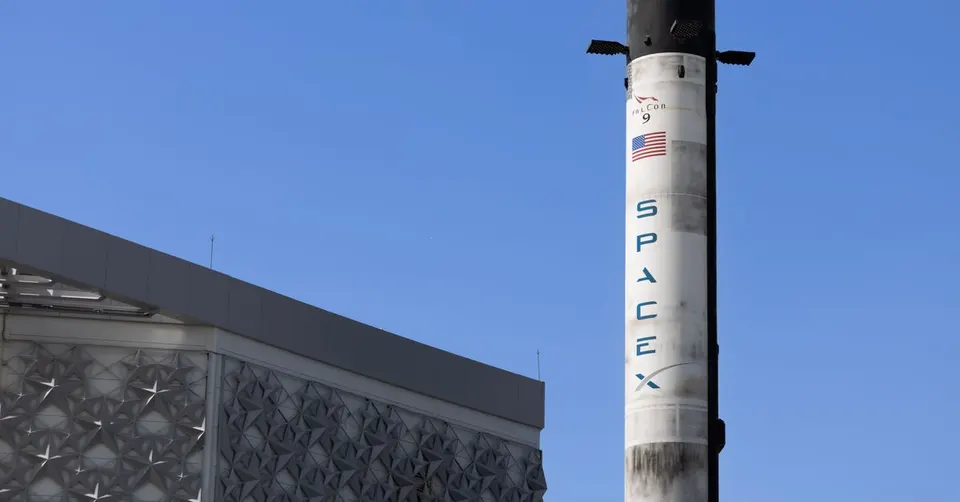
In the world of high finance, Elon Musk’s SpaceX is poised to make history today. The space exploration giant is set to begin trading on Wall Street with an initial public offering (IPO) of over 555 million shares priced at $135 each. This move is not just a corporate milestone; it is expected to catapult SpaceX into the top 10 largest companies on Wall Street by market capitalization and officially make Elon Musk the world’s first trillionaire.
The timing of the IPO is strategic, capitalizing on a surge in investor appetite for private-sector space dominance and satellite internet expansion. For global markets, this IPO represents a massive liquidity event. It signals that despite geopolitical tensions in the Middle East, the appetite for high-growth tech and frontier industries remains insatiable. Institutional investors are expected to flock to the stock, potentially draining liquidity from other sectors as they rebalance their portfolios to include the first true 'trillion-dollar' individual-led enterprise.
What this means for the average investor is a shift in market sentiment toward 'risk-on' assets. When the world’s most valuable private company goes public and its founder hits a historic wealth milestone, it often triggers a broader rally in tech and innovation stocks. For those holding crypto or tech-heavy portfolios, the SpaceX IPO could serve as a rising tide that lifts all boats, providing a buffer against the macro-economic uncertainty caused by fluctuating oil prices and regional conflicts.
Goldman Sachs Slashes 2027 Oil Outlook as China Goes Electric
Goldman Sachs has sent a ripple through the energy sector by revising its 2027 oil price estimate downward to $80 per barrel. The investment bank cited two primary drivers: a significant ramp-up in production from non-OPEC producers and a faster-than-expected transition in China toward electric vehicles (EVs). Analysts at the bank noted that over 10% of the recent demand weakness is likely permanent, as the world’s second-largest economy aggressively diversifies away from fossil fuels.
This long-term bearish outlook on oil is a critical signal for the Iranian economy, which remains heavily dependent on energy exports. If oil prices are capped at $80 even three years out, the fiscal space for oil-exporting nations will shrink, necessitating more disciplined monetary policy or a more aggressive push for non-oil revenue. The acceleration of the EV market in China is no longer just an environmental story; it is a structural shift in global capital flows that will redefine the value of the 'petrodollar' and the currencies of oil-producing states.
For the local reader, this reinforces the importance of diversification. As the world moves away from oil, the traditional correlation between crude prices and the strength of regional currencies may weaken. Investors should look toward assets that are decoupled from the carbon economy—such as digital assets or tech-focused equities—as the 'black gold' era begins its long, slow descent into a more competitive and diversified energy landscape.
Frequently Asked Questions
Why is the USD/IRR price stable despite the news of a potential deal?
What makes the SpaceX IPO significant for global finance?
How does China's EV shift affect the Iranian economy?
Geopolitical Risk Premium in Global Oil Markets
When investors price a barrel of oil, they don’t just look at supply‑and‑demand fundamentals; they also embed a geopolitical risk premium—an extra amount of expected return that compensates for the uncertainty created by political events. Wars, sanctions, diplomatic breakthroughs, or even rhetoric from leaders such as former President Donald Trump can trigger sudden shifts in production, transport routes, or market sentiment, prompting traders to demand higher prices to hedge against possible supply shocks.
The Iran nuclear‑deal negotiations are a textbook example. If sanctions are tightened, Iran’s oil exports could be curtailed, tightening global supply and pushing up futures prices. Conversely, a diplomatic breakthrough that lifts sanctions would flood the market with additional barrels, pulling prices down. Analysts at Goldman Sachs routinely factor such scenarios into their forecasts, adding a risk premium that can swing forecasts by several dollars per barrel.
Geopolitical risk doesn’t stay confined to oil; it ripples through related assets. A sharp rise in oil prices can weaken currencies of oil‑importing nations, such as the Iranian rial (USD/IRR), while bolstering the revenues of oil‑exporting economies. Investors may also turn to alternative stores of value—like Bitcoin—when traditional markets feel unstable, explaining the recent price recovery of the cryptocurrency during periods of heightened tension.
China’s rapid adoption of electric vehicles (EVs) adds another layer. As China reduces its reliance on oil‑based transport, global oil demand forecasts are adjusted, but the transition is uneven and vulnerable to policy shifts. Any geopolitical shock that disrupts China’s EV supply chain or its energy mix can re‑inject uncertainty, prompting a fresh risk premium in oil pricing.
Understanding the geopolitical risk premium helps traders, policymakers, and ordinary citizens see why oil prices can swing dramatically even when physical supply and demand appear stable. It also highlights why seemingly unrelated events—like a SpaceX IPO or Elon Musk’s wealth milestones—can indirectly affect markets, as capital flows shift in response to perceived safety and return prospects.