UFO Disclosure, White House Cage Fights, and the Fragile US-Iran Peace Dance
افشای اسناد یوفو، قفس مبارزه در کاخ سفید و رقص لرزان صلح میان ایران و آمریکا
The Pentagon releases a new batch of UFO files as Trump wins a legal battle to host a UFC event at the White House. Meanwhile, conflicting reports on a US-Iran peace deal send the Toman 2.4% higher against the dollar.
At time of publishing
USD
174,600
Toman
Gold 18K
17.94M
Toman / gram
Bitcoin
$63,690
US Dollar
Tether
173,815
Toman
The Pentagon’s Latest UFO Disclosure: Transparency or Distraction?
Friday’s release of more than 50 previously classified files by the Pentagon has reignited the global debate over Unidentified Aerial Phenomena (UAPs). The documents, which include a notable sighting over a busy southern African airport and reports of glowing orbs in American airspace, stop short of confirming extraterrestrial life. Instead, the Department of Defense maintains a neutral stance, framing the release as a commitment to transparency. While the files lack the "smoking gun" many enthusiasts hoped for, they highlight a growing institutional pressure to account for anomalous radar signatures and pilot testimonies that have historically been dismissed as imagination.
Beyond the sensationalism of alien life, this disclosure serves a strategic purpose in the current geopolitical climate. By declassifying these incidents, the US government is attempting to standardize reporting and reduce the stigma associated with UAP sightings, which often mask advanced drone technology from foreign adversaries. For the public, however, the timing is curious. Releasing these files amidst a chaotic week of domestic politics and shifting foreign policy leads some analysts to view it as a calculated move to manage the news cycle, providing a high-interest distraction while more sensitive diplomatic maneuvers occur behind the scenes.
The US-Iran Peace Deal: A Rollercoaster of Conflicting Claims
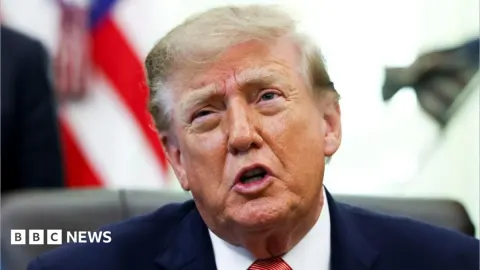
Negotiations between Tehran and Washington have reached a fever pitch, characterized by a dizzying array of contradictory statements. While Pakistani officials have suggested that a "final text" for a peace deal has been agreed upon, Donald Trump has taken to social media to push back against the optimism. The US President described Iranian negotiators as "dishonorable," appearing to distance himself from earlier suggestions that a deal could be signed this weekend. This "Trump rollercoaster" has kept global markets on edge, as traders attempt to price in the possibility of a historic de-escalation against the backdrop of sudden, aggressive rhetoric.
Pakistan’s foreign ministry remains the most optimistic voice in the room, claiming that only the final logistics remain to be settled. For Iranian citizens and investors, the stakes are reflected directly in the currency markets. Despite the conflicting rhetoric, the USD in Tehran moved from 178,900 to 174,600 Toman, marking a -2.4% decrease in 24 hours. This suggests that the market is currently betting on a positive outcome, or at least a significant easing of sanctions, despite the public posturing of the leaders involved. The volatility underscores how sensitive the Iranian economy remains to every word uttered in Washington and Islamabad.
UFC at the White House: A Legal Win for Trump’s Spectacle
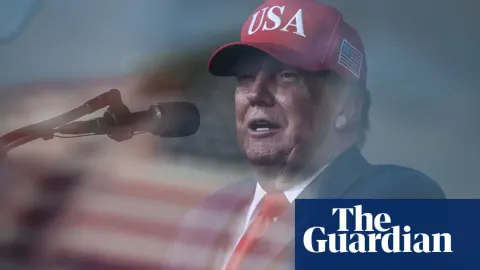
In a legal victory that blurs the lines between governance and entertainment, a federal judge has ruled that the Trump administration can proceed with hosting a UFC event on the White House grounds. The event, titled 'UFC Freedom 250,' was challenged by Virginia residents and political critics who argued that using the executive mansion for a mixed martial arts spectacle exceeded presidential authority. The judge’s refusal to block the event sets a precedent for the use of federal property for commercial and promotional purposes, further solidifying Trump’s image as a disruptor of traditional political norms.
Virginia residents had argued that the security and logistical requirements for such an event would cause undue disruption and represented a misuse of taxpayer-funded resources. However, the ruling emphasizes the broad discretion the executive branch holds over the management of the White House complex. For the broader public, this event is more than just a fight; it is a symbol of the administration's "freedom-first" branding. It also serves as a potent campaign tool, drawing massive media attention and appealing to a specific demographic of voters who celebrate the rejection of "stuffy" presidential traditions in favor of populist spectacle.
Landmark Verdicts and Secular Tides: From Louisiana to Spain
Across the Atlantic, Pope Leo XIV’s visit to Spain concluded this Friday with Catholic leaders hoping for a spiritual revival in an increasingly secular nation. Spain has seen a significant shift away from traditional religious adherence, and the Pope’s visit was designed to stem this tide. While the trip spurred expectations of a revival, the reality on the ground reflects a European continent that is moving further toward secularism, even in its historical Catholic heartlands. This cultural shift has profound implications for European politics, as traditional religious values clash with modern social policies.
Simultaneously, a landmark legal verdict in Louisiana has sent shockwaves through the American legal system. A jury awarded a staggering $1.1 billion to Pamela Elaine Lockridge, who sued over childhood molestation that occurred in the 1960s. This was made possible by the state’s "lookback law," which allows victims of decades-old abuse to seek justice. The size of the award is intended to send a clear message about the protection of children, but it also raises questions about the financial viability of institutions—religious or otherwise—that may face similar historic claims. This verdict highlights a shifting legal landscape where the statute of limitations is no longer an absolute shield for past misconduct.

Frequently Asked Questions
Why is the Toman strengthening despite Trump's negative comments?
What did the new Pentagon UFO files actually reveal?
Is the UFC event at the White House legal?
How did the gold market react to the geopolitical news?
Understanding the Joint Comprehensive Plan of Action (JCPOA)
The Joint Comprehensive Plan of Action (JCPOA), commonly known as the Iran nuclear deal, was signed in 2015 between Iran and the P5+1 (the United States, United Kingdom, France, Germany, Russia, and China). The agreement placed strict limits on Iran’s uranium enrichment and nuclear facilities in exchange for the lifting of international sanctions. By capping the number of centrifuges, restricting the level of enriched uranium, and allowing rigorous inspections, the JCPOA aimed to extend Iran’s “breakout time” – the period needed to acquire enough fissile material for a nuclear weapon – to at least one year.
Economically, the sanctions relief unlocked under the JCPOA had an immediate impact on Iran’s currency and trade. The removal of oil and financial sanctions allowed Iran to resume oil exports, attract foreign investment, and access the global banking system, which temporarily strengthened the rial against the dollar. However, the U.S. withdrawal from the deal in 2018 and the re‑imposition of sanctions caused a sharp devaluation of the rial and a surge in the unofficial Toman exchange rate, illustrating how diplomatic agreements directly affect exchange rates and inflation.
The JCPOA also plays a central role in broader regional stability. By providing a diplomatic framework, it reduced the risk of military confrontation between the United States and Iran and opened channels for dialogue on other issues, such as the security of the Strait of Hormuz and the situation in Iraq and Syria. Recent talks, mediated by European and regional actors, aim to revive the deal, showing that the agreement remains a cornerstone of any lasting US‑Iran peace architecture.
Understanding the JCPOA helps explain why headlines about “US‑Iran peace deals,” currency fluctuations, and even unrelated topics like space launches or legal verdicts often reference the broader geopolitical and economic context set by this agreement. The deal’s future will continue to shape sanctions policy, oil markets, and the everyday lives of Iranians dealing with a volatile exchange rate.