Iran Makes History in LA: World Cup Match Amid War While Tehran Guards Hormuz Red Line
تقابل تاریخی در لسآنجلس؛ بازی تیم ملی در خاک «دشمن» و خط قرمز تهران در تنگه هرمز
As the Iranian national team prepares to face New Zealand in Los Angeles under a state of war with the host nation, Tehran issues a stern warning regarding the Strait of Hormuz. Meanwhile, markets react with a 1.3% drop in USD prices as traders weigh the possibility of a diplomatic breakthrough.
At time of publishing
USD
176,500
Toman
Gold 18K
17.93M
Toman / gram
Bitcoin
$63,241
US Dollar
Tether
175,320
Toman
A World Cup Like No Other: War and Football in Los Angeles
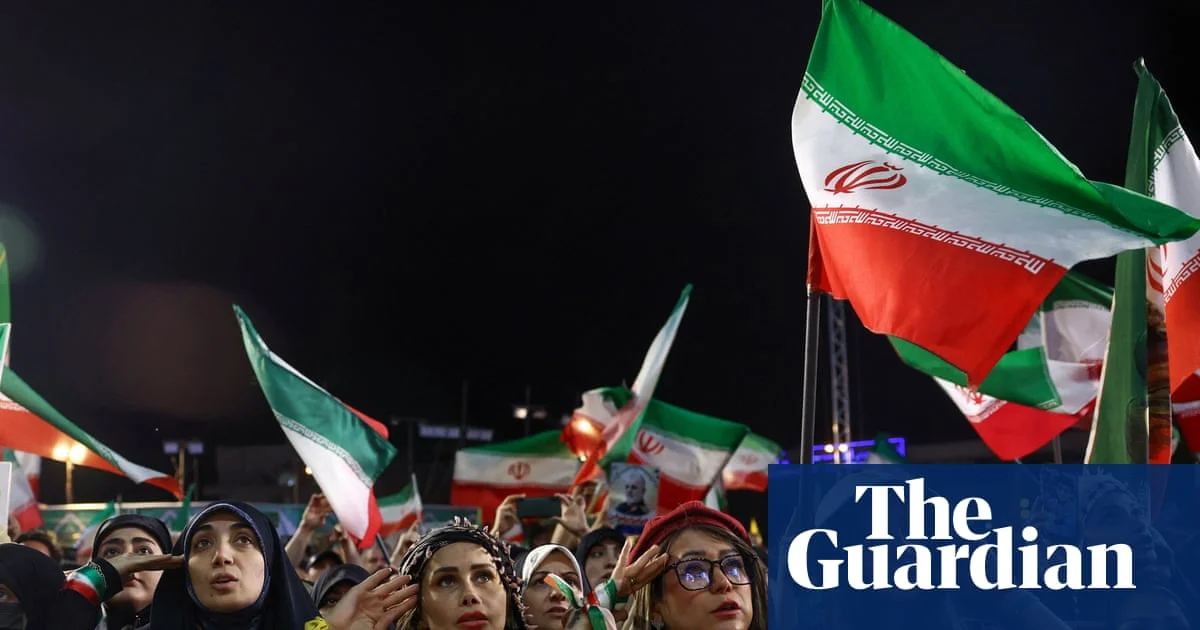
On Monday, the world will witness an unprecedented sporting event as the Iranian national team steps onto the pitch in Los Angeles to face New Zealand. This match marks the first time in FIFA World Cup history that a nation will compete in a host country with which it is actively at war. The backdrop of this tournament is anything but festive; recent hostilities between Tehran and Washington have intensified, and a fragile ceasefire has struggled to hold. FIFA’s long-standing slogan, "Football Unites the World," is facing its most grueling reality test yet as fans and athletes navigate a landscape of high-stakes geopolitics.
For the Iranian players, the pressure extends far beyond the tactical demands of the game. They find themselves at the center of a diplomatic lightning rod, playing in a city with one of the largest Iranian diaspora populations in the world, while their home nation remains locked in a bitter conflict with the very country hosting them. This isn't just about three points in a group stage; it is a manifestation of the complex intersection between national identity, global sport, and the brutal realities of modern warfare. Security is expected to be at an all-time high, with authorities bracing for potential protests and symbolic gestures that could overshadow the actual play on the field.

The Hormuz Red Line: Tehran Rejects Concessions
While the sports world looks toward California, the strategic focus remains firmly on the Persian Gulf. Iran’s official state media, IRNA, has moved quickly to dispel rumors regarding the potential surrender of the Strait of Hormuz in any upcoming deal with the United States. Despite President Trump’s claims that a "Great Settlement" is within reach, Tehran has made it explicitly clear that its control over this vital maritime artery is non-negotiable. The report emphasized that while the normalization of transit and the end of blockades are on the table, the management of the waterway will remain solely in the hands of coastal states, primarily Iran.
This stance serves as a cold shower for those expecting a total capitulation from Tehran in exchange for sanctions relief. The Strait of Hormuz is the world's most important energy chokepoint, and Iran views its presence there as its ultimate leverage. By drawing this line in the sand, the Iranian leadership is signaling to both domestic and international audiences that sovereignty will not be traded for economic stability. This development adds a layer of complexity to the ongoing draft negotiations, suggesting that any final agreement will be far more limited in scope than the "grand bargain" being touted by the White House.
Market Reaction: Toman Gains as Diplomacy Teases Traders
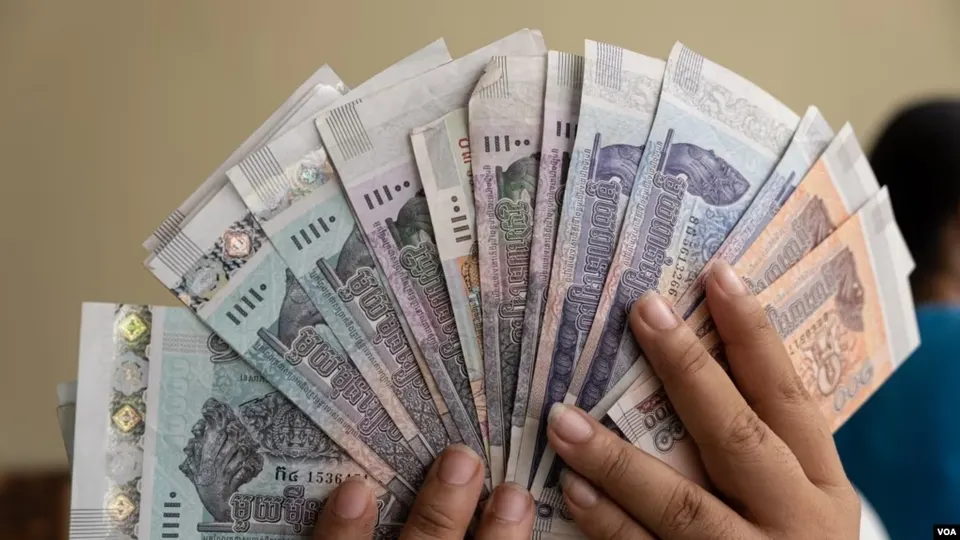
Despite the stern rhetoric from Tehran, the Iranian markets have shown a surprising degree of resilience and optimism. The USD/IRR exchange rate moved from 178,900 to 176,500, representing a 1.3% decrease in the value of the dollar over the last 24 hours. Similarly, the price of 18k gold per gram fell from 18,189,667 to 17,934,576 Toman, a 1.4% drop. These movements suggest that traders are prioritizing the fact that negotiations are even happening over the aggressive public statements being issued by state media. In the world of high finance, the existence of a "draft text" is often more influential than the rhetoric meant for public consumption.
However, this market optimism is cautious. The Emami coin remained stagnant at 182,000,000 Toman, indicating that some institutional investors are holding their positions until a more concrete diplomatic outcome is achieved. Global oil markets are also sliding as traders remove the "geopolitical premium" from crude prices, betting that the current tensions will not escalate into a full-scale disruption of global supply. For the average Iranian citizen, this slight strengthening of the Toman provides a momentary breather, but the long-term trajectory remains entirely dependent on whether the "draft text" mentioned by both sides can actually transform into a signed treaty.
Japan’s Anime Diplomacy: Pushing Back on Trump
In a bizarre twist of soft power and digital culture, the Japanese government has officially pushed back against the Trump administration's use of anime imagery in political posts. The Japanese Ministry of Foreign Affairs expressed concern that the use of iconic characters to promote US policy agendas is straining diplomatic ties and upsetting the original creators. This cultural friction highlights the unconventional nature of modern diplomacy, where memes and pop culture references can sometimes cause as much of a stir as traditional policy announcements.
Japanese officials and anime fans alike have criticized the administration for "appropriating" Japanese art forms to serve a specific political narrative. While it may seem like a minor issue compared to the conflict in the Middle East, it reflects a broader trend of how the current US administration interacts with its allies. For Japan, protecting the integrity of its most famous cultural export is a matter of national pride, and this pushback serves as a reminder that even the closest allies have limits when it comes to the use of their intellectual property in the service of foreign political campaigns.
High-Tech Officiating: Digital Twins at the World Cup
Technology is taking center stage at this World Cup, with referees now utilizing "digital twins" of every player to eliminate human error in officiating. Using a sophisticated network of cameras, sensors, and 3D body scans, the system allows officials to view any play from any angle with millimeter precision. This technology aims to end the era of "blown calls" that have historically decided the fate of entire nations in the tournament. By creating a real-time virtual replica of the match, FIFA is attempting to bring a level of scientific certainty to a game that has long been defined by its dramatic controversies.
While purists may argue that this removes the "human element" from the sport, the stakes are simply too high for errors. In a tournament where teams like Iran are playing under the shadow of war, every goal carries immense weight. The implementation of these 3D scans ensures that at least on the field, the results are determined by skill and performance rather than a referee's missed perspective. This shift toward a data-driven game is likely to set a new standard for all professional sports moving forward, making the 2026 World Cup a landmark event for both technology and global politics.
Frequently Asked Questions
Why is the Iran vs. New Zealand match considered historic?
Is Iran really considering giving up control of the Strait of Hormuz?
Why did the USD/IRR price drop despite the aggressive rhetoric?
The Geopolitical Significance of the Strait of Hormuz
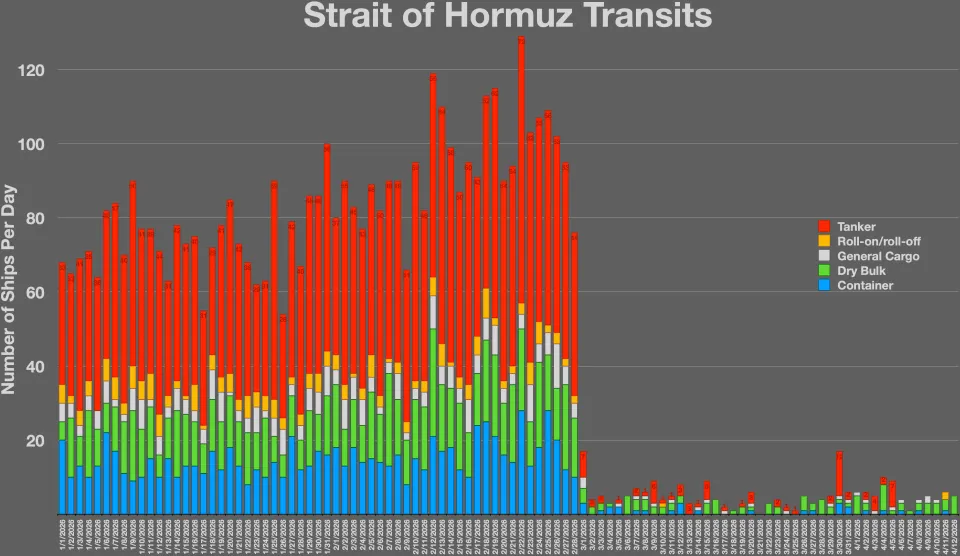
The Strait of Hormuz, a narrow waterway connecting the Persian Gulf to the Arabian Sea, stands as one of the world's most vital maritime chokepoints. Roughly one-fifth of the world's total petroleum consumption, including a significant portion of crude oil and liquefied natural gas (LNG), passes through this 21-mile-wide passage daily. Its strategic importance cannot be overstated, as any disruption to this shipping lane can send shockwaves through global energy markets, impacting prices, supply chains, and the broader world economy.
For Iran, the Strait of Hormuz holds immense strategic value, often referred to as a "red line" in its foreign policy. Positioned along the northern coast of the strait, Iran possesses the geographical advantage to potentially impede or threaten shipping, a leverage point it has historically used in times of heightened tension with international powers. This strategic control allows Iran to project influence and, in extreme scenarios, exert pressure on the global economy, making it a critical component of its regional defense and deterrence strategy.
The economic implications of any conflict or blockade in the Strait are profound. A disruption would immediately trigger a surge in global oil prices, leading to higher energy costs for consumers and businesses worldwide, potentially sparking inflation and slowing economic growth. For Iran itself, while exercising such leverage might be a political tool, it would also invite severe international repercussions and likely deepen its own economic challenges, including further depreciation of its currency (like the USD/IRR rate) and instability in its domestic markets, such as those in Tehran. Understanding this delicate balance of power and economic interdependence is key to grasping the complexities of Middle Eastern geopolitics.