Trump Denies Iran's Peace Deal Claims as Toman Strengthens; SBF Appeal Rejected
ترامپ ادعاهای ایران درباره توافق صلح را رد کرد؛ تومان تقویت شد؛ درخواست تجدیدنظر SBF رد شد
Former President Trump has rejected Iran's version of a potential peace deal, fueling regional uncertainty despite a slight strengthening of the Toman. Meanwhile, FTX founder Sam Bankman-Fried's appeal for a new trial has been denied, solidifying his fraud conviction. Elsewhere, the Air India crash inquiry requires more time for completion.
At time of publishing
USD
176,300
Toman
Gold 18K
18.03M
Toman / gram
Bitcoin
$64,218
US Dollar
Tether
175,697
Toman
Trump Denies Iran's Peace Deal Claims Amidst Hormuz Tensions
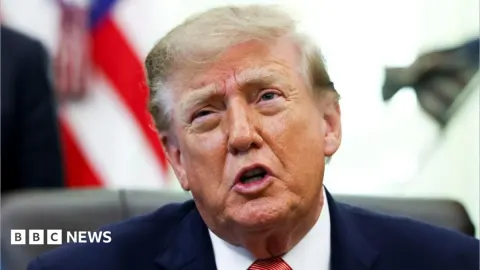
The diplomatic dance around a potential Middle East peace deal has taken another bewildering turn, with former President Donald Trump outright rejecting Iran's public description of a draft agreement. Trump stated that Iran’s version of the proposed peace deal had "no relation to the truth," directly contradicting earlier reports and his own prior assertions of a "great settlement" that he claimed was close to being signed. This latest development plunges the region back into uncertainty, unraveling any cautious optimism that had begun to emerge regarding a de-escalation of tensions and a potential path towards broader stability in the volatile Middle East.
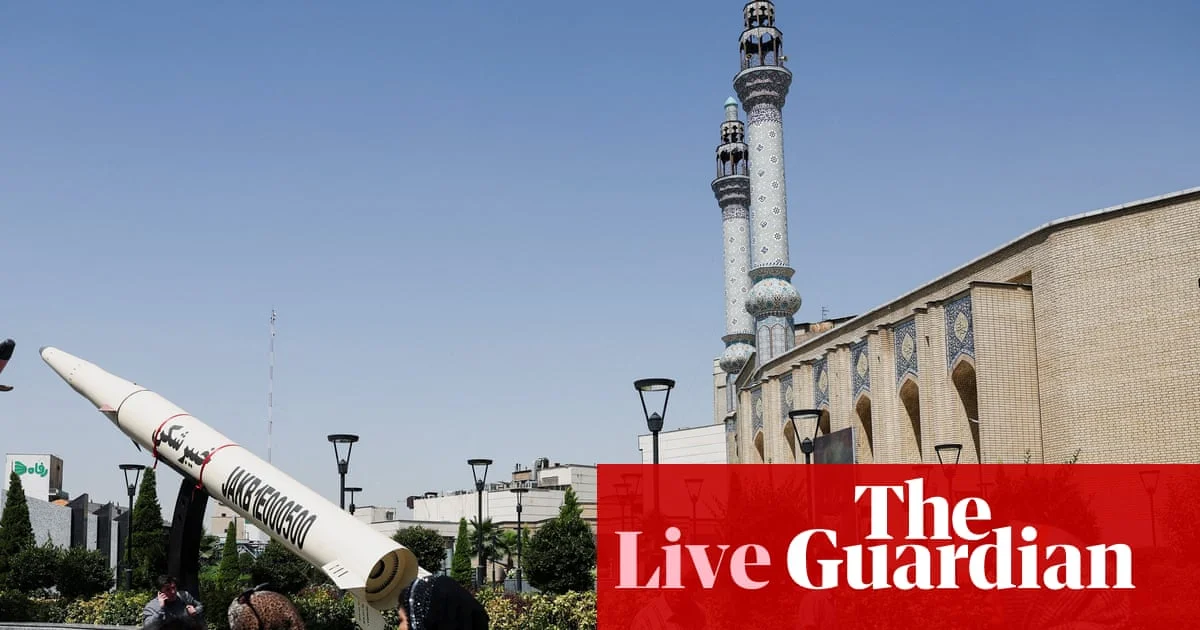
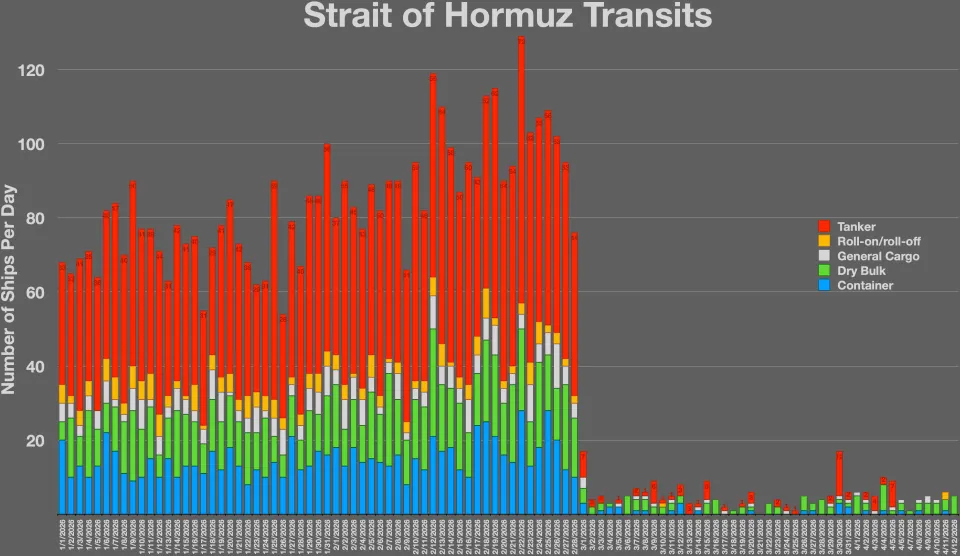
Iran, for its part, has been equally assertive in managing expectations and protecting its strategic interests. Its official Islamic Republic News Agency (IRNA) cautioned against media speculation, emphasizing that Tehran would not surrender control of the strategic Strait of Hormuz. IRNA insisted that any agreement would involve the normalization of transit through the strait, the establishment of maritime security by coastal states, and the removal of illegal blockades and threats to commercial shipping by the US and Israel, explicitly stating that the US would have no role in its future management. These conflicting narratives, also highlighted by the New York Times which reported "conflicting accounts" of a possible deal, underscore the deep chasm that remains between the two sides, even as talks reportedly progress behind closed doors. The lack of transparent, unified messaging from both Washington and Tehran only serves to exacerbate regional anxieties.
For Iranian readers, this geopolitical seesaw has immediate and tangible implications for the domestic economy and market sentiment. The Iranian Toman, which saw the USD fall from 178,900 to 176,300 (-1.5%) against it over the past 24 hours, reflects the highly sensitive and volatile nature of these ongoing negotiations and market reactions. While a strengthening Toman might suggest some underlying positive sentiment or successful market intervention, the overall picture of uncertainty surrounding a comprehensive peace deal dampens long-term investor confidence and complicates economic planning. The persistent conflict in Lebanon, which continues unabated despite the whispers of an Iran peace deal, further illustrates the complex and interconnected nature of regional stability, serving as a stark reminder that a broader, lasting settlement remains elusive and highly fragile, with local conflicts often decoupled from high-level diplomatic endeavors.
Sam Bankman-Fried's Appeal Rejected in FTX Fraud Case
In a significant legal blow to the disgraced founder of the FTX cryptocurrency exchange, Sam Bankman-Fried, an appeals court has unequivocally rejected his bid for a new trial. This ruling effectively upholds his earlier conviction on multiple counts of fraud and conspiracy, as well as his substantial 25-year prison sentence. Bankman-Fried had vehemently argued that his original trial was unfair, citing various procedural and evidentiary issues, but a panel of appellate judges found no compelling legal reason to overturn the verdict, thereby reinforcing the judicial system's stringent stance on accountability and misconduct within the rapidly evolving crypto industry.
This decision marks a definitive and perhaps final end to one of the most high-profile and damaging chapters in cryptocurrency history. The FTX saga, which involved the disappearance of billions of dollars in customer funds and severely shook global confidence in the digital asset market, has been a stark lesson for both investors and regulators. The court’s steadfast rejection of the appeal sends a clear and unambiguous message: high-profile figures in the crypto world are not exempt from legal scrutiny, and severe financial misconduct, regardless of the technological novelty of the sector, will be met with robust legal penalties. It underscores the increasing maturation of regulatory and legal frameworks surrounding cryptocurrencies, pushing for greater transparency, robust governance, and comprehensive consumer protection.

While the broader crypto market has shown remarkable resilience in the face of such scandals, with Bitcoin currently trading around $64,218 USD, the ongoing legal fallout from FTX continues to shape investor perceptions and risk appetite. For Iranian crypto enthusiasts and investors, this outcome reinforces the critical importance of conducting thorough due diligence and selecting reputable, regulated platforms for their digital asset holdings, mitigating exposure to bad actors. The stability of Tether (USDT), trading at 175,697 Toman, remains a key indicator of market sentiment, often acting as a perceived safe haven during periods of broader uncertainty, though no significant 24h delta was provided for major crypto assets in USD. The finality of Bankman-Fried's conviction may allow the broader crypto ecosystem to move forward with a clearer sense of legal precedent, albeit with a heightened sense of caution regarding centralized exchanges.
Air India Crash Inquiry Needs More Time, Officials Confirm
A year after the tragic Air India crash that claimed the lives of 260 people, officials investigating the disaster have announced that more time is needed to conclude their comprehensive inquiry. Despite reporting "significant progress" in gathering evidence and analyzing data, authorities emphasized the exceptionally complex nature of the investigation, which aims to uncover the definitive and multi-faceted causes behind the catastrophic event. This extension highlights the meticulous and often lengthy process required to ensure a thorough, transparent, and accurate understanding of aviation accidents, especially those of such a devastating scale and international significance.
Aviation accident investigations are inherently intricate, demanding a painstaking analysis of flight recorders, structural debris, detailed witness testimonies, and extensive operational data. The primary goal is not merely to assign blame but to identify all contributing factors, uncover systemic failures, and implement stringent safety improvements to prevent any recurrence of similar tragedies. The need for additional time suggests the investigators are encountering particularly challenging technical or forensic hurdles, or are meticulously piecing together a vast array of information from multiple international sources to form an unassailable and universally accepted conclusion, which is crucial for international aviation trust.

While this story may not have immediate direct impacts on global financial markets or specific Iranian economic indicators, it carries profound weight for international aviation safety standards and public confidence in air travel worldwide. For the families of the victims, the extended timeline means a continued, agonizing wait for closure and definitive answers regarding their loved ones' fate. More broadly, it serves as a poignant reminder of the global interconnectedness of safety regulations and the universal demand for accountability in transportation, factors that can indirectly influence economic activity, tourism, and cross-border business over time. The thoroughness and integrity of such inquiries are absolutely vital for maintaining the global integrity and reliability of the international aviation industry.
Frequently Asked Questions
What exactly did Trump say about Iran's peace deal claims?
How did the Iranian Toman react to the geopolitical news?
What are the implications of Sam Bankman-Fried losing his appeal for the crypto market?
Why is the Air India crash inquiry taking so long?
What is Iran's stance on the Strait of Hormuz in any potential peace deal?
The Geopolitical Impact on Currency Exchange Rates
A nation's currency value is often seen as a barometer of its economic health, but it's equally, if not more, susceptible to the winds of geopolitics. The fluctuation of currencies like the Iranian Toman (the common name for the Iranian Rial) in response to international headlines—such as claims of peace deals or the denial thereof—illustrates this intricate relationship. Beyond traditional economic indicators like interest rates or inflation, global political events, diplomatic tensions, and particularly economic sanctions, can dramatically influence a currency's strength and stability.
Economic sanctions, for instance, are powerful tools used by countries or international bodies to exert pressure on a target nation. These measures can range from restrictions on trade and financial transactions to asset freezes and travel bans. When a country faces severe sanctions, its ability to engage in international trade, particularly to export key commodities like oil, is curtailed. This directly reduces the inflow of foreign currency (like U.S. dollars), which is essential for importing goods and maintaining the local currency's value. Consequently, the local currency depreciates significantly as demand for foreign currency outstrips supply, leading to higher import costs and domestic inflation.
Conversely, any perceived de-escalation of tensions or the prospect of sanctions being eased, even if denied or speculative, can inject a surge of optimism into the market. This optimism might lead to a temporary strengthening of the local currency as traders and investors anticipate improved economic conditions, increased trade, and potential foreign investment. However, such movements can be highly volatile and short-lived, as currency markets react swiftly to new information and shifts in geopolitical sentiment. The underlying economic fundamentals and the actual implementation of policy changes ultimately dictate long-term currency trends.
For ordinary citizens, these currency fluctuations have tangible impacts. A depreciating currency erodes purchasing power, making imported goods more expensive and potentially fueling inflation. Conversely, a strengthening currency might offer some relief but can also make a country's exports less competitive. Understanding the interplay between geopolitical events, sanctions, and exchange rates is crucial for comprehending the broader economic landscape and the daily realities faced by people in affected nations.