Sydney Shark Attack and Thailand’s Royal Farewell: Toman Rallies as Peace Deal Rumors Swell
حمله کوسه در سیدنی و وداع تایلند با شاهدخت؛ رالی صعودی تومان در سایه شایعات توافق
A tragic shark attack in Sydney and the funeral of Thailand's Princess Bha dominate global headlines, while the Tehran market reacts sharply to rumors of a US-Iran peace deal, with the Toman gaining 1.4% against the dollar.
At time of publishing
USD
172,100
Toman
Gold 18K
17.58M
Toman / gram
Bitcoin
$64,247
US Dollar
Tether
172,089
Toman
Tragedies and Transitions: From Sydney’s Shores to Bangkok’s Grand Palace
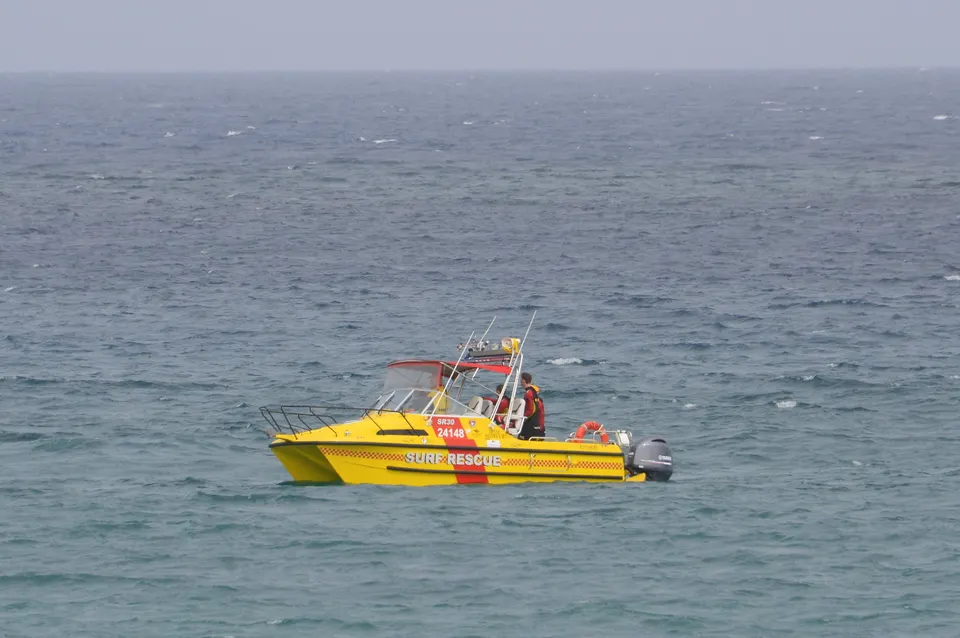
A sense of somber reflection has gripped two major global hubs this hour. In Sydney, a 35-year-old woman is fighting for her life after a horrific shark attack at a popular beach, an event that has sent shockwaves through Australia's tourism sector. The victim was pulled from the water by heroic members of the public before being airlifted to a nearby hospital. This incident, while localized, underscores the unpredictable nature of maritime safety at a time when global attention is increasingly focused on the security of coastal and naval routes. For a city that prides itself on its beach culture, the attack serves as a stark reminder of the fragility of the 'safe haven' status often enjoyed by Western metropolises.
Simultaneously, in Thailand, the streets of Bangkok have been lined with thousands of mourners as the funeral procession for Princess Bajrakitiyabha (Princess Bha) makes its way to the Grand Palace. The Princess, a champion for the underprivileged, passed away after nearly four years in a coma following a collapse in late 2022. Her death marks the end of an era for the Thai monarchy and introduces a period of national mourning that could have significant implications for the country’s political stability and consumer sentiment. As Southeast Asia navigates a complex geopolitical landscape, the loss of a unifying royal figure adds a layer of uncertainty to one of the region's most influential economies.
---
Energy Volatility and the Global Home Battery Revolution
The ongoing restrictions on energy trade through the Strait of Hormuz have continued to ripple through the global economy, manifesting in a surprising way: a massive boom in home battery installations. As energy bills soar due to inflation and the volatility of oil and gas markets, consumers are no longer waiting for government solutions. Australia is currently at the forefront of this movement, with households increasingly turning to solar and battery systems to achieve 24-hour clean power and energy independence. This shift is not just about environmentalism; it is a calculated economic defense against the geopolitical risks that have made traditional energy grids unreliable and expensive.
This trend highlights a structural change in how the world consumes power. When major maritime chokepoints like Hormuz are threatened, the cost of living in distant nations like Australia or the UK rises almost instantly. By decentralizing the energy grid through household batteries, consumers are effectively 'hedging' against future geopolitical shocks. For investors, this signals a long-term transition where energy storage technology becomes as critical to the global economy as the oil tankers that currently dominate the waves. The battery boom is the market's natural response to a world where energy security can no longer be taken for granted.
---
Tehran Markets: Toman Strengthens as Peace Rumors Reach a Fever Pitch
In the Tehran Bazaar, the air is thick with speculation as the Toman has seen a significant recovery over the last 24 hours. The USD sell rate moved from 174,600 to 172,100, marking a 1.4% appreciation for the Iranian currency. This move is largely driven by intensifying rumors of an imminent interim agreement between the US and Iran. The gold market has reacted even more aggressively; the Emami coin dropped from 182,000,000 to 175,000,000 Toman, a sharp 3.8% decline. This reflects a rapid unwinding of the 'risk premium' that had been baked into gold prices over the previous weeks of tension.
Despite the market's optimism, the Iranian public remains deeply divided on the prospects of a lasting peace. While some see the potential deal as a much-needed lifeline for the economy, others remain skeptical, citing years of failed diplomacy and the complexities of regional interests. This internal division is mirrored in the trading pits, where some are betting on a total market reset while others are cautiously holding their positions, waiting for official confirmation from both Washington and Tehran. For the average Iranian reader, the current volatility presents both a risk and an opportunity, as the gap between official rhetoric and market reality narrows.
---
The $10,000 Bet: AI and Robotics as the New Asset Class
As traditional markets grapple with geopolitical shifts, the narrative in the investment world is shifting toward the convergence of AI and robotics. Financial analysts are now suggesting that for those with a $10,000 capital base, the smartest move is to look beyond speculative assets and toward the infrastructure of the future. This includes companies specializing in autonomous investing and real-time portfolio management, which are increasingly using tokenization to mirror the success of the $20 trillion ETF boom. The goal is to move from passive holding to active, AI-driven wealth generation that can navigate the types of volatility we are seeing in the currency and energy markets today.
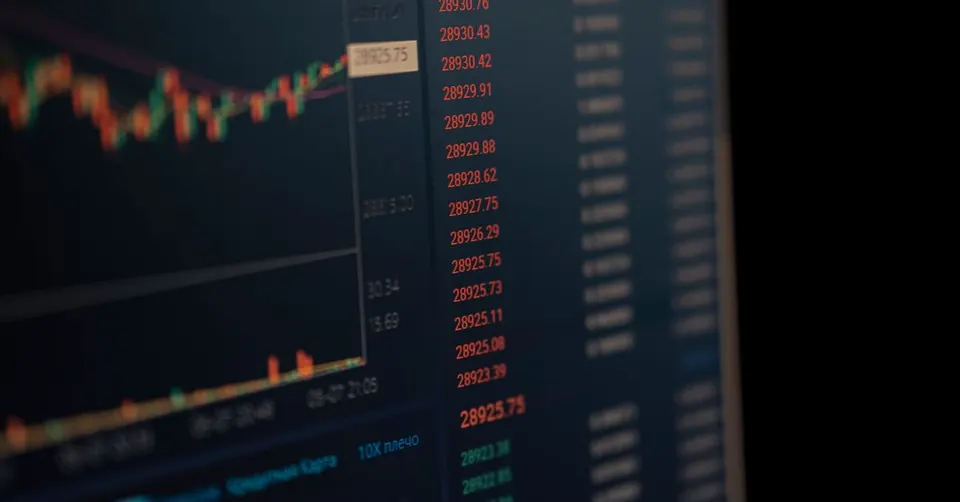
Investing in this sector is no longer just about buying 'tech stocks'; it is about betting on the tools that will manage the global economy. As AI models like Anthropic’s Mythos demonstrate their ability to find bugs in complex privacy protocols, the trust in automated systems is growing. This technological maturation is happening just as the crypto market shows signs of institutional stabilization, with Bitcoin rebounding above $64,000. For the retail investor, the message is clear: the next decade of wealth creation will be defined by those who can harness the efficiency of robotics and the analytical power of AI to stay ahead of the geopolitical curve.
Watch
Witness saw 'pool of blood' as shark mauled woman at Sydney beach
Reuters
Frequently Asked Questions
Why did the Emami coin fall more than the USD today?
How does the shark attack in Sydney affect the global economy?
What is driving the home battery boom mentioned in the news?
The Geopolitics of Currency: Understanding the Iranian Toman's Volatility
The news of the Iranian Toman "rallying" amid "US-Iran peace deal rumors" highlights a crucial concept in international economics: the profound impact of geopolitical events and sanctions on a nation's currency valuation. For countries like Iran, whose economy has been heavily influenced by international relations and sanctions, the value of its national currency—the Toman (or Rial)—is highly sensitive to shifts in political rhetoric, diplomatic progress, or escalating tensions. A mere rumor of a potential peace deal can trigger significant market movements, as investors and the public react to the prospect of reduced economic isolation.
At the heart of this volatility are economic sanctions. These measures restrict a country's ability to trade internationally, access global financial systems, and sell key exports like oil. For Iran, sanctions have severely limited its foreign currency earnings, making it difficult to import goods and maintain the value of its currency. The resulting scarcity of foreign exchange, coupled with domestic economic pressures and uncertainty, often leads to capital flight and a depreciation of the Toman. This creates a challenging environment for businesses and everyday citizens, who see their purchasing power erode.
Market reactions to geopolitical news are often driven by speculation. When rumors of a peace deal surface, market participants anticipate a potential lifting or easing of sanctions. This expectation suggests increased oil exports, greater access to international markets, and a potential influx of foreign investment, all of which would inject foreign currency into the economy and strengthen the Toman. Conversely, heightened tensions, such as a crisis in the Strait of Hormuz, would signal further economic isolation and likely lead to a sharp depreciation of the currency as investors brace for renewed pressure.
These currency fluctuations have far-reaching economic implications. A weakening Toman fuels inflation, making imported goods more expensive and eroding the real wages of citizens. It also creates an incentive for people to seek alternative stores of value, such as gold or other commodities, to protect their wealth. The mention of an "Emami coin price drop" suggests that even these alternative assets, often seen as hedges against currency instability, are not immune to the broader market sentiment driven by major geopolitical shifts, as a stronger Toman might reduce the demand for such hedges.