24 Hours to History? Toman Rallies as US-Iran Peace Deal Enters Final Electronic Signing Phase
۲۴ ساعت تا توافق تاریخی؛ جهش ارزش تومان در پی نهایی شدن توافق صلح ایران و آمریکا
Reports from regional officials and Pakistani mediators suggest a US-Iran peace agreement could be signed within 24 hours. The news has sent the Iranian Toman into a rally, while Bitcoin has reclaimed the $64,000 level on renewed global risk appetite.
At time of publishing
USD
171,800
Toman
Gold 18K
17.55M
Toman / gram
Bitcoin
$64,017
US Dollar
Tether
171,488
Toman
The 24-Hour Countdown: US-Iran Peace Deal Nears Reality
The geopolitical landscape of the Middle East is on the verge of a seismic shift as reports emerge that the United States and Iran are within 24 hours of finalizing a peace agreement. According to regional officials and statements from Pakistani Prime Minister Shehbaz Sharif, the deal is closer than "ever before" and is currently being prepared for an electronic signing. This breakthrough follows months of back-channel diplomacy and technical negotiations that have sought to end a period of intense regional friction and economic warfare.
At the core of this tentative agreement is a significant compromise regarding Iran's nuclear program. US officials have indicated that the terms include the destruction of Iran's enriched uranium stockpiles, a move aimed at permanently closing the door on nuclear escalation. While the finer technical details are still being hammered out for next week's follow-up talks, the immediate prospect of a signed memorandum of understanding has provided a massive psychological boost to global and local markets alike. For the first time in years, the narrative has shifted from the threat of conflict to the logistics of reconciliation.

---
Market Impact: Toman Strengthens as Risk Appetite Returns
The Tehran market has reacted with immediate volatility to the diplomatic breakthrough, with the Iranian Toman gaining significant ground against foreign currencies. The USD sell rate moved from 174,600 to 171,800, marking a 1.6% decrease in just 24 hours. Even more dramatic was the correction in the gold market; the Emami coin price dropped from 182,000,000 to 175,000,000 Toman, a sharp 3.8% decline. This suggests that investors are rapidly unwinding their hedge positions in gold as the perceived risk of war and further sanctions diminishes.
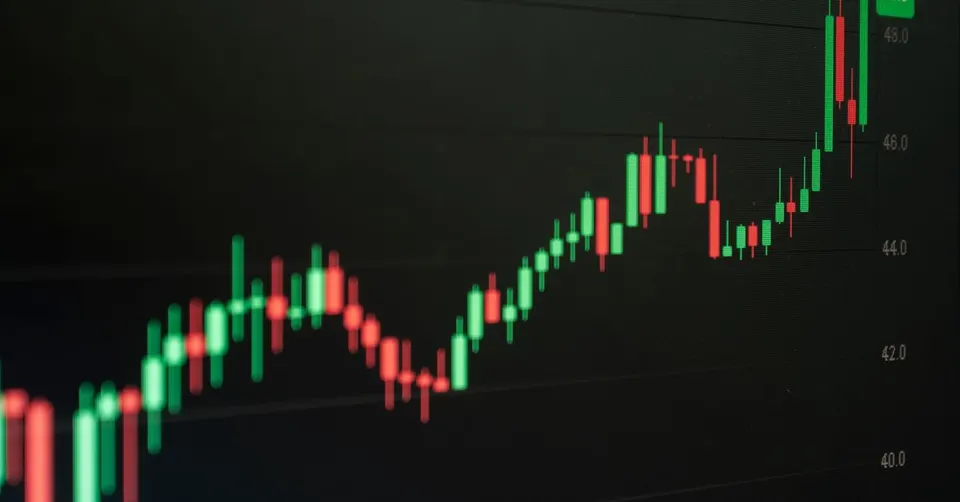
Simultaneously, the global cryptocurrency market has found a new tailwind. Bitcoin (BTC) rose above $64,017, supported by the strongest ETF inflows in a month and a general return of risk appetite. Analysts note that geopolitical stability in the Middle East often acts as a catalyst for risk-on assets. When the threat of energy supply disruptions in the Strait of Hormuz recedes, global liquidity tends to flow back into growth assets like Bitcoin and Ethereum, the latter of which is currently holding at $1,673.39 as it navigates a transitional phase of infrastructure scaling.
---
Beyond Diplomacy: BRICS Urbanization and Global Health Crisis
While the Western world focuses on the US-Iran deal, Tehran is also busy cementing its ties with Eastern powers through the BRICS framework. At the 13th BRICS Urbanization Forum in New Delhi, Iran’s Deputy Minister of Roads and Urban Development held high-level meetings with counterparts from India, Russia, and China. These discussions centered on urban cooperation and infrastructure development, signaling that Iran intends to maintain its "Look to the East" policy even as it explores a thaw with Washington. This dual-track diplomacy ensures that Iran’s economic recovery is not solely dependent on Western goodwill.
Meanwhile, on the global stage, health agencies are sounding the alarm over a worsening Ebola outbreak in the Democratic Republic of Congo. The virus has already claimed at least 140 lives, with the true toll likely much higher due to reporting delays in remote regions. While this may seem distant from the financial markets of Tehran or New York, such outbreaks often impact global aid priorities and can disrupt supply chains in resource-rich African regions. For the global economy, it serves as a reminder that even as one geopolitical fire is extinguished in the Middle East, biological and humanitarian risks remain a constant threat to stability.

Frequently Asked Questions
What are the reported terms of the US-Iran peace deal?
Why did the Emami coin drop more significantly than the USD?
How is the BRICS forum related to Iran's current strategy?
What is the significance of the 24-hour window mentioned by Pakistan?
How Geopolitical Events Influence Currency Exchange Rates
Currency exchange rates are far more than just numbers on a screen; they are a dynamic reflection of a nation's economic health, political stability, and global standing. At their core, exchange rates represent the value of one currency in relation to another, determined by the forces of supply and demand in the international market. When a country's economic prospects improve, or its political risks diminish, demand for its currency typically rises, causing its value to strengthen against other currencies.
Major geopolitical events, such as the signing of a significant peace deal or the lifting of international sanctions, can dramatically shift these supply and demand dynamics. A peace agreement, like the hypothetical US-Iran deal mentioned, signals a reduction in political risk and often opens doors for increased foreign investment, trade, and tourism. International investors, who previously might have been hesitant due to instability or sanctions, now see a more secure environment for their capital. This influx of foreign capital requires conversion into the local currency, thereby increasing its demand and pushing its value upward.
Conversely, geopolitical tensions or conflicts can have the opposite effect. Uncertainty deters foreign investment, encourages capital flight (where investors move their money out of the country), and can disrupt trade, all of which reduce demand for the local currency and lead to its depreciation. The prospect of a peace deal, therefore, instills confidence, suggesting a future of greater economic integration and stability, which is precisely why a currency like the Toman would rally in anticipation of such an agreement. It's a direct market response to perceived improvements in a nation's economic and political outlook.
Understanding this interplay between geopolitics and currency markets is crucial for anyone following global economic news. It highlights how political decisions and international relations are not abstract concepts but have tangible, immediate impacts on the daily value of money and the economic well-being of nations.