Trump Claims Imminent Iran Deal as Tehran Urges Caution; Iran Shines at World Combat Championships
ادعای ترامپ درباره توافق فوری با ایران همزمان با درخشش ورزشکاران ایرانی در برزیل
As President Trump signals a Sunday signing for a landmark US-Iran deal, Tehran officials urge caution over the timeline. Meanwhile, Iran’s university combat team secures a historic second-place finish in Brazil, and Amazon's CEO triggers a major AI crackdown.
At time of publishing
USD
170,300
Toman
Gold 18K
17.41M
Toman / gram
Bitcoin
$64,314
US Dollar
Tether
169,896
Toman
Iran Secures Runner-Up Title at World University Combat Championships
In a display of athletic dominance on the global stage, Iran’s Minab 168 delegation has officially claimed the second-place overall title at the 2026 FISU World University Championship Combat Sports held in Brazil. The Iranian team delivered a powerhouse performance, collecting a total of 30 medals across various disciplines. This achievement underscores the significant investment and talent development within Iran’s university sports programs, positioning the country as a premier force in international combat sports.
Beyond the prestige of the medals, this victory provides a much-needed boost to national morale and highlights the resilience of Iranian youth in international arenas. For domestic observers, such successes often serve as a catalyst for increased funding in sports infrastructure. As the delegation prepares to return to Tehran, the focus shifts to how these athletes can transition into professional Olympic cycles, potentially securing more gold for the nation in the coming years.

---
The Trump-Tehran Disconnect: Is a Deal Truly Imminent?
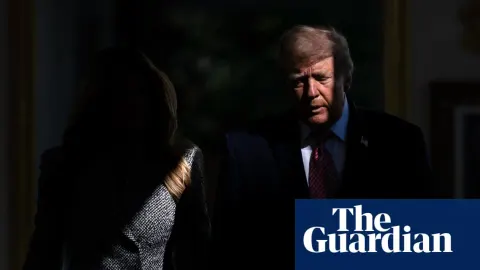
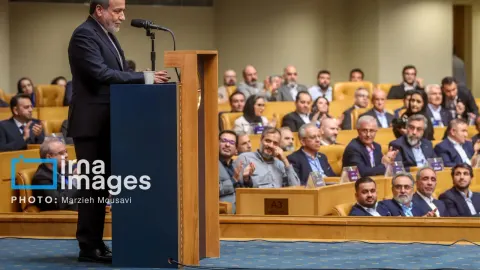
Geopolitical markets are on edge following contradictory statements regarding a potential US-Iran peace agreement. President Donald Trump has publicly stated that a deal could be signed as early as this Sunday, a move that would theoretically reopen the Strait of Hormuz and drastically alter global energy flows. However, officials from the Iranian Foreign Ministry have been quick to temper expectations, suggesting that while progress is being made, a Sunday signing is unlikely and the timeline remains fluid.
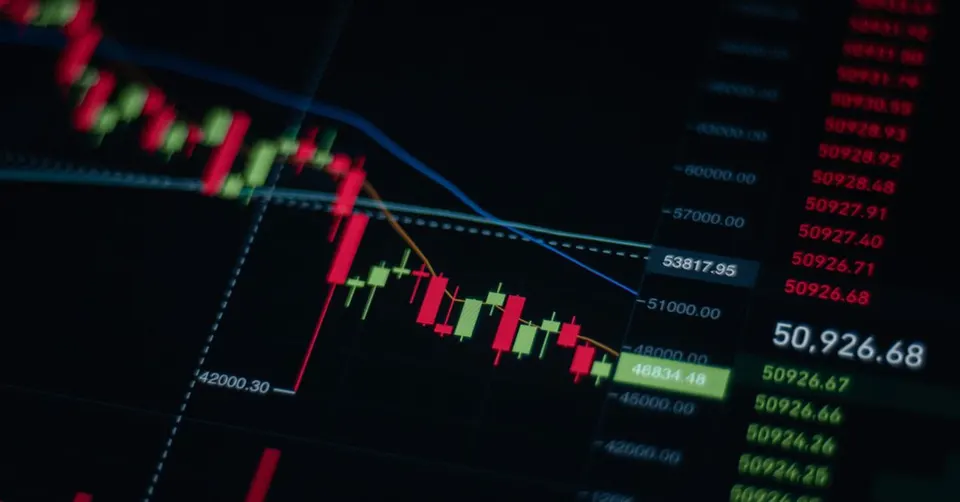
This diplomatic friction has already sent ripples through the financial markets. Brent crude prices have slipped below the $90 mark, trading between $88 and $89 per barrel, as traders begin to price in the possibility of de-escalation. In the crypto space, analysts like Michaël van de Poppe suggest that a finalized deal would act as a massive "risk-on" signal, potentially driving liquidity back into assets like Bitcoin, which currently stalls at the $64,314 level. For the Iranian Rial, the market remains in a state of watchful waiting; the USD sell rate is currently holding steady at 170,300 Toman (+0.0%), reflecting the uncertainty surrounding the official announcement.
---
Amazon CEO Triggers US Crackdown on Anthropic AI Models
In a move that has sent shockwaves through Silicon Valley, reports indicate that Amazon CEO Andy Jassy was a primary catalyst behind the US government's recent decision to restrict foreign access to Anthropic’s most advanced AI models. On Friday, the Trump administration suspended global access to the Fable 5 and Mythos 5 models, citing national security concerns. This intervention highlights the growing influence of big-tech leadership in shaping federal policy, especially as the race for AI supremacy becomes increasingly intertwined with national defense and economic protectionism.
For the broader tech ecosystem, this crackdown signals a shift toward a more closed-door policy for high-end generative AI. While Amazon has been a major investor in Anthropic, the move to limit foreign access suggests a strategy to ring-fence American innovation against international competitors. This could lead to a fragmented AI landscape where different regions operate on vastly different tiers of technology, complicating the growth of global startups that rely on these API models for their core services.
---
Switzerland’s Population Cap: A New Economic Precedent?
Switzerland is currently heading to the polls to vote on a controversial proposal that would cap the nation's population at 10 million people. The Swiss People's Party, which is championing the "Sustainability Initiative," argues that the measure is essential to preserving the country's infrastructure, environment, and quality of life. Opponents, however, warn that such a hard cap could lead to a severe labor shortage and economic stagnation, as Switzerland relies heavily on foreign workers to sustain its high-tech and financial sectors.

This vote is being watched closely across Europe as other nations grapple with similar demographic pressures. If passed, the cap would force Switzerland to rethink its economic growth model, moving away from labor expansion and toward hyper-automation and productivity gains. For international investors, this represents a unique case study in how a wealthy, developed nation might prioritize social stability over traditional GDP growth metrics, potentially setting a trend for other conservative European governments in the near future.
Frequently Asked Questions
Why is there a discrepancy between Trump and Tehran regarding the deal date?
How did the Iranian team perform so well in the World University Combat Championships?
What are the Anthropic AI models that were restricted by the US government?
What happens if Switzerland votes to cap its population at 10 million?
Understanding the Joint Comprehensive Plan of Action (JCPOA) – The Iran Nuclear Deal
The Joint Comprehensive Plan of Action (JCPOA), commonly known as the Iran nuclear deal, is a multilateral agreement reached in 2015 between Iran and the P5+1 countries (the United States, United Kingdom, France, Germany, Russia, and China). Its core purpose is to limit Iran’s ability to develop nuclear weapons in exchange for relief from economic sanctions. Under the deal, Iran agreed to reduce its stockpile of enriched uranium, limit the number of centrifuges it could operate, and submit to rigorous inspections by the International Atomic Energy Agency (IAEA). In return, sanctions on Iran’s oil exports, banking sector, and other key industries were lifted, allowing the Iranian economy to re‑engage with global markets.
The JCPOA is built on a “carrot‑and‑stick” framework. The “carrot” is the sanction relief that provides Iran with tangible economic benefits, while the “stick” is the threat of re‑imposition of sanctions if Iran breaches its commitments. A crucial feature is the verification regime: the IAEA has continuous access to Iranian nuclear facilities and can monitor uranium enrichment levels in near real‑time. This transparency is intended to build confidence among the parties and deter covert weapons development.
Since its inception, the agreement has been politically volatile. In 2018, the United States under President Donald Trump unilaterally withdrew and reinstated a maximum‑squeeze sanctions regime, arguing that the deal did not address Iran’s ballistic‑missile program or regional activities. European partners attempted to preserve the deal through a “special purpose vehicle” (SPV) to keep Iranian oil flowing, but the U.S. sanctions limited its effectiveness. Talks to revive the JCPOA have resumed intermittently, with the Biden administration seeking a return to compliance while Iran demands broader sanctions relief and assurances on its regional security concerns.
For anyone following current headlines—whether about a potential new deal, oil price forecasts, or even Bitcoin price movements linked to sanctions risk—the JCPOA remains the central mechanism that shapes Iran’s economic outlook and geopolitical leverage. Understanding its structure, enforcement mechanisms, and the political dynamics surrounding it helps decode why a single diplomatic breakthrough can ripple through global energy markets, financial systems, and regional stability.
Key Takeaways - The JCPOA limits Iran’s nuclear enrichment and provides a verification regime via the IAEA. - Sanctions relief is the incentive; re‑imposition is the penalty. - U.S. withdrawal in 2018 fractured the deal, leading to renewed diplomatic efforts. - The agreement’s status directly influences oil prices, sanctions‑related financial flows, and broader geopolitical risk assessments.
Topics
Related Articles