Iran-US Preliminary Deal Signed, Sparks Volatility in Markets
امضای توافق مقدماتی ایران و آمریکا، نوسان در بازارها را رقم زد
A preliminary deal between the U.S. and Iran has reportedly been signed, potentially impacting the Strait of Hormuz, though its terms remain undisclosed. Meanwhile, the Iranian Central Bank governor's visit to Moscow signals a deepening of monetary ties with Russia, as global markets watch for further developments and the U.S. Federal Reserve's meeting.
At time of publishing
USD
158,400
Toman
Gold 18K
16.67M
Toman / gram
Bitcoin
$66,260
US Dollar
Tether
160,378
Toman
U.S.-Iran Preliminary Deal Signed, Terms Secret
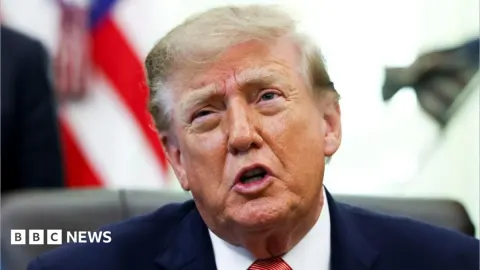
In a significant development that could reshape regional stability, U.S. President Trump and Iran's lead negotiator have reportedly signed a preliminary deal. The agreement is said to focus on opening the Strait of Hormuz, a critical chokepoint for global oil trade. However, the specific terms of this accord have not been released to the public, leaving international observers and regional actors in suspense regarding its full implications. This lack of transparency raises questions about the comprehensiveness of the deal and the extent to which it addresses underlying tensions between the two nations.
Israeli leadership has indicated that they are not fully aligned with the agreement, suggesting potential challenges to its implementation and a possible divergence in diplomatic strategies. The secrecy surrounding the deal’s details means that its actual impact on sanctions relief, trade, and regional security remains speculative. For the Iranian economy, this could translate into shifting currency expectations and potential changes in trade flows, contingent on the unrevealed provisions.

---
Central Bank Governor in Moscow to Bolster Banking Ties
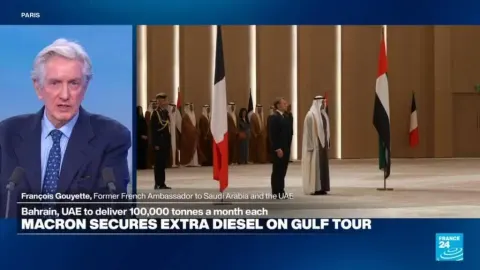
The Governor of the Central Bank of Iran has embarked on a trip to Moscow, signaling a strategic move to strengthen monetary and banking relations between Iran and Russia. This visit occurs amidst heightened geopolitical sensitivities and ongoing discussions about a U.S.-Iran deal, suggesting that Iran is actively seeking to diversify its international financial partnerships and mitigate potential economic isolation.
This initiative to deepen ties with Russia could have several implications for the Iranian economy. It may lead to the establishment of alternative payment mechanisms, reduce reliance on Western financial systems, and potentially facilitate increased trade and investment flows. For the Iranian Toman, such developments could influence its stability and value, depending on the concrete outcomes of these discussions and the broader impact on international sanctions. The timing of this visit, coupled with the news of the U.S.-Iran preliminary deal, underscores the complex and dynamic nature of Iran's economic and foreign policy.
---
Bitcoin Holds Steady Amidst Geopolitical and Economic Uncertainty
Bitcoin has stabilized above the $66,000 mark, with market participants closely monitoring the unfolding situation between the U.S. and Iran, alongside the anticipated U.S. Federal Reserve meeting. The cryptocurrency market, often sensitive to geopolitical events and macroeconomic policy shifts, appears to be digesting the news of a potential U.S.-Iran agreement while awaiting signals from the Fed regarding interest rates and economic outlook.
The preliminary deal concerning the Strait of Hormuz, if it leads to de-escalation, could theoretically reduce risk premiums in global markets, potentially impacting safe-haven assets and speculative investments like Bitcoin. However, the lack of clarity on the deal's terms and the ongoing complexities of U.S.-Iran relations mean that volatility remains a key characteristic. Traders are also factoring in the Federal Reserve's upcoming policy decisions, which will significantly influence liquidity and investment appetite across all asset classes, including cryptocurrencies. The price of USDT in Toman remained relatively stable, trading at 160,378.
Frequently Asked Questions
What are the implications of the preliminary U.S.-Iran deal for the Strait of Hormuz?
Why is the Iranian Central Bank governor visiting Moscow?
How is Bitcoin performing amidst these developments?
What is the current exchange rate for USD to Iranian Toman?
What is the significance of Israel's reaction to the U.S.-Iran deal?
How Economic Sanctions Shape Global Finance and Markets
Economic sanctions are coercive tools used by governments to pressure another country into changing policies without resorting to military force. When the United States imposes sanctions on Iran, they typically target key sectors such as oil exports, banking, and technology. By cutting off Iranian banks from the SWIFT payment network and restricting access to the U.S. dollar, sanctions aim to choke revenue streams, force diplomatic concessions, and signal to other actors the costs of non‑compliance.
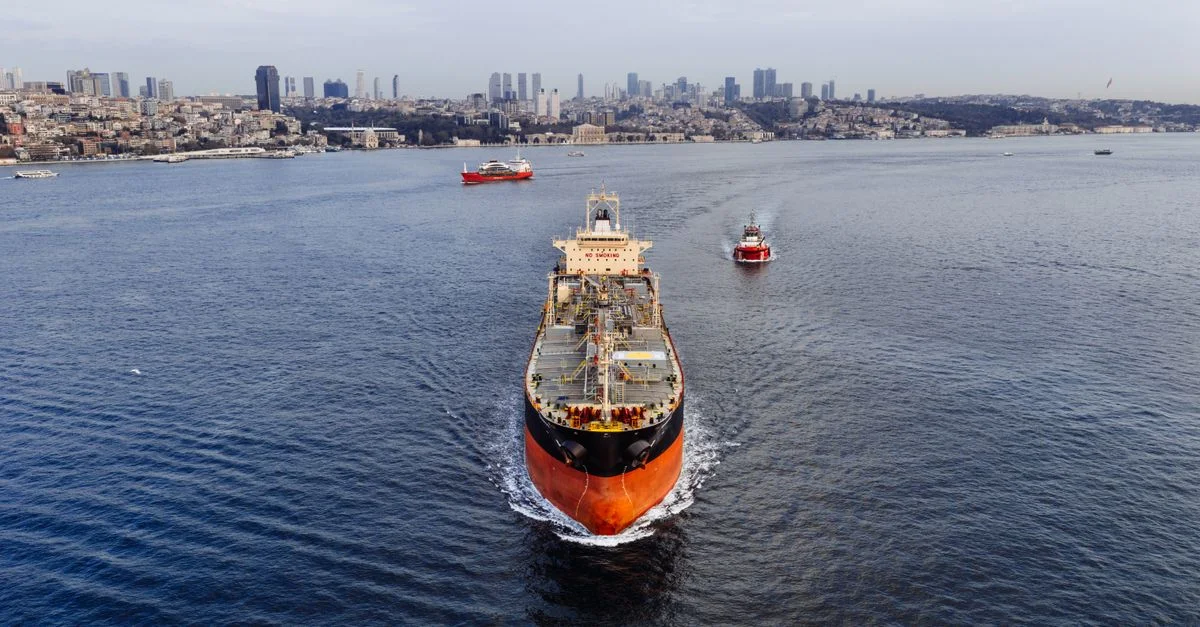
The immediate market reaction to a new sanction‑related deal—like the recent Iran‑U.S. preliminary agreement—often includes heightened volatility in oil prices, currency markets, and even alternative assets such as Bitcoin. Investors anticipate how quickly Iran can resume oil shipments through the Strait of Hormuz, a chokepoint that supplies roughly 20% of global oil consumption. Any uncertainty about the timing or scope of sanctions relief can cause oil futures to swing wildly, while the Iranian rial may depreciate sharply, prompting traders to seek refuge in more liquid or less regulated assets.
Sanctions also reshape the behavior of central banks. The Central Bank of Iran, for instance, has historically turned to cryptocurrencies and foreign exchange swaps to bypass restrictions and maintain foreign‑currency liquidity. Meanwhile, the Federal Reserve watches these developments closely because sudden capital outflows or inflows can affect U.S. monetary policy, inflation expectations, and the stability of the global financial system. Understanding the mechanics of sanctions helps explain why a diplomatic headline can ripple through markets far beyond the parties directly involved.
Historically, sanctions have produced mixed results. While they have pressured regimes like South Africa in the 1980s and more recently Iran, they can also entrench domestic elites, push targeted economies toward informal networks, and create unintended geopolitical side‑effects—such as closer ties between sanctioned states and alternative partners like Moscow. The interplay between political leverage, market dynamics, and financial innovation makes sanctions a pivotal concept for anyone following international economics.