US-Iran Deal Progresses Amidst Caution; Spain's Green Shield; UK Water Nationalization Looms
پیشرفت محتاطانه توافق آمریکا و ایران؛ سپر سبز اسپانیا؛ ملیسازی آب در بریتانیا در راه است
New details emerge on the US-Iran deal, with Vice-President Vance calling it 'very general' as $24bn in assets are reportedly tied to Strait of Hormuz access. Meanwhile, Spain showcases the economic benefits of renewables, saving households €10 monthly, while the UK's Thames Water inches closer to nationalization. These stories highlight shifting geopolitical balances, energy independence, and the evolving role of state intervention in critical infrastructure.
At time of publishing
USD
158,500
Toman
Gold 18K
16.63M
Toman / gram
Bitcoin
$66,347
US Dollar
Tether
160,426
Toman
US-Iran Deal: Details Emerge Amidst Caution
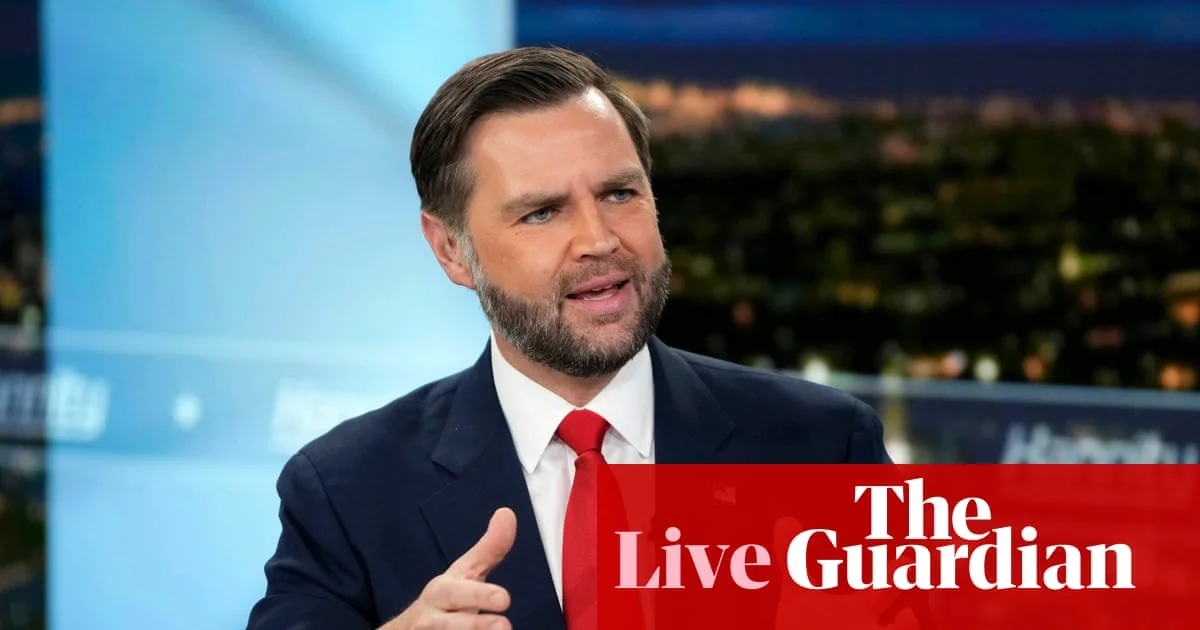
New details are beginning to surface regarding the preliminary US-Iran deal, though American officials are tempering expectations about its immediate finality. US Vice-President JD Vance characterized the agreement as "very general," emphasizing that numerous intricate details still require negotiation. This statement suggests that while a framework is in place, the path to a comprehensive, fully implemented accord remains lengthy and complex, demanding sustained diplomatic efforts from both sides. The return of nuclear inspectors to Iran is also cited as a key component of this evolving agreement, indicating a move towards greater transparency and oversight, a critical demand from international bodies.
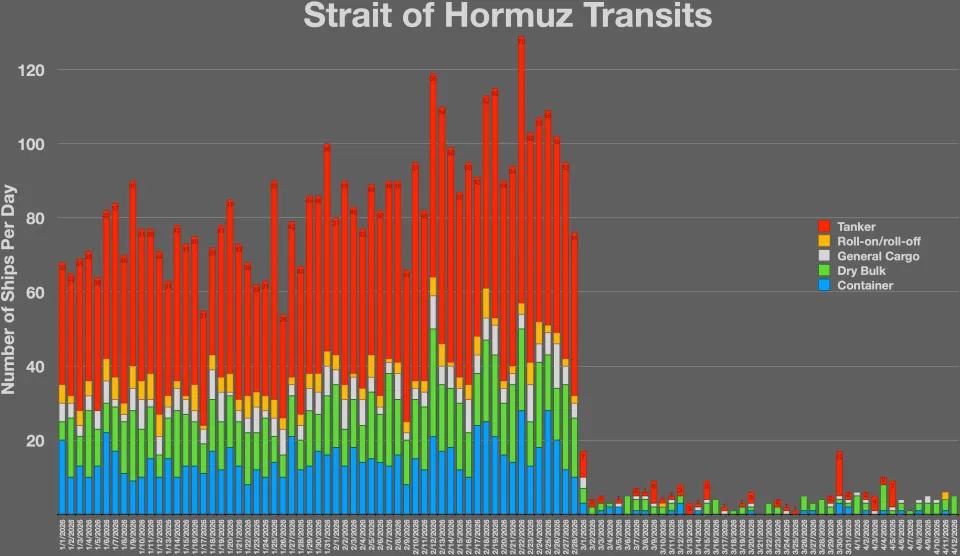
Further concrete, albeit conditional, information has emerged from an Israeli newspaper, Hareetz, which reported that approximately $24 billion (£17.9 billion) in frozen Iranian assets are slated for release in four installments. This significant financial injection, however, is not without strings attached. The report specifies that these funds will only be unfrozen if Iran permits the toll-free reopening of the Strait of Hormuz – a vital global oil transit chokepoint – and agrees to specific “understandings” in upcoming nuclear talks. This conditionality underscores the strategic leverage points in play, linking economic relief directly to geopolitical concessions and nuclear commitments, particularly concerning a waterway crucial for global energy security.
The market reaction to these developments has been nuanced. The Iranian Toman saw a marginal strengthening against the USD, with the dollar moving from 158,600 to 158,500 (-0.1%). Similarly, Gold 18k/gram experienced a slight dip from 16,672,284 to 16,625,652 (-0.3%), and the Emami coin decreased from 167,000,000 to 165,000,000 (-1.2%). These minor movements suggest that while the initial news of a deal might have introduced a degree of cautious optimism, Vance's remarks about its generality and the conditional nature of asset releases have prevented any dramatic market shifts. Iranian readers should understand that while the prospect of asset release is positive, the conditionalities and ongoing negotiations mean that the full economic benefits and stability are still some way off, requiring continued monitoring of diplomatic progress and regional stability.
Spain's Green Energy Revolution: A Shield Against Global Volatility
Spain is demonstrating the tangible economic benefits of a robust renewable energy strategy, with a recent report highlighting significant savings for households. According to Ember, a prominent climate thinktank, the strategic expansion of wind turbines and solar panels over the past five years has led to an average saving of €10 per month on electricity bills for Spanish households. This achievement is particularly noteworthy because it has allowed Spain to decouple its electricity costs from volatile gas prices, resulting in bills that are now 19% cheaper than they would have been if still tied to 2021 gas prices.
This energy independence has proven to be a critical shield against global geopolitical shocks. The report explicitly states that Spain’s accelerated investment in renewables, particularly since Russia's invasion of Ukraine in 2022, has protected Spanish consumers from the latest surges in fossil fuel prices, which it attributes in part to the "Iran war." This connection underscores how regional conflicts, even those seemingly distant, can reverberate through global energy markets, making domestic energy sovereignty via renewables an increasingly strategic imperative for nations.
For Iran and other energy-exporting nations, Spain's experience offers a potent glimpse into the future of global energy demand and policy. As more countries prioritize energy security and climate goals, the long-term reliance on fossil fuels may diminish, impacting future revenue streams. Conversely, for countries grappling with energy cost inflation, Spain's model provides a compelling case study for how domestic investment in green technologies can directly translate into consumer savings, economic stability, and enhanced national resilience against external market disruptions, fostering a more predictable economic environment for citizens.
Politics and Football: Iran's Divisions on Display
The global stage of the World Cup has once again become a powerful arena for political expression, particularly concerning Iran. Recent matches featuring the Iranian men's national team, including games in Los Angeles and against New Zealand, revealed deep-seated divisions among Iranians, both at home and abroad. Instead of fostering national unity through sport, the events became a platform for protests against the Tehran regime, with spectators often more focused on political statements than the game itself.
BBC North America correspondent Shaimaa Khalil highlighted how these matches underscored the persistent ideological rifts within the Iranian community. The team, often seen as a symbol of national pride, found itself inadvertently caught in the crossfire of domestic discontent and expatriate activism. This phenomenon is not new, as international sporting events frequently serve as rare opportunities for dissent to gain global visibility, especially for populations living under restrictive political conditions or for diasporas seeking to influence change from afar.

The intertwining of politics and football in this manner signifies the ongoing struggle for identity and political reform within Iran. It demonstrates that despite efforts to project a unified national image, significant segments of the population harbor strong grievances that they are eager to express. For geopolitical observers, this internal fracturing is a crucial indicator of the complex social and political dynamics at play within Iran, which can influence its foreign policy decisions, regional engagements, and overall stability, suggesting that national unity remains an aspiration rather than a current reality for many.
UK's Thames Water Edges Towards Nationalisation
The future of Thames Water, the United Kingdom's largest water and wastewater company, appears increasingly uncertain as the government moves closer to a potential nationalization. Reports indicate that the UK environment secretary has formally objected to a proposed £10 billion rescue package, citing concerns that the deal would impose an "undue burden" on consumers. This objection marks a critical turning point, pushing the beleaguered utility firm, which serves a quarter of the UK population, further towards the prospect of public ownership.
Thames Water has been embroiled in significant financial difficulties for some time, grappling with an enormous debt pile, aging infrastructure, and a history of environmental performance issues, including sewage discharges. The government's resistance to the private rescue deal reflects a growing political unwillingness to allow private companies to externalize their financial woes onto the public through higher bills or reduced service quality. This stance suggests a re-evaluation of the privatization model for essential services, particularly when corporate governance and financial stability prove inadequate.
This development holds significant implications beyond the UK's borders. It could signal a broader trend among governments in developed economies to reconsider the privatization of critical national infrastructure, especially sectors deemed too vital to fail or too prone to market failures. For investors and policymakers globally, the potential nationalization of Thames Water serves as a cautionary tale about the risks associated with highly leveraged private ownership of public utilities and may prompt closer scrutiny of similar models in other countries, potentially influencing future investment decisions and regulatory frameworks in the utilities sector worldwide.
Australian Police Under Scrutiny for 'Inadequate' Response
In Australia, the New South Wales (NSW) police force is facing significant criticism following an independent watchdog's finding of an "inadequate" response to a serious incident. The criticism stems from a triple zero (emergency) call received on January 3, 2023, reporting a woman being assaulted behind a building in Ballina. Despite the gravity of the call, the watchdog determined that the responding officers "did not meet minimum standards" because they failed to exit their vehicles to investigate the reported assault, even though they were cleared of serious misconduct.
This incident highlights a critical gap in police operational procedures and accountability, particularly concerning domestic violence reports where immediate intervention can be life-saving. The independent review underscores the importance of proactive engagement and thorough investigation by law enforcement, even when initial information is vague or anonymous. The failure to dismount and physically assess the situation represents a procedural lapse that could have severe consequences for public safety and trust in emergency services, raising questions about training and command oversight.
For a global audience interested in governance and public safety, this case in NSW serves as a stark reminder of the continuous need for robust police accountability mechanisms and ongoing professional development. It reflects a universal challenge faced by law enforcement agencies worldwide: balancing operational efficiency with the imperative of thoroughness and citizen protection. The incident prompts a broader discussion on how police forces are trained to respond to sensitive calls, the role of independent oversight in maintaining standards, and the fundamental expectation that emergency services will provide a competent and immediate response to protect vulnerable individuals, thereby impacting a nation's social contract and its international reputation for upholding the rule of law.
Watch
Vance says nuclear inspectors will return to Iran under terms to end war
NBC News
Frequently Asked Questions
What are the key conditions for the release of Iran's frozen assets?
How has Spain's renewable energy expansion influenced its energy costs and geopolitical resilience?
What does the potential nationalization of Thames Water signify for the UK and global infrastructure?
How did the World Cup matches reveal internal divisions within Iran?
What are the implications of the NSW police's 'inadequate' response for public trust and accountability?
Understanding Economic Sanctions and Frozen Assets
Economic sanctions are powerful foreign policy tools used by governments and international bodies to influence the behavior of target countries, entities, or individuals without resorting to military force. These measures typically involve restrictions on trade, finance, travel, or other economic interactions. The primary goal is to compel a change in policy, deter aggression, combat terrorism, or uphold international law, often by imposing economic pain severe enough to alter the target's strategic calculus. Sanctions can range from comprehensive embargoes on all trade to targeted restrictions on specific sectors, individuals, or financial transactions.
A key component of many sanction regimes involves the "freezing" of assets. Frozen assets refer to money, property, investments, or other financial holdings belonging to a sanctioned entity – whether a government, corporation, or individual – that are held in foreign banks or financial institutions. When assets are frozen, the owner is legally prohibited from accessing, moving, or otherwise utilizing them. This effectively cuts off access to crucial financial resources, making it difficult for the sanctioned party to conduct international business, fund operations, or even manage daily affairs if their wealth is primarily held abroad.
The impact of economic sanctions and frozen assets can be profound, significantly disrupting a target nation's economy, limiting its access to global markets, and potentially leading to domestic hardship. However, their effectiveness is a subject of ongoing debate; while they can exert immense pressure, they don't always achieve their desired policy outcomes and can sometimes lead to unintended humanitarian consequences or strengthen nationalistic resolve. In the context of international negotiations, such as a potential US-Iran deal, the unfreezing of assets often serves as a primary incentive offered in exchange for compliance with specific agreements, demonstrating their central role as a bargaining chip in global diplomacy.