Peace Deal on a Precipice: Beirut Strikes Threaten Sunday Signing as Toman Holds Steady
توافق صلح در لبه پرتگاه؛ حملات بیروت و تردید در امضای قرارداد همزمان با ثبات نسبی تومان
A surge in military friction between Israel and Hezbollah in Beirut has cast a shadow over the highly anticipated Sunday peace framework signing. While Bitcoin holds near $65,000 on diplomatic hopes, the Iranian Toman remains cautious as market participants weigh the risk of escalation against the promise of a breakthrough.
At time of publishing
USD
170,800
Toman
Gold 18K
17.45M
Toman / gram
Bitcoin
$64,548
US Dollar
Tether
172,090
Toman
Beirut Strikes Complicate the 'Sunday Peace' Framework
The geopolitical landscape shifted dramatically this afternoon as Israel’s military launched strikes on the southern outskirts of Beirut. This escalation comes at a critical juncture, as the Israeli military accused Hezbollah, the Iran-backed armed group, of violating an existing cease-fire. The timing is particularly sensitive given that U.S. and Pakistani leaders had previously forecasted a Sunday signing of a long-elusive peace framework intended to end months of hostilities between the United States and Iran. While international observers were hopeful for a diplomatic breakthrough, these strikes have introduced a fresh layer of volatility into the negotiations.
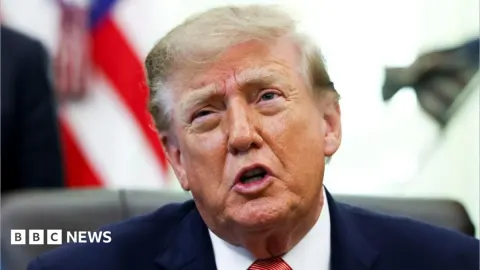
In Tehran, officials have cast doubt over the timing of any imminent signing, contrasting the optimism expressed by Donald Trump and other foreign leaders. This dissonance between international expectations and local reality has kept the markets on edge. For the Iranian reader, this means the 'risk premium'—the extra cost added to assets like the US Dollar due to political uncertainty—remains firmly embedded in the exchange rate. The USD rose from 170,300 to 170,800 (+0.3%) in the last 24 hours, reflecting a market that is waiting for concrete signatures rather than just optimistic headlines.
Domestic Unity and the 'Enemy' Narrative
Amidst the external diplomatic pressure, Iran’s Judiciary Chief Gholamhossein Mohseni Ejei issued a stern warning regarding national unity. He stated that the "enemies" of the state are actively seeking to undermine the country’s internal solidarity during this period of transition. This rhetoric is often a precursor to tighter internal controls or a signal to foreign negotiators that the domestic front remains unified despite the economic pressures of sanctions and the fluctuating value of the Toman. Ejei’s comments highlight the internal balancing act the Iranian government must perform: managing a population eager for economic relief while maintaining a hardline stance against perceived foreign interference.
From an economic perspective, such statements serve to manage expectations. If a deal is signed today, the government wants to ensure it is seen as a victory of 'resistance' rather than a surrender to pressure. However, the market’s reaction to this domestic posturing has been mixed. While the 18k gold price saw a slight increase of 0.2%, moving to 17,450,944 Toman per gram, the Emami coin actually dropped from 175,000,000 to 172,500,000 (-1.4%). This divergence suggests that professional traders might be taking profits or hedging against the possibility that the 'Sunday deal' might be more of a framework than a final, sanctions-lifting reality.
Global Shifts: Swiss Neutrality and G7 Tensions
Outside the Middle East, two major events are shaping the global geopolitical mood. In Switzerland, early projections indicate that voters have rejected a proposal to cap the national population at 10 million. The rejection of this 'sustainability' initiative, which aimed to limit immigration to protect the environment and infrastructure, suggests that Swiss citizens are currently more concerned with economic continuity and labor needs than with isolationist policies. For global markets, a stable Switzerland is a sign of European economic resilience, which indirectly supports the Euro, currently selling at 197,700 Toman in Tehran.

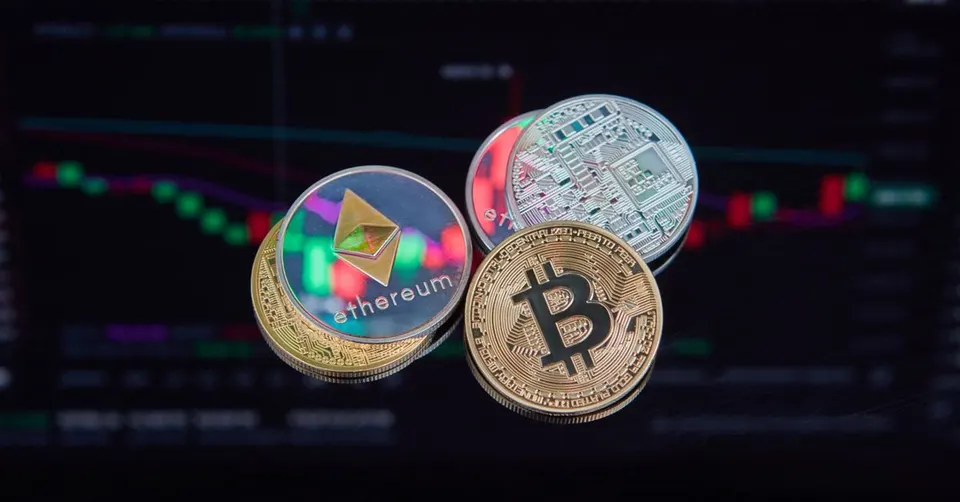
Meanwhile, in Geneva, thousands of protesters are converging ahead of the G7 summit in nearby Evian, France. The 'No-G7' coalition is denouncing what they term 'fascism and imperialism,' bringing back memories of the violent 2003 protests. These demonstrations remind investors that even the world’s wealthiest nations face significant internal dissent regarding their global economic policies. As these leaders meet to discuss everything from AI regulation to global trade, the instability on the streets of Geneva mirrors the broader global uncertainty that has pushed Bitcoin back toward the $65,000 mark as a hedge against traditional systemic risks.
Environmental Extremes: The Philippines Seabed Shift
In a stark reminder of the physical world’s volatility, new data from the Philippines has revealed that a massive 7.8-magnitude earthquake has physically altered the Earth’s geography. The environment department reported on Sunday that the seabed in southern Mindanao island rose by as much as 2 meters, exposing coral reefs and devastating marine life. This 'coastal uplift' has extended shorelines by up to 200 meters in some areas, permanently changing the livelihoods of local fishing communities. While this may seem distant from the halls of the G7 or the trading floors of Tehran, it underscores the increasing frequency of high-impact natural disasters that disrupt global supply chains and demand humanitarian capital.

For the global economy, these 'black swan' environmental events are becoming a regular line item in risk assessments. The death toll from the quake has reached 61, with dozens still missing, highlighting the human cost of infrastructure failure. As insurance companies and governments recalibrate for a more geologically and climatically unstable world, the long-term cost of capital is likely to rise. This adds another layer of complexity to the global inflation narrative, which continues to influence the Federal Reserve's interest rate decisions and, by extension, the strength of the US Dollar against currencies like the Toman.
Frequently Asked Questions
How do the Beirut strikes affect the potential Iran-US peace deal?
Why is the Emami coin dropping while the USD and Gold prices are rising?
What was the result of the Swiss population cap vote and why does it matter?
The Resilience and Vulnerability of Currencies Under Geopolitical Stress: The Case of the Iranian Rial
Geopolitical events and international sanctions profoundly impact a nation's currency, often serving as a sensitive barometer of its economic health and political stability. The Iranian Rial (IRR), frequently referred to in its denomination, the Toman (1 Toman = 10 Rials), provides a compelling case study of how a currency navigates such turbulent waters. Its exchange rate against major currencies like the USD is not merely a reflection of trade balances but also a complex interplay of political decisions, market sentiment, and external pressures.
Economic sanctions typically aim to isolate a country financially, restricting its international trade, limiting foreign investment, and cutting off access to global financial systems. For a nation heavily reliant on exports, such as oil, these measures curtail vital foreign currency inflows. This reduction in the supply of foreign exchange, coupled with a decrease in demand for the local currency in international transactions, usually exerts significant downward pressure on the domestic currency, leading to depreciation and often a widening gap between official and unofficial (black market) exchange rates.
However, a currency's behavior isn't solely dictated by external pressures. Various internal factors can contribute to its stability or volatility. Central bank interventions, such as selling foreign reserves to prop up the local currency, or imposing strict capital controls, can temporarily stabilize official exchange rates. Public sentiment, domestic economic policies, and the anticipation of future geopolitical developments (like a potential peace deal) also play crucial roles. A currency appearing "steady" amidst significant threats might indicate strong central bank management of official rates, a highly segmented market where unofficial rates tell a different story, or even market speculation on positive future outcomes.
In economies facing severe sanctions, traditional financial channels are frequently disrupted, prompting individuals and businesses to seek alternative mechanisms. This can lead to increased demand for assets like gold or, more recently, cryptocurrencies. Digital assets such as Bitcoin, or even specific local digital currencies, can emerge as a hedge against inflation or as a means for international transactions outside sanctioned systems. This shift towards alternative assets further influences the supply and demand dynamics of the national currency, adding another layer of complexity to its overall stability and valuation.