Kyiv Cathedral Damaged, G7 Convenes Amidst US-Iran Truce Fallout
خطر آسیب جدی به کلیسای کییف؛ G7 تشکیل جلسه میدهد در بحبوحه توافق آمریکا و ایران
UNESCO expresses grave concern over significant damage to a historic cathedral in Kyiv following Russian attacks, as G7 leaders gather for crucial talks. Meanwhile, the fallout from the tentative US-Iran framework agreement continues to ripple through global markets, impacting oil prices and currency valuations.
At time of publishing
USD
162,700
Toman
Gold 18K
17.10M
Toman / gram
Bitcoin
$65,680
US Dollar
Tether
163,569
Toman
UNESCO Decries Damage to Kyiv Cathedral Amidst G7 Summit
UNESCO has issued a strong condemnation following reports of "significant" damage to the Dormition Cathedral within the Kyiv-Pechersk Lavra, a UNESCO World Heritage site, after a recent Russian attack. The cultural body stated that the strikes impacted the cathedral's exterior and interior, as well as adjacent historic structures. This destruction occurs as leaders of the G7 nations convene in Évian-les-Bains, France, for critical discussions on global issues, including the ongoing conflict in Ukraine, the situation in Gaza, and international relations with Iran. The G7 summit's agenda is framed by the urgent need to address escalating geopolitical tensions.
This incident highlights the devastating collateral damage that cultural heritage sites are increasingly suffering amidst prolonged conflicts. For Iran, the proximity of these international high-level discussions, particularly concerning its own nuclear program and regional stability, creates an environment of heightened scrutiny. While the G7 agenda is broad, any unified stance on geopolitical flashpoints or sanctions regimes could indirectly influence Tehran's negotiating position and its international economic outlook. The damage to a site of such spiritual and historical importance serves as a stark reminder of the human and cultural cost of war, potentially influencing diplomatic pressure on all parties involved.

---
US-Iran Truce Creates Market Volatility and Economic Uncertainty
The tentative framework agreement between the United States and Iran, aimed at easing tensions and potentially reopening the Strait of Hormuz, continues to generate significant market reactions. While the deal has brought a degree of relief, with oil prices slumping to three-month lows following the news (WTI and Brent crude fell significantly), the actual return of oil and gas flows remains uncertain, potentially taking months to reach pre-conflict levels. Reports indicate that Japanese shipping companies are holding back from immediate resumption of operations, awaiting formalization of the agreement. This cautious approach underscores the underlying fragility of the situation, despite the initial optimism.
For Iran, the implications are multifaceted. The immediate drop in oil prices, while seemingly counterintuitive for an oil-exporting nation, could reflect a broader market expectation of increased supply and a de-escalation of regional risks. However, the agreement's success hinges on further negotiations, particularly concerning Iran's nuclear program, a point where "each side finds a way to claim victory" but details remain to be ironed out. The Iranian Toman experienced a sharp appreciation of 4.7% against the USD, moving from 170,800 to 162,700, signaling a potential boost in confidence, though the long-term stability of this trend is contingent on the full implementation and subsequent developments of the peace framework. This volatility highlights the delicate balance between geopolitical de-escalation and economic recovery.
---
Global Markets React to Geopolitical Shifts and Economic Data
Global markets are navigating a complex landscape shaped by ongoing geopolitical developments and key economic indicators. The tentative US-Iran agreement has broadly lifted risk appetite, with Wall Street futures showing positive movement and major indices reflecting this sentiment. However, caution persists, as evidenced by the wait-and-see approach of shipping companies and the deferral of critical issues in the US-Iran talks. The slump in oil prices to a three-month low directly impacts energy markets and related economies, while the rise in the Iranian Toman suggests a localized currency stabilization.
Beyond the immediate impact of the US-Iran developments, other economic news is filtering through. India's solar capacity is projected for substantial annual growth through 2035, driven by increasing power demand from sectors like data centers and general economic expansion. This highlights a global trend towards renewable energy infrastructure, even amidst geopolitical instability. In the US, discussions around potential tariff wars citing 'forced labor' concerns signal a continuing reorientation of global trade patterns, potentially impacting supply chains and international business strategies. These diverse economic signals underscore the interconnectedness of global finance and the varied pressures influencing investment and trade decisions worldwide.
Frequently Asked Questions
What is the current status of the US-Iran agreement?
How has the US-Iran agreement affected global oil prices?
What is UNESCO's concern regarding the situation in Ukraine?
What is the immediate impact on the Iranian Toman?
What are the key topics on the G7 summit agenda?
The Geopolitical Significance of the Strait of Hormuz
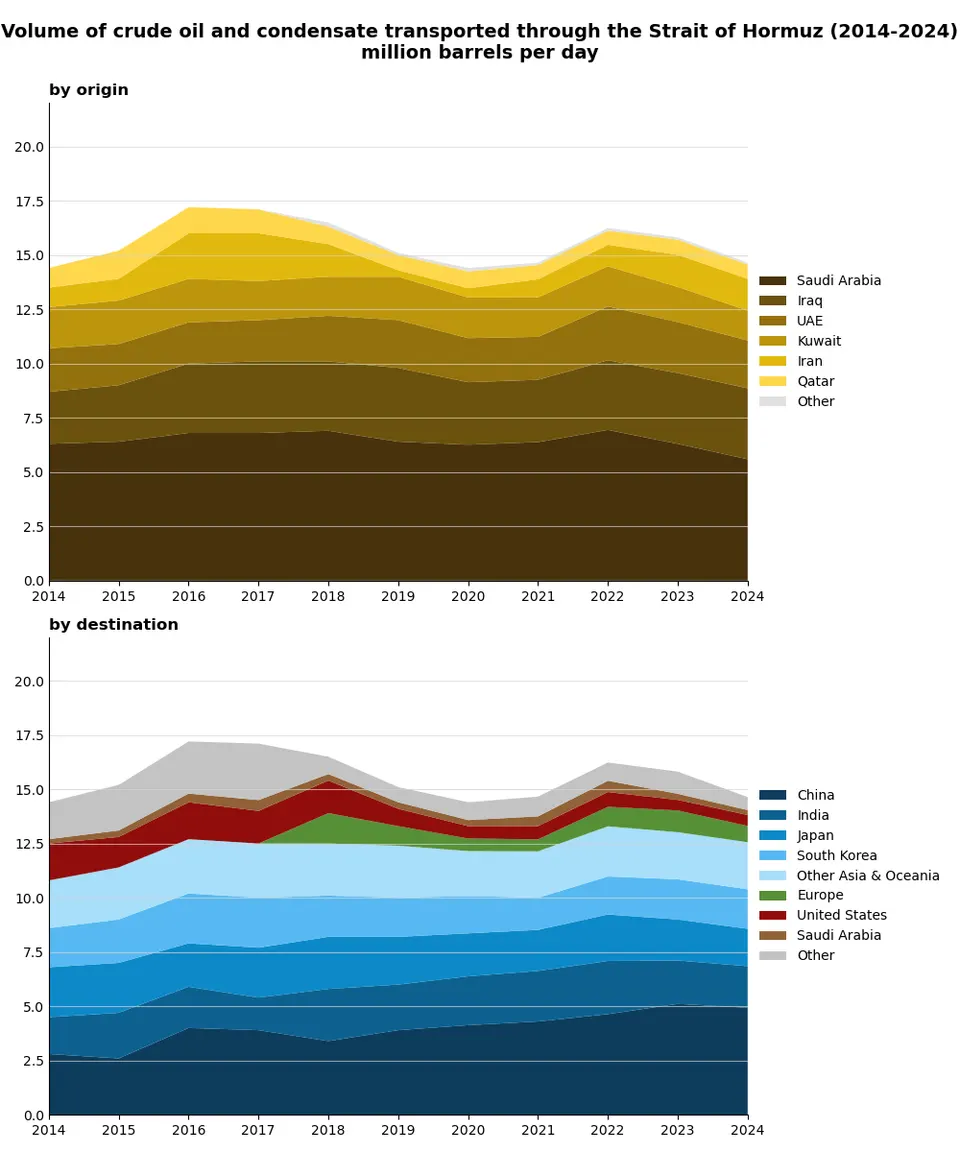
The Strait of Hormuz, a narrow waterway connecting the Persian Gulf to the Gulf of Oman and the Arabian Sea, stands as one of the world's most critical maritime chokepoints. Its strategic location means that a substantial portion of the world's seaborne oil passes through this 21-mile-wide passage daily. This makes it an indispensable artery for global energy supply, directly influencing international oil markets and, by extension, the economic stability of nations worldwide.
Approximately 20% of the world's total petroleum liquids consumption and around one-third of all seaborne oil passes through the Strait of Hormuz. This immense volume underscores its vital role in global energy security. Any disruption or perceived threat to navigation within the Strait can send immediate shockwaves through the global economy, leading to sharp increases in crude oil prices and fueling inflationary pressures across various sectors.
The geopolitical dynamics surrounding the Strait are intensely complex. Tensions between regional powers, particularly Iran, which borders the Strait, and international players, such as the United States, frequently elevate concerns over its security. Events like the "US-Iran Truce Fallout" mentioned in the headline directly impact the perceived risk of transit through Hormuz. Such geopolitical uncertainties can prompt oil traders to factor in higher risk premiums, driving up prices and affecting everything from transportation costs to the value of national currencies, including the Iranian Toman.
Understanding the Strait of Hormuz's role is crucial for grasping the intricate connections between geopolitics, energy markets, and global economic health. It serves as a constant reminder of how regional stability, or the lack thereof, in key strategic locations can have far-reaching economic consequences that resonate from global summits like the G7 to the daily lives of consumers and the stability of national economies.