Hormuz Reopening: Global Oil Prices Tumble as US-Iran Peace Framework Shakes Tehran Markets
بازگشایی هرمز؛ سقوط قیمت جهانی نفت و لرزه بر اندام حباب سکه در بازار تهران
A breakthrough peace framework between the US and Iran has triggered a 4% drop in Brent crude and a massive sell-off in Tehran's gold market. As the Strait of Hormuz prepares to reopen, global energy security finds its first major relief in months.
At time of publishing
USD
171,200
Toman
Gold 18K
17.31M
Toman / gram
Bitcoin
$65,753
US Dollar
Tether
165,399
Toman
The Hormuz Breakthrough and the Global Energy Pivot
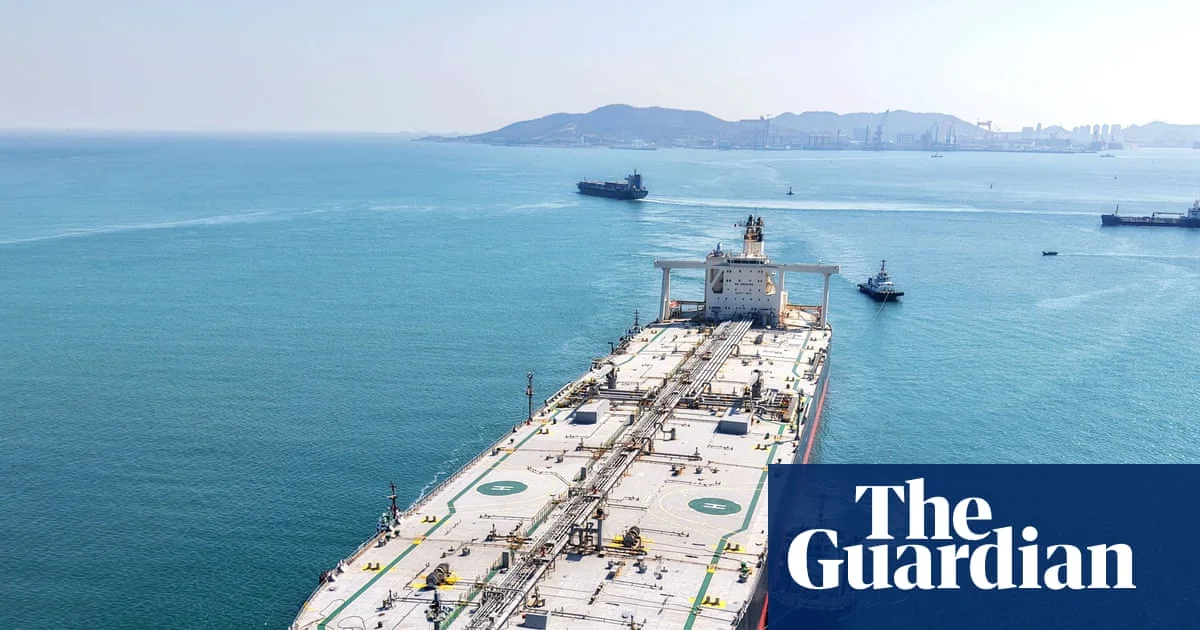
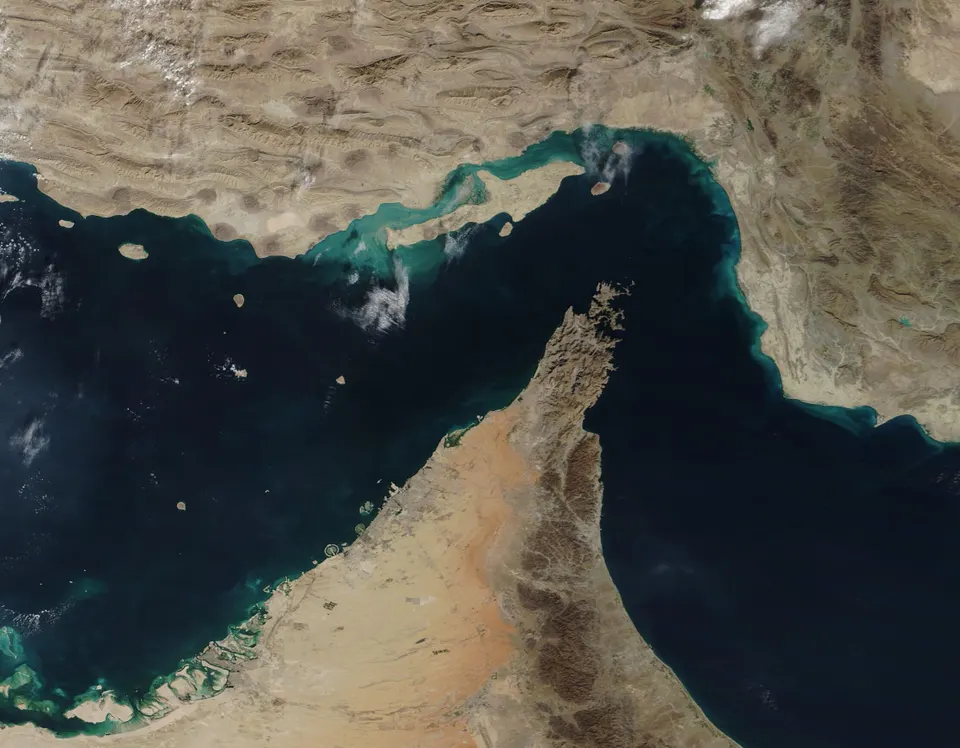
The geopolitical tectonic plates shifted this morning as news broke of a preliminary peace framework between the United States and Iran. The most immediate and visceral reaction came from the energy markets, where Brent crude plummeted by 4%, sliding comfortably below the $84 mark. This sudden de-escalation centers on the reopening of the Strait of Hormuz, the world’s most critical maritime chokepoint. For months, a naval blockade and the looming threat of regional conflict had kept a substantial "war premium" baked into every barrel of oil, but that premium is evaporating as news of the deal spreads through trading floors from Singapore to London.
The deal, while currently described as a "framework," suggests a 60-day ceasefire and a commitment to unfreeze certain Iranian oil funds in exchange for the lifting of the naval blockade on Iranian ports. Already, satellite tracking shows LNG tankers and oil vessels altering course toward the Strait, signaling that the private sector is betting heavily on the durability of this agreement. While the thorniest issues regarding Iran’s nuclear program remain on the long-term agenda, the immediate relief for global supply chains cannot be overstated. For the global economy, which has been teetering on the edge of an energy-induced recession, this breakthrough provides the most significant "breathing room" in years.
Tehran Market Reaction: Gold Crashes as War Premium Fades
Inside Iran, the market reaction has been a complex mix of relief and localized volatility. According to the latest 24-hour data, the US Dollar (USD/IRR) moved from 170,800 to 171,200, a modest increase of 0.2%. However, the real story lies in the gold and coin markets, which have served as the primary barometer for domestic fear. The Emami coin, often used as a hedge against instability, saw a dramatic drop from 175,000,000 to 170,000,000 Toman, a significant -2.9% decline in a single session. This reflects a massive "de-risking" by local investors who are no longer willing to pay the high premiums that were justified when a full-scale conflict seemed imminent.
Gold 18k followed a similar downward trajectory, moving from 17,389,999 to 17,306,431 Toman per gram, a decrease of 0.5%. This divergence—where the dollar remains steady or slightly higher while gold and coins crash—suggests that while the currency market is still waiting for concrete evidence of sanctions relief and central bank intervention, the speculative "bubble" in the gold market is rapidly deflating. For the average Iranian consumer, this could signal a period of relative price stabilization, provided the peace framework holds and the promised unfreezing of oil revenues begins to inject much-needed liquidity into the country's reserves.

Putin’s Paranoia: AI Espionage and the New Cold War
Beyond the Middle East, the ripple effects of regional instability are forcing even global powers like Russia to rethink their internal security. Reports indicate that the Kremlin has recently reinforced its security measures, even temporarily disconnecting high-tech surveillance systems protecting President Putin. This move comes in the wake of the heightened threat posed by AI-driven espionage and video analysis. The recent assassination of Iran’s leadership has reportedly sent shockwaves through Moscow, with security experts like Ksenia Ermoshina noting that "AI paranoia" is now a driving factor in how world leaders manage their physical safety and digital footprints.
This intersection of artificial intelligence and high-stakes geopolitics marks a new era of warfare. It is no longer just about missiles and naval blockades; it is about the ability of autonomous systems to track and identify targets with terrifying precision. As Russia tightens its grip on its own internal security, the global community is watching how these technologies might be deployed or countered during the 60-day ceasefire period between the US and Iran. The technology that once promised to automate our lives is now the primary tool for both enforcing and evading the new world order, making the survival of political leadership a matter of digital as well as physical defense.

Private Capital and the Space Race: SpaceX’s New Backers
Finally, in the world of high finance and space exploration, Australia’s Gina Rinehart has made headlines by acquiring a significant stake in Elon Musk’s SpaceX. This move, coinciding with the broader geopolitical shifts, underscores the continuing trend of private wealth flowing into the "new frontier" of the space economy. As traditional energy markets face volatility and political restructuring, the long-term bets are increasingly being placed on technologies that transcend terrestrial borders. For global investors, the message is clear: while today's headlines are dominated by the reopening of old trade routes like Hormuz, the real future of capital lies in the infrastructure of the next century, where companies like SpaceX are becoming as strategically vital as national oil companies.
Frequently Asked Questions
What are the key terms of the US-Iran peace framework mentioned today?
Why did the price of gold coins drop in Tehran while the USD rose slightly?
How has the oil market reacted to the news of the Strait of Hormuz reopening?
What is the 'AI paranoia' reported in the Kremlin?
The Strait of Hormuz: Why This Narrow Waterway Controls Global Oil Prices
The Strait of Hormuz, a 21‑mile-wide channel between Iran and Oman, is one of the world’s most critical maritime chokepoints. Roughly 20% of daily global oil consumption – about 21 million barrels – passes through its waters, making it a strategic bottleneck for both producers and consumers. When the strait is threatened, whether by military tension, piracy, or a temporary closure, the perceived risk of supply disruption spikes, and oil markets react instantly. Traders price in the possibility of reduced flow by pushing benchmark prices such as Brent and West Texas Intermediate (WTI) higher, even if actual shipments remain unchanged.
The physics of supply and demand amplify this effect. Oil is a globally traded commodity, and its price is set in a few major hubs (London’s Brent, New York’s WTI, Dubai’s Omani). A sudden news flash that a key conduit like Hormuz could be blocked forces market participants to hedge against a potential shortfall. This hedging manifests as futures contracts and spot price jumps, creating a feedback loop where fear fuels price volatility. The 2026 oil price crash mentioned in the headline was triggered not by a collapse in demand but by a rapid de‑escalation of geopolitical risk after the US‑Iran peace framework eased tensions, prompting a swift unwind of those hedges.
Beyond price swings, the strait’s significance touches on energy security. Nations that rely heavily on imported oil – such as Japan, South Korea, and many European states – keep strategic petroleum reserves precisely to buffer against short‑term disruptions in Hormuz. The United States Navy routinely conducts Freedom of Navigation Operations (FONOPs) in the passage to demonstrate that commercial shipping can continue unhindered, reinforcing the principle that no single country can unilaterally control a global supply route.
Historically, the strait has been a flashpoint: during the Iran‑Iraq War (1980‑88) Iran mined the waters, and in 2019 the US‑Iran confrontation led to brief threats of closure. Each episode caused temporary spikes in Brent crude, underscoring the market’s sensitivity to geopolitical risk. Understanding the Strait of Hormuz therefore offers a lens into why oil prices can tumble or surge dramatically on political headlines, even when underlying fundamentals remain stable.
For anyone watching global markets, recognizing the interplay between chokepoints, geopolitical narratives, and commodity pricing is essential. The Hormuz episode of 2026 illustrates how a diplomatic breakthrough can reverse a risk premium, sending oil prices tumbling, while the same waterway can also be a catalyst for price spikes when tensions rise again.