US-Iran Deal Sparks Market Turmoil: Toman Plunges, Oil Dives, Gold Recovers
توافق آمریکا و ایران باعث آشفتگی بازارها شد: تومان سقوط کرد، نفت غواصی کرد، طلا بهبود یافت
A landmark U.S.-Iran deal has sent shockwaves through global markets, leading to a sharp depreciation of the Iranian Toman and a significant drop in oil prices. While cryptocurrencies remain cautious, gold and equities show signs of recovery.
At time of publishing
USD
162,400
Toman
Gold 18K
17.09M
Toman / gram
Bitcoin
$66,184
US Dollar
Tether
162,800
Toman
U.S.-Iran Deal Rattles Markets, Toman Sees Sharp Decline
The much-anticipated U.S.-Iran deal, announced over the weekend and slated for signing on Friday, has triggered significant volatility across financial markets. The Iranian Toman experienced a precipitous drop, moving from 170,800 to 162,400 against the U.S. dollar, marking a 4.9% depreciation in 24 hours. This rapid devaluation suggests a market reaction of uncertainty and perhaps a reassessment of risk associated with the preliminary terms of the agreement, which, according to initial reports, defers the most contentious issues.
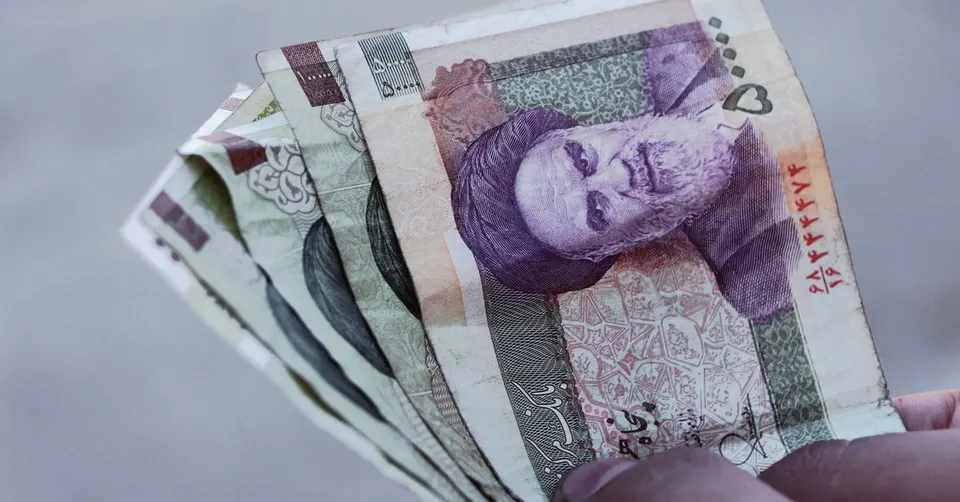
While the specifics of the deal remain under wraps, the market's immediate response points to underlying concerns about the long-term implications for regional stability and sanctions relief. The lack of clarity on key points, such as the full text of the agreement and the timeline for its implementation, has fueled speculative trading. This has directly impacted the confidence of investors and currency traders, leading to capital flight and a weakening of the Toman. The knock-on effects are likely to be felt across various sectors of the Iranian economy, influencing import costs, inflation, and consumer purchasing power.
Oil Prices Tumble as Strait of Hormuz Reopens
Global oil benchmarks experienced a significant downturn as news of the U.S.-Iran deal and the prospective reopening of the Strait of Hormuz broke. Brent Crude prices saw a notable decline, reflecting the market's anticipation of increased supply and reduced geopolitical risk in a crucial shipping lane. This development directly counters the supply constraints that have been a significant factor in oil price inflation over recent months.
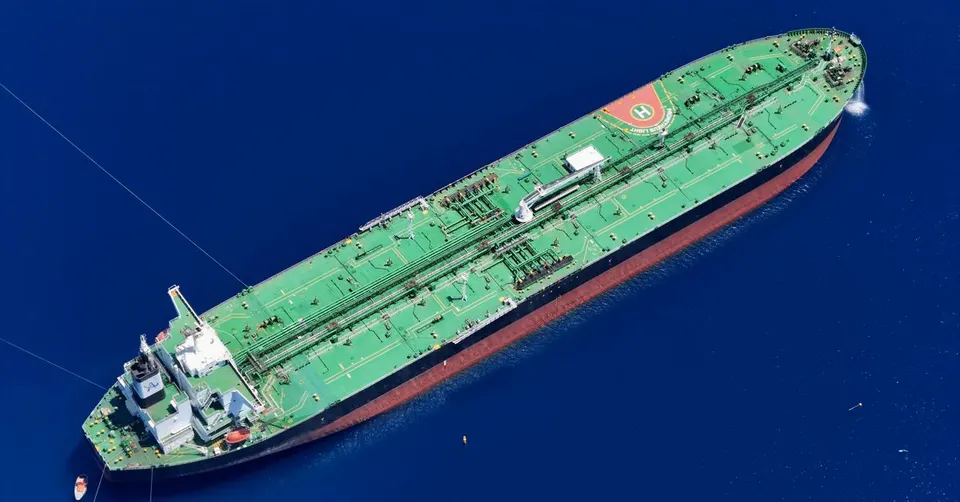
The reopening of the Strait of Hormuz, if confirmed and sustained, promises to ease global energy flows and could potentially dampen inflationary pressures worldwide. However, the market's reaction also highlights the delicate balance of global energy security. China, a major oil consumer, is expected to re-enter the market with increased purchases, which could, paradoxically, reignite some inflationary concerns despite the overall easing of supply. The interplay between increased supply and renewed demand from major economies will be critical in determining the medium-term trajectory of oil prices.
Gold Recovers Amidst Crypto Caution
Gold prices, after an initial dip, showed resilience and began to recover, indicating its traditional role as a safe-haven asset in times of market uncertainty. The Emami coin, a key indicator of the domestic gold market in Iran, fell by 4.0% to 168,000,000 Toman, and 18k gold per gram dropped 1.7% to 17,090,816 Toman, reflecting the broader market's reaction to the U.S.-Iran deal and the Toman's depreciation. However, the U.S. dollar gold ounce price held relatively steady, suggesting a global demand for the precious metal.
In contrast, the cryptocurrency market remained largely cautious. Bitcoin, which had briefly rallied on the news, struggled to maintain its upward momentum, trading around $66,184. Traders appear wary of extrapolating a sustained bullish trend, perhaps recalling past instances where similar geopolitical headlines failed to translate into lasting market gains for digital assets. The skepticism stems from the preliminary nature of the U.S.-Iran deal and the deferral of critical issues, leaving investors hesitant to commit fully.
Geopolitical Ripples: Zelenskyy Condemns Attack, Social Media Bans
Beyond the immediate economic impacts, the geopolitical landscape continues to be shaped by ongoing conflicts and policy shifts. Ukrainian President Zelenskyy has condemned a Russian attack on a UNESCO site in Kyiv, accusing Moscow of deliberate targeting. This incident, which resulted in 11 confirmed deaths and significant damage to the Kyiv-Pechersk Lavra monastery, underscores the continued human cost of the conflict and casts a shadow over diplomatic efforts.

Meanwhile, discussions around digital governance are intensifying globally. Britain announced plans to ban social media access for children under 16 starting in 2027, joining a growing list of countries implementing similar measures. This trend reflects a broader international concern over the impact of social media on youth and the broader societal implications of unregulated digital platforms. These developments highlight the complex and multifaceted challenges facing global leaders, from resolving protracted conflicts to navigating the evolving digital frontier.
Watch
Iran's deputy FM confirms deal with US to end the war, including in Lebanon
Associated Press
Frequently Asked Questions
What is the current exchange rate of USD to IRR?
How has the U.S.-Iran deal affected oil prices?
What is the market sentiment towards cryptocurrencies following the U.S.-Iran deal?
What was the impact on gold prices?
Are there any other significant geopolitical events mentioned?
Safe-Haven Assets: Gold's Enduring Role in Times of Turmoil
When geopolitical events like a US-Iran deal send ripples through global markets, causing currencies to plunge and oil prices to fluctuate, one asset often shines: gold. This phenomenon highlights the crucial role of safe-haven assets in investment portfolios. A safe-haven asset is an investment that is expected to retain or even increase in value during periods of market turbulence, economic downturns, or geopolitical instability, offering a refuge for capital when other assets are faltering.
Investors flock to safe havens primarily to protect their capital from depreciation. These assets typically have a low correlation with riskier investments like stocks or commodities, meaning their prices tend to move independently or even inversely during crises. The appeal lies in their perceived stability and reliability when the broader economic outlook is uncertain, acting as a financial anchor in stormy seas.
Historically, gold has been the quintessential safe-haven asset, revered for its intrinsic value, liquidity, and universal acceptance. Its limited supply and status as a physical commodity, not tied to any single government or corporation, make it a reliable store of value. Other traditional safe havens include certain highly-rated government bonds (like US Treasuries or German Bunds) and strong, stable currencies such as the Japanese Yen or Swiss Franc. More recently, cryptocurrencies like Bitcoin have been debated as potential digital safe havens, though their high volatility often makes this claim contentious.
In the context of a US-Iran deal sparking market turmoil, the recovery of gold prices is a classic illustration of this principle. As the political landscape shifts and creates uncertainty around regional stability, oil supply, or currency values (like the Iranian Toman), investors quickly reallocate funds from potentially volatile assets into gold. This increased demand drives up gold's price, demonstrating its enduring role as a trusted sanctuary for wealth when the world feels unpredictable. Understanding safe-haven assets is key to comprehending investor behavior during times of crisis and geopolitical flux.