US-Iran Deal Sparks Lebanon Uncertainty; Crypto Winter Eyed Over; Toman Tumbles
توافق آمریکا و ایران؛ سرنوشت لبنان مبهم؛ زمستان رمزارزها به پایان میرسد؟؛ تومان سقوط کرد
A new US-Iran agreement has ostensibly reopened the Strait of Hormuz, but details remain scarce, leaving Lebanon's future uncertain. Meanwhile, Standard Chartered suggests the crypto winter may be over, while the Iranian Toman experienced a significant 24-hour decline.
At time of publishing
USD
161,900
Toman
Gold 18K
17.08M
Toman / gram
Bitcoin
$66,843
US Dollar
Tether
162,601
Toman
US-Iran Deal Casts Shadow Over Lebanon's Future
A significant, albeit vaguely detailed, agreement between the United States and Iran has been announced, with one of its purported outcomes being the reopening of the Strait of Hormuz. However, the ramifications of this deal are far from clear, particularly concerning Lebanon. While Iran has claimed the agreement extends to de-escalating conflicts in Lebanon, no concrete details have been made public. This ambiguity has left the nation's fate hanging precariously, with Israel indicating its forces will maintain their presence regardless.
This lack of transparency fuels speculation and concern. For Iran, the deal offers a potential avenue for sanctions relief and economic stabilization, which could indirectly impact the Toman's trajectory. However, the omission of specific provisions regarding Lebanon raises questions about the true scope and durability of the US-Iran framework. The situation underscores a recurring pattern where broader geopolitical understandings fail to translate into clear, localized outcomes, leaving regional actors and populations in a state of heightened uncertainty.

---
Israel's Strategy Against Iran Deemed a Failure Amidst New Deal
Reports suggest that Israel's long-standing strategy aimed at countering Iran's influence and nuclear ambitions has fallen short, particularly in light of the recent US-Iran framework agreement. Sources indicate that the deal, while potentially easing tensions, appears to have omitted several key provisions that Israel had advocated for, leaving its core objectives unmet. This assessment implies a significant strategic miscalculation or a shift in US priorities that sidelines Israeli concerns.
The failure of Netanyahu's Iran strategy, as described, points to a complex geopolitical landscape where direct confrontation or isolation tactics may be proving less effective than anticipated. The new agreement, even with its unspecified details concerning Lebanon, represents a different approach, one that seems to prioritize de-escalation and potential economic concessions over the stringent containment Israel had sought. This shift could have profound implications for regional security dynamics and Iran's future posture.
---
Standard Chartered Declares End to Crypto Winter, Toman Plummets
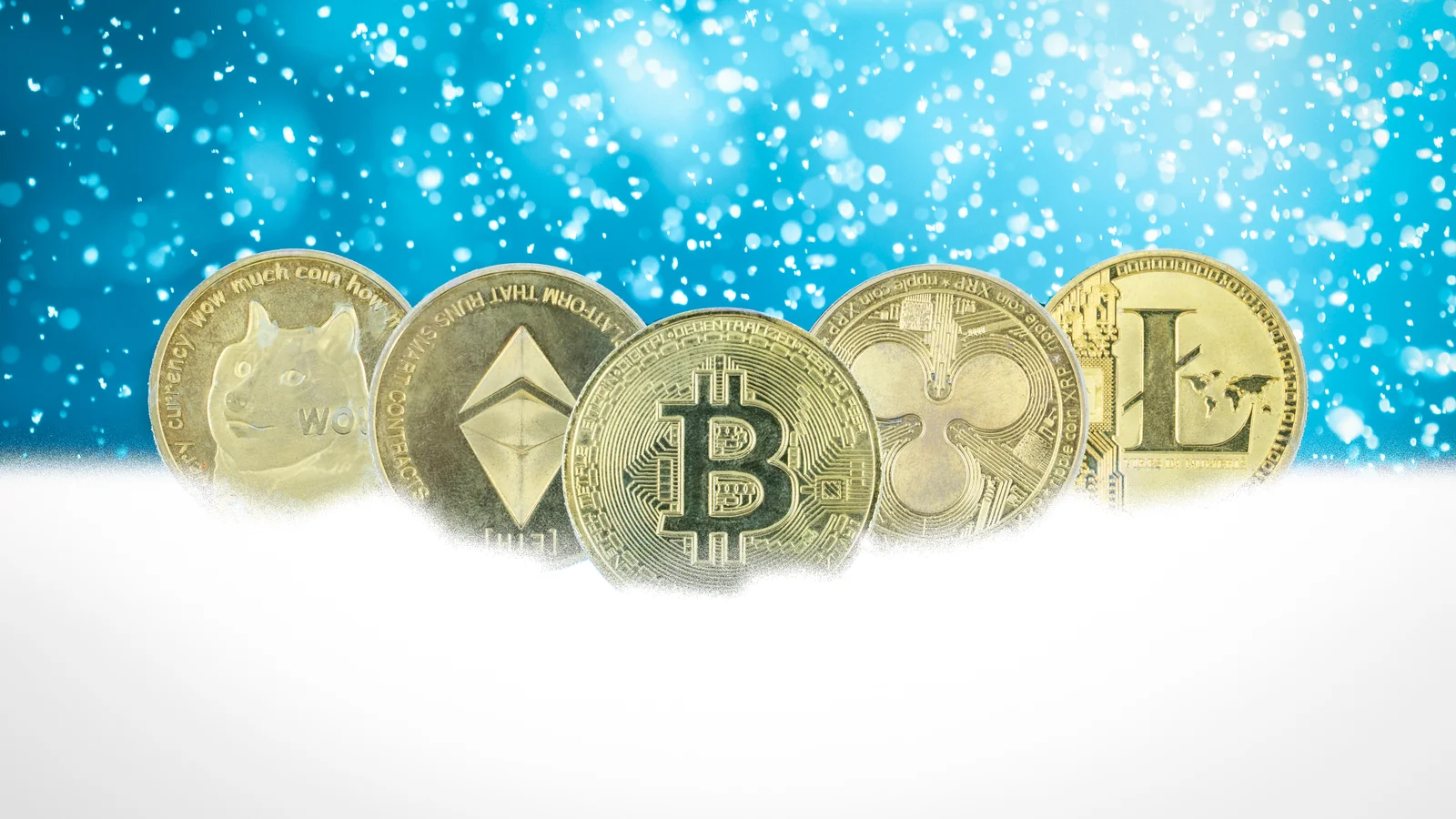
In a potentially significant development for the digital asset market, Standard Chartered has issued a statement suggesting that the prolonged crypto winter may finally be over. The bank's analysis points to the lifting of several key market overhangs, including the resolution of the Iran conflict, the anticipated SpaceX IPO, and a halt in ETF outflows. This optimistic outlook, if it proves accurate, could signal a renewed period of growth and stability for cryptocurrencies.
Conversely, the Iranian Toman has experienced a sharp decline. Data shows the USD sell rate moving from 170,800 to 161,900, a drop of 5.2% in the last 24 hours. This significant depreciation, alongside a similar fall in the price of Emami coins (-4.6%) and 18k gold grams (-1.8%), suggests considerable economic pressure within Iran. The contrast between the global crypto outlook and the domestic currency's performance highlights the divergent economic forces at play, with the Toman's weakness likely linked to broader geopolitical uncertainties and potential sanctions-related concerns despite the new US-Iran agreement.

---
Trump's Iran Deal: A Win with Lingering Questions
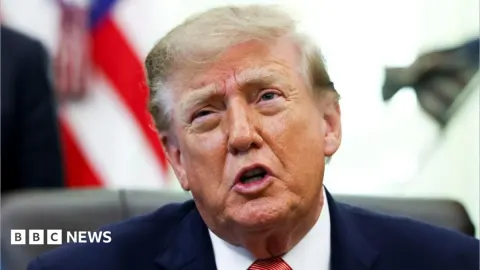
Former US President Donald Trump is reportedly celebrating a significant win with the recent US-Iran agreement, which he claims will facilitate the reopening of the Strait of Hormuz and provide much-needed economic relief. This narrative positions the deal as a diplomatic success that directly addresses critical global energy chokepoints and offers a pathway to easing international economic pressures. The emphasis is on tangible outcomes that could resonate positively with both domestic and international audiences.
However, the agreement remains conspicuously incomplete, with key aspects, particularly Iran's nuclear program, still subject to ongoing negotiations. This suggests that while the immediate crisis concerning the Strait of Hormuz may be addressed, the broader, more complex issues underpinning US-Iran relations persist. The success of this deal will ultimately be measured not just by the opening of shipping lanes but by the resolution of more profound strategic challenges and the long-term stability it fosters in a volatile region.
Watch
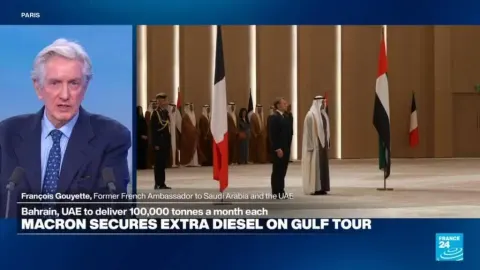
US, Iran reach preliminary agreement to end war • FRANCE 24 English
FRANCE 24 English
Frequently Asked Questions
What is the current status of the US-Iran agreement regarding Lebanon?
What does Standard Chartered's statement about the crypto winter mean for investors?
How has the Iranian Toman performed in the last 24 hours?
What are the main points of contention remaining in the US-Iran deal?
How does Israel view the recent US-Iran agreement?
Understanding Geopolitical Risk: How Global Politics Shapes Your Wallet
Geopolitical risk refers to the possibility of political events, international relations, or conflicts impacting financial markets, economies, and business operations. It encompasses a wide array of factors, from diplomatic tensions and trade disputes to regional conflicts and changes in government policies. The recent news headline, linking a potential US-Iran deal, instability in Lebanon, and the tumbling Iranian Toman, perfectly illustrates how interconnected global politics and economics are. Such events don't just affect the nations directly involved; they send ripples across international markets, influencing everything from oil prices to investor confidence.
When geopolitical tensions escalate or new agreements are forged, uncertainty becomes the dominant sentiment. For instance, an agreement or disagreement between major powers like the US and Iran can significantly alter the geopolitical landscape of the Middle East. This directly impacts countries like Lebanon, which are often caught in the crosscurrents of regional power struggles, leading to domestic political and economic instability. Investors, wary of potential disruptions to trade routes (like the Strait of Hormuz, crucial for oil shipments) or the stability of a region, tend to pull capital from perceived risky assets and seek safe havens.
This flight to safety often manifests in currency depreciation for nations directly affected, as seen with the Iranian Toman. Foreign investors may withdraw funds, and domestic citizens might convert their local currency into more stable foreign currencies or assets like gold, further exacerbating the Toman's decline. Conversely, assets perceived as safe, such as gold, often see their prices rise during periods of heightened geopolitical risk. Understanding geopolitical risk is therefore crucial for anyone trying to decipher global economic trends, as it often acts as a powerful, underlying force shaping market movements and national economic fortunes.