Hormuz 'Toll' Dispute Emerges as Toman Rallies 7%; Trump Claims Victory at G7
جنجال «عوارض» هرمز در بحبوحه سقوط ۷ درصدی دلار؛ ترامپ در اجلاس G7 پیروزی خود را اعلام کرد
A diplomatic rift over maritime fees in the Strait of Hormuz threatens to complicate the US-Iran peace framework, even as the Toman surges 7% and oil prices retreat. While Trump declares the deal 'all signed,' Tehran insists on its right to charge service fees on transiting vessels.
At time of publishing
USD
158,600
Toman
Gold 18K
16.67M
Toman / gram
Bitcoin
$66,646
US Dollar
Tether
160,907
Toman
The 'Toll' vs. 'Fee' Standoff at Hormuz
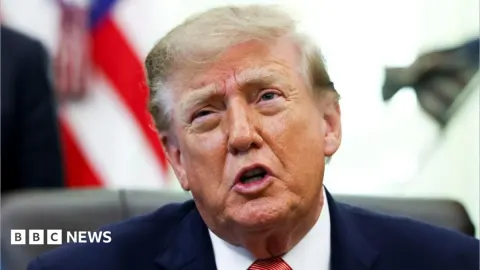
As the world prepares for the formal signing of the US-Iran peace framework in Switzerland this Friday, a significant technical dispute has emerged regarding the Strait of Hormuz. President Donald Trump, arriving at the G7 summit in France, declared the deal "all signed" and insisted the waterway would be open and toll-free. However, the Iranian Foreign Ministry quickly issued a clarifying statement, asserting that while formal "tolls" might be off the table, Tehran intends to exercise its right to charge "maritime service fees" on all transiting vessels. This semantic distinction carries heavy weight, as it touches on Iranian sovereignty and the potential for long-term revenue generation from one of the world's most vital energy arteries.
For the global markets, this friction is a reminder that the path to normalization is rarely a straight line. US officials, including JD Vance, have signaled that these technical details will be ironed out in upcoming negotiations involving Iranian Speaker Mohammad Bagher Ghalibaf and Foreign Minister Abbas Araghchi. For the average observer, this means that while the immediate threat of a blockade has vanished, the cost of doing business in the Persian Gulf may remain higher than in the pre-war era. The markets are currently pricing in a successful resolution, but any breakdown in these "technicalities" could see a swift return of the risk premium.
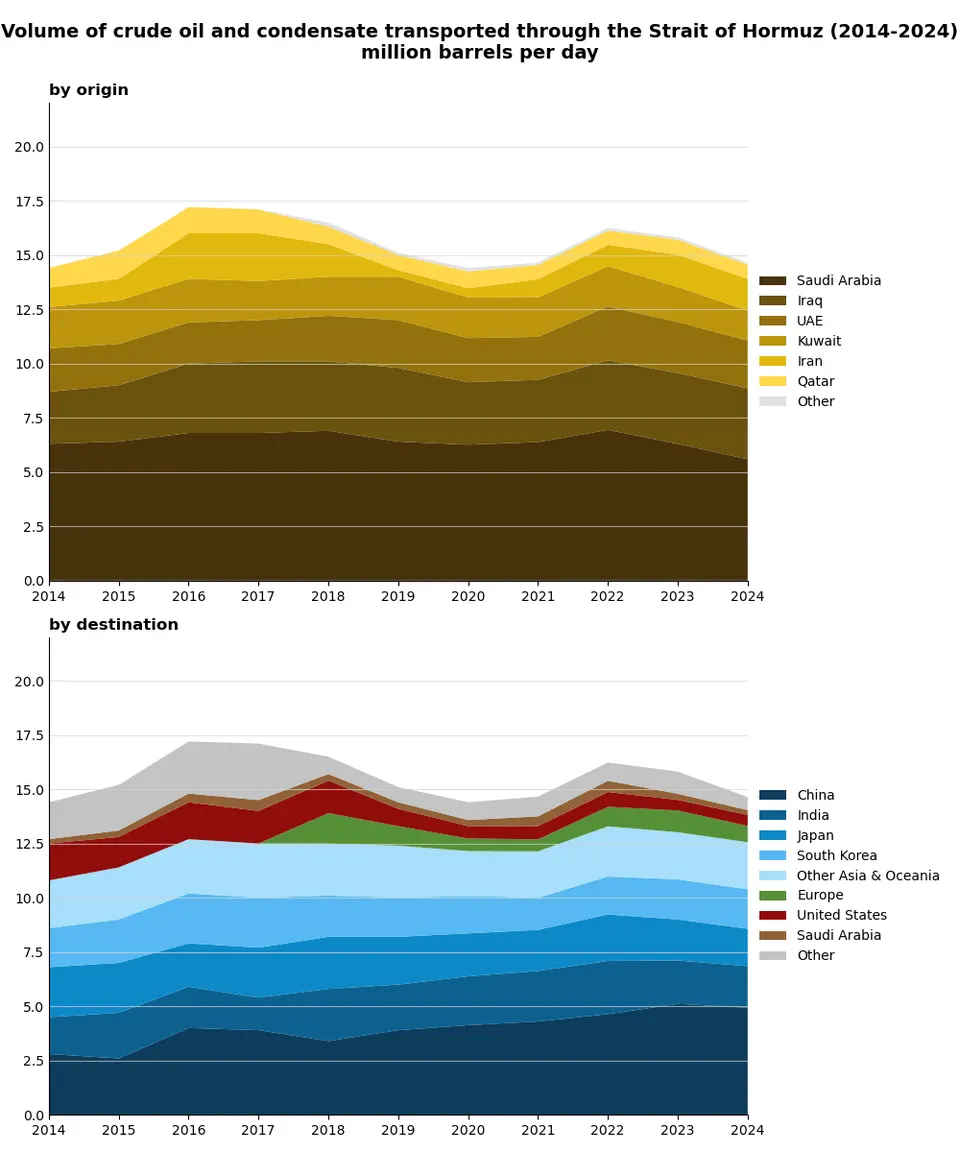
Oil Prices and the Long Road to $67
Despite the breakthrough, energy analysts at MarketWatch and JP Morgan warn that consumers shouldn't expect an immediate return to the cheap energy of years past. While oil prices plummeted following the announcement, experts suggest it could take years for crude to return to a stable $67 per barrel. The primary culprits are the massive disruptions in global supply chains and the astronomical shipping insurance costs that spiked during the conflict. JP Morgan’s Karen Ward noted that while falling oil prices are a "massive tailwind" for global stock markets—potentially allowing central banks to cut interest rates—the physical reality of moving oil from Hormuz to Houston remains complex and expensive.
In the United States, retail gasoline prices are hovering just above the $4-per-gallon mark, a psychologically sensitive level for the American public. The Biden-era energy policies and the subsequent Trump-led shifts have left the market in a state of flux. While the reopening of Hormuz is a definitive win for energy security, the structural damage to the regional infrastructure and the shift toward American-sphere energy exports mean the Middle East's share of the global flow has fundamentally changed. This shift is permanent; even with a peace deal, the U.S. has ramped up its own dirty tanker shipments to record highs, filling the void left by months of Persian Gulf instability.
Toman Rallies as Geopolitical Friction Persists
The Iranian domestic market has reacted with a massive "peace dividend" rally. In the last 24 hours, the USD/IRR rate has experienced a dramatic correction, moving from 170,800 down to 158,600, representing a 7.1% gain for the national currency. Gold has followed suit, with 18k gold dropping 4.1% to 16,672,284 Toman per gram, while the Emami coin fell 4.6% to 167,000,000 Toman. This surge in the Toman’s value reflects a desperate optimism among local investors who are betting on the lifting of sanctions and the resumption of normal trade. However, the volatility remains high, and the market is essentially holding its breath for the June 19 signing ceremony.
While the economic outlook brightens, the geopolitical landscape remains fraught. In Israel, the government of Benjamin Netanyahu is facing intense public anger, with Defense Minister Israel Katz stating that military forces will not withdraw from seized territories in southern Lebanon despite the US-Iran framework. This disconnect between the Washington-Tehran deal and the reality on the ground in Lebanon creates a fragile environment. Furthermore, the G7 summit has been overshadowed by internal US politics, as California Governor Gavin Newsom accused Donald Trump of weaponizing the Department of Justice against him. For the global observer, these stories highlight that while a major war may be ending, the era of domestic and regional political instability is far from over.

Frequently Asked Questions
What is the difference between a 'toll' and a 'maritime service fee' in the Strait of Hormuz?
Why is the Toman rallying so significantly before the deal is officially signed?
How is Israel reacting to the US-Iran peace framework?
Why the Strait of Hormuz Matters: A Global Oil Chokepoint
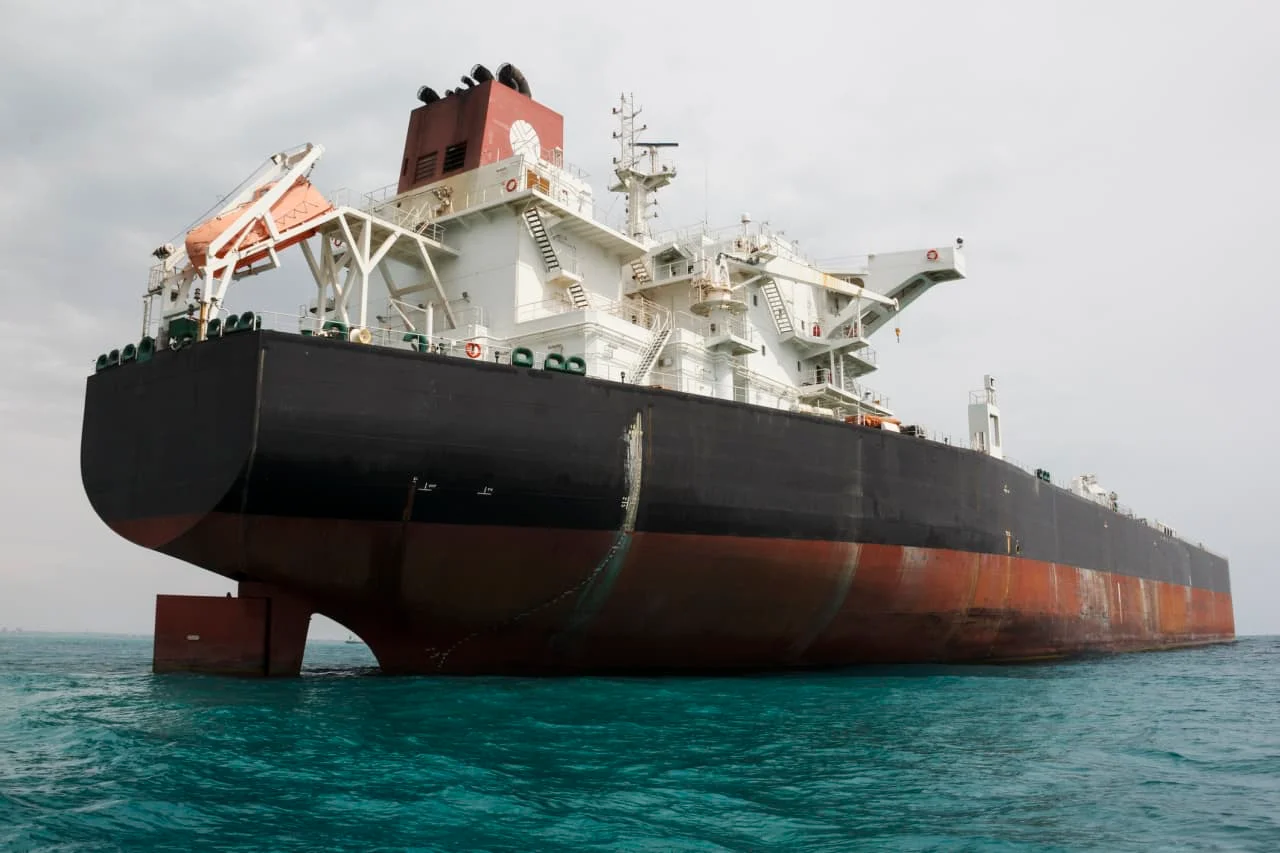
The Strait of Hormuz, a narrow waterway between Iran and Oman, is one of the world’s most critical maritime chokepoints. Roughly 20% of global petroleum—about 21 million barrels per day—passes through this 21‑mile stretch, making any disruption a direct lever on oil prices. Because the strait links the Persian Gulf’s massive oil‑producing fields with the open ocean, even a brief closure can trigger sharp spikes in benchmark prices such as Brent and WTI, as traders price in the risk of supply shortages.
Geopolitically, the strait sits at the intersection of regional rivalries and great‑power interests. Iran’s ability to levy maritime service fees—or, in extreme cases, threaten to block traffic—has historically been used as a bargaining chip in negotiations, most recently during the 2026 US‑Iran peace talks. When Iran signals a willingness to reopen the passage, markets often respond positively, as seen in the recent 7% rally of the Iranian toman, reflecting investor optimism that trade flows and oil revenues will stabilize.
The economic mechanism behind a chokepoint’s influence is straightforward: supply constraints raise the marginal cost of transporting oil, which is passed on to consumers worldwide. Shipping companies also factor in higher insurance premiums and potential rerouting costs, further inflating the price of crude. Analysts therefore watch Hormuz closely when forecasting oil prices for 2026, using the strait’s status as an input in models that estimate price volatility under different geopolitical scenarios.
Beyond oil, the strait’s fees and regulations affect other commodities and even the valuation of regional assets, such as Iran’s Emami coin, which saw a price drop after speculation about renewed maritime tensions. Understanding how a single narrow channel can ripple through exchange rates, commodity markets, and diplomatic negotiations highlights the broader importance of maritime chokepoints in the global economy.