Cuba Tourism Plummets Amid US Sanctions; Trump Claims Iran Deal 'All Signed'
گردشگری کوبا در پی فشارهای آمریکا سقوط کرد؛ ترامپ مدعی شد توافق ایران 'امضا شده است'
Cuba's vital tourism sector has seen a drastic 58% decline in foreign visitors, a direct consequence of intensified US sanctions and an effective oil blockade. Meanwhile, former US President Donald Trump has claimed a comprehensive deal with Iran is 'all signed' and that the Strait of Hormuz will be 'completely open' by Friday, though details remain scarce.
At time of publishing
USD
156,100
Toman
Gold 18K
16.41M
Toman / gram
Bitcoin
$66,372
US Dollar
Tether
157,059
Toman
Cuba Tourism Collapses Under US Pressure
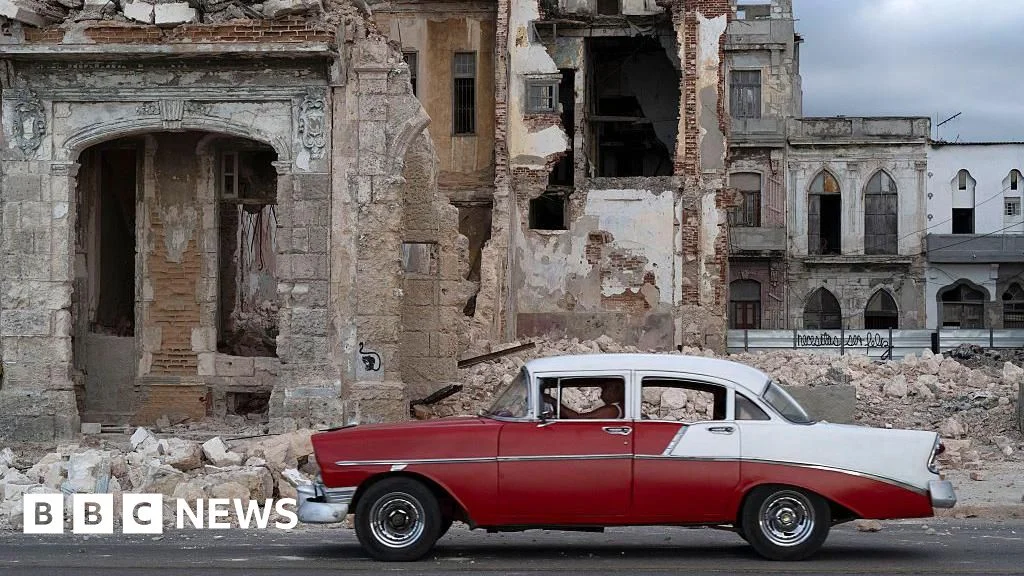
Cuban officials have reported a staggering 58% drop in foreign tourist arrivals compared to the previous year, a sharp downturn that is severely impacting the island nation's economy. This collapse is directly attributed to an intensified US pressure campaign, which includes sweeping sanctions and an effective blockade on oil supplies. These measures have not only deterred international travel to Cuba but have also created significant logistical and economic challenges for the country, which relies heavily on tourism for foreign currency.
The implications for Cuba are dire, threatening to exacerbate existing economic hardships and potentially leading to increased social unrest. The reduction in visitor numbers directly translates to lost revenue for hotels, restaurants, transportation services, and countless small businesses that form the backbone of the Cuban economy. This situation underscores the potent impact of targeted US foreign policy on developing nations, highlighting how economic levers can be used to exert significant political pressure, even at the cost of widespread economic damage.
---
Trump Claims Iran Deal 'All Signed,' Strait of Hormuz to Reopen
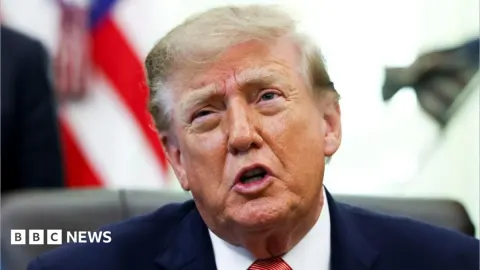
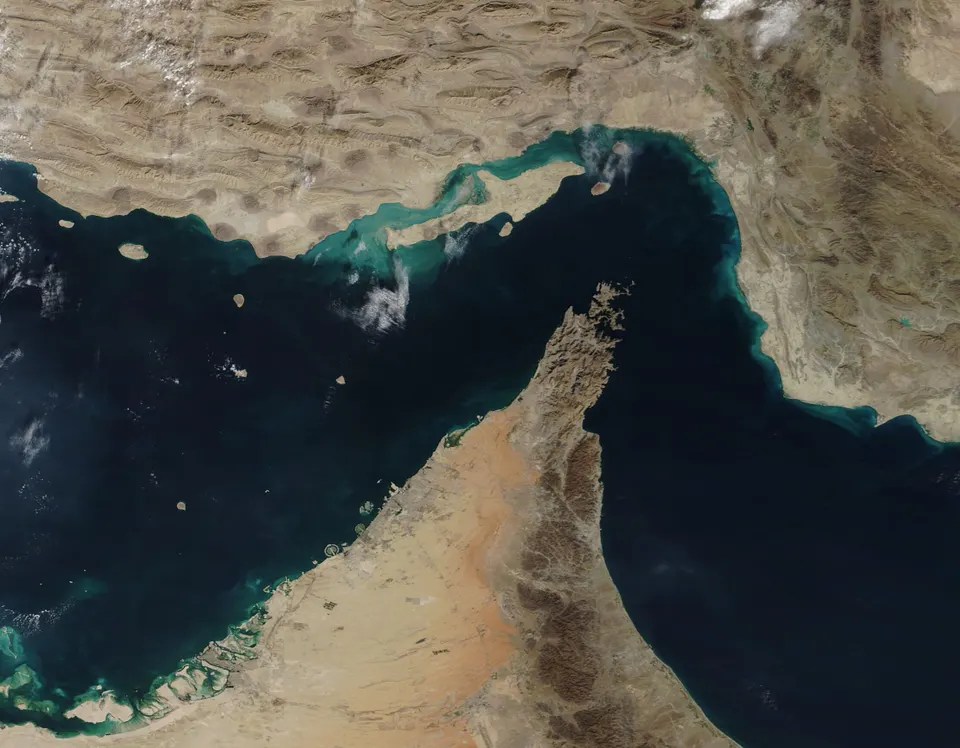
Former US President Donald Trump has announced that a comprehensive deal with Iran has been 'all signed,' and crucially, that the Strait of Hormuz will be 'completely open' by Friday. Speaking at the G7 summit in France, Trump stated that Iran will not obtain nuclear weapons, a key objective he claims was central to the agreement. He further suggested that the market would react positively, predicting a plummeting oil price and a soaring stock market as a direct result of this purported diplomatic breakthrough.
However, the specifics of this 'signed' deal remain notably absent from public discourse. US officials have offered conflicting timelines regarding the reopening of the Strait of Hormuz, with some indicating it could take longer than Trump's Friday deadline for shipping to return to pre-war levels. The Iranian foreign ministry's spokesperson has not yet provided a detailed confirmation, adding to the ambiguity. This lack of transparency raises questions about the actual substance of the agreement and its immediate feasibility, particularly for the shipping industry which remains cautious.

---
Global Shipping Remains Wary of Strait of Hormuz Despite Deal Hopes
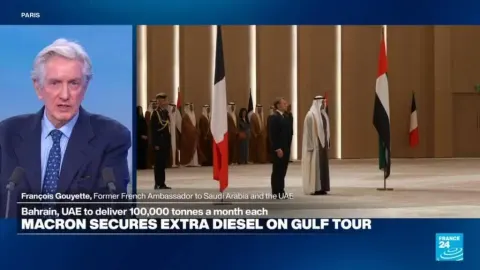
Despite the optimistic pronouncements from former US President Donald Trump regarding the reopening of the Strait of Hormuz, the world's largest tanker operators are exercising significant caution. Jotaro Tamura, CEO of Mitsui O.S.K. Lines, the largest international tanker operator, stated that companies will not rush back into the critical waterway until a 'material' agreement is reached and robust safety guarantees are in place. This measured approach highlights the industry's deep-seated concerns about the volatile geopolitical situation in the region.
The cautious stance from major shipping firms like Mitsui O.S.K. Lines is a pragmatic response to the lingering uncertainties surrounding the Iran-US situation. While the prospect of a reopened Strait of Hormuz is a significant development, the practicalities of resuming normal shipping operations involve more than just a declaration of peace. Insurers, security forces, and the shipping companies themselves require concrete assurances of safety and stability before committing significant resources to navigating the Strait. This means that even with a potential diplomatic breakthrough, a full return to pre-conflict shipping volumes could still face considerable delays.
---
Bank of Japan Raises Rates Amidst Inflationary Pressures
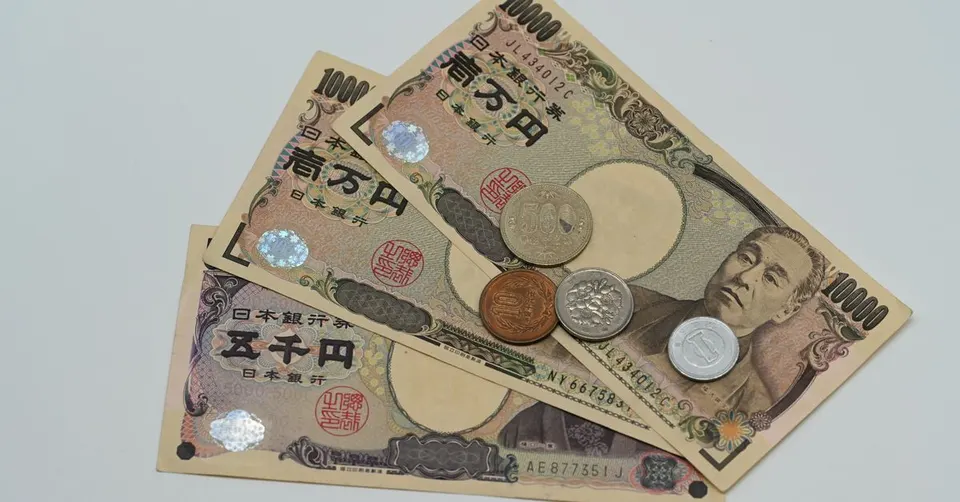
The Bank of Japan (BoJ) has raised its key interest rate to 1% from 0.75%, marking a 31-year high for the policy rate. This move comes as the central bank attempts to combat rising inflation, which has been exacerbated by the ongoing conflict involving Iran and its impact on global oil prices. The BoJ noted that companies are increasingly passing on higher energy costs to consumers and each other, indicating a broad-based inflationary trend that requires monetary tightening.
This decision by the Bank of Japan stands in contrast to the monetary policy stance of other major central banks, such as the US Federal Reserve and the Bank of England, which are expected to hold their rates steady. The BoJ's proactive approach signals a strong commitment to price stability, even as it navigates the complex economic fallout from regional conflicts. The effectiveness of this rate hike in controlling inflation, particularly given the persistent impact of energy prices, will be closely watched by global markets.
Frequently Asked Questions
What is the current state of tourism in Cuba?
What did Donald Trump claim regarding Iran?
How is the global shipping industry reacting to the news about the Strait of Hormuz?
What action did the Bank of Japan take regarding interest rates?
What are the economic implications of the US pressure campaign on Cuba?
Understanding Economic Sanctions
Economic sanctions are punitive measures imposed by one country or a group of countries on another to achieve specific political or economic objectives. These tools of foreign policy are designed to pressure target nations by inflicting economic hardship, thereby compelling them to alter their behavior, policies, or even their leadership. Sanctions can take many forms, ranging from comprehensive trade embargoes that restrict nearly all commerce, to more targeted measures like asset freezes on specific individuals or entities, travel bans, and restrictions on financial transactions.
The mechanism through which sanctions operate is multifaceted. For instance, trade embargoes prevent goods and services from flowing into or out of the sanctioned country, disrupting its economy and access to essential resources. Financial sanctions, such as those imposed on Iran or Cuba by the US, can sever a nation's access to the international banking system, making it difficult to conduct trade, receive investments, or even process remittances. In the case of Cuba's tourism, US sanctions often include restrictions on American citizens traveling to the island and limitations on financial transactions, directly contributing to a plummet in visitor numbers and associated revenue.
While the stated goals of sanctions often include promoting democracy, human rights, or preventing proliferation, their effectiveness is a subject of ongoing debate. Critics argue that sanctions frequently harm the general population more than the intended political elite, leading to humanitarian crises and fostering resentment. They can also inadvertently strengthen authoritarian regimes by creating a siege mentality and limiting external influences. Furthermore, sanctions can push sanctioned countries to seek alternative trading partners and develop parallel financial systems, potentially undermining the long-term efficacy of the sanctions and reshaping global alliances.
Beyond their direct impact on the target country, economic sanctions can have significant ripple effects on the global economy. They can disrupt international supply chains, particularly when major shipping routes like the Strait of Hormuz are involved in geopolitical tensions exacerbated by sanctions. Such disruptions can lead to increased commodity prices, affect global trade volumes, and even influence the monetary policies of central banks, like the Bank of Japan, as they grapple with inflationary pressures or economic slowdowns stemming from international instability.