Belgrade Shooter's Parents Jailed; Middle East Ceasefire Hopes Rise Amid Hormuz Crisis
والدین تیرانداز بلگراد زندانی شدند؛ امید به آتشبس در خاورمیانه در بحبوحه بحران هرمز
In a significant development, the parents of Serbia's teenage school shooter have been handed jail terms in a retrial, while Middle East tensions see President Trump calling for a complete ceasefire. Meanwhile, the ongoing crisis in the Strait of Hormuz continues to reshape global trade and drive up shipping costs.
At time of publishing
USD
155,700
Toman
Gold 18K
15.98M
Toman / gram
Bitcoin
$62,726
US Dollar
Tether
157,567
Toman
Belgrade Shooter's Parents Jailed in Retrial
The parents of the 13-year-old boy who committed a horrific school shooting in Belgrade have been sentenced to jail in a retrial, marking a significant step in the legal aftermath of the tragedy. The boys' parents, who were previously cleared of blame, now face custodial sentences for allegedly failing to properly secure the firearm used in the attack at Vladislav Ribnikar school, which claimed the lives of nine people in May 2023. This retrial and subsequent sentencing underscore the evolving legal and societal expectations regarding parental responsibility in preventing youth violence, particularly concerning access to weapons.
This development is crucial for understanding the broader discourse around gun control and accountability. The initial acquittal had sparked public outcry, and the retrial reflects a societal demand for justice and stricter adherence to safety protocols. For Iran, while geographically distant, such legal precedents can influence domestic discussions on child welfare and the consequences of negligence, potentially impacting public perception and policy considerations in similar sensitive cases. The focus remains on the long road to recovery for the victims' families and the community grappling with such profound loss.
Trump Urges Middle East Ceasefire Amid Escalating Tensions
US President Donald Trump has publicly called for a 'complete ceasefire on all fronts' in the Middle East, explicitly mentioning Lebanon, Hezbollah, and Israel, in a move that signals a potential shift in American diplomatic strategy. This intervention comes amid heightened regional instability and follows reports of direct communication between Trump and Israeli Prime Minister Benjamin Netanyahu, where the US President reportedly urged restraint. The president's statement also appears to encourage regional nations to 'maintain commitment to allowing our negotiations to beautifully unfold,' hinting at ongoing, albeit delicate, diplomatic efforts.
Trump's call for de-escalation, coupled with his administration's focus on facilitating 'negotiations,' suggests a desire to manage the complex geopolitical landscape without direct military escalation. This approach, if successful, could alleviate immediate pressures on global energy markets and potentially reduce the risk premium associated with regional conflicts. For Iran, such statements from the US President could be interpreted in various ways: as an opportunity to advance diplomatic channels and ease sanctions, or as a strategic maneuver that requires careful navigation. The market's reaction will be closely watched, particularly regarding its impact on oil prices and currency stability.
Hormuz Crisis Reshapes Global Trade, Shipping Costs Soar
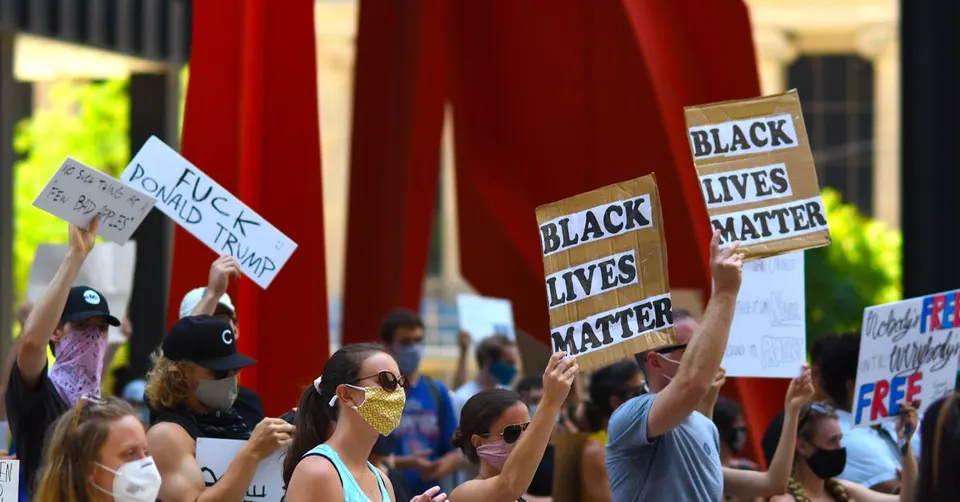
The ongoing crisis in the Strait of Hormuz has significantly disrupted global shipping routes, leading to a dramatic surge in transportation costs and forcing a recalutation of international trade dynamics. Increased geopolitical risks in the region have compelled shippers to reroute vessels, avoid the vital waterway, or invest in enhanced security measures, all of which contribute to higher operational expenses. This situation is exacerbated by the upcoming July 1st implementation of additional fuel costs and potential US tariffs, prompting an early peak in cargo shipping seasons as businesses rush to import goods before these increases take effect.
The ripple effects of this crisis extend far beyond the immediate shipping industry. Soaring freight costs translate directly into higher prices for imported goods, fueling inflationary pressures worldwide. For economies heavily reliant on imports, such as Iran, this translates into increased costs for essential commodities and a potential strain on consumer budgets. The crisis also highlights the vulnerability of global supply chains to geopolitical events, underscoring the need for diversification and resilience. The rising costs in the Strait of Hormuz serve as a stark reminder of how regional conflicts can have far-reaching economic consequences, impacting everything from consumer prices to international investment sentiment.
Toronto Consulate Shooting Suspect Arrested
Authorities have apprehended a 19-year-old suspect in connection with a shooting incident at a consulate in Toronto, a development that has raised security concerns and prompted an investigation into the motives behind the attack. The arrest followed a police raid on an apartment building, which unfortunately resulted in a shootout that led to the death of an officer and injuries to another suspect. The apprehension of the teenager at Toronto Pearson International Airport marks a critical turning point in the case, allowing investigators to gather more information about the circumstances and potential accomplices.
This incident, while localized, carries broader implications for diplomatic security and international relations. The targeting of a consulate can signal underlying political tensions or extremist ideologies, necessitating a thorough examination of the suspect's background and connections. For global markets and political observers, such events contribute to an overall climate of uncertainty, potentially impacting investor confidence and reinforcing the need for robust security measures around diplomatic facilities worldwide. The ongoing investigation will be crucial in understanding the full scope of the threat and preventing future incidents.
Frequently Asked Questions
What is the latest legal development regarding the Belgrade school shooter?
What is President Trump's stance on the Middle East crisis?
How is the crisis in the Strait of Hormuz affecting global trade?
What is the update on the Toronto consulate shooting?
What is the implication of the rising shipping costs for Iran?
The Strait of Hormuz: A Global Economic Chokepoint
The world's economy relies heavily on the smooth flow of goods, and nowhere is this more evident than in maritime chokepoints. A geopolitical chokepoint refers to a narrow passage of water, such as a strait or canal, that is strategically important for global trade and military control. Disruptions in these critical waterways can have far-reaching consequences, affecting everything from energy prices to the cost of consumer goods worldwide.
Among these vital arteries, the Strait of Hormuz stands out as arguably the most critical. Located between the Persian Gulf and the Gulf of Oman, this narrow waterway is the only sea passage from the Persian Gulf to the open ocean. It is a conduit for an immense volume of the world's oil and liquefied natural gas (LNG), connecting major energy producers in the Middle East to consumers across Asia, Europe, and North America. Roughly one-fifth of the world's total petroleum liquids consumption and a significant portion of its LNG pass through this strait daily.
Geopolitical tensions or threats to shipping in the Strait of Hormuz directly translate into significant economic ripples. Any perceived risk of disruption, whether from military confrontation, piracy, or political instability, can lead to immediate increases in shipping costs due to higher insurance premiums and potential rerouting of vessels. These factors can cause volatility in global oil and gas prices, driving them upwards and impacting energy security for importing nations. Ultimately, these increased costs are passed on to consumers, contributing to inflation and potentially slowing global economic growth.
Ensuring the security and unimpeded passage through the Strait of Hormuz is therefore paramount for global trade and energy stability. It necessitates continuous international diplomatic efforts and often a naval presence to deter threats and maintain safe transit. The strait's pivotal role underscores how localized geopolitical events in a single, narrow waterway can have profound and immediate effects on the global economy, highlighting the interconnectedness of international relations, security, and economic well-being.