Khosravi Strikes Gold in Nagoya as Toman Slips and Unrest Grips French Cities
طلای خسروی در ناگویا؛ همزمان با پیشروی دلار در بازار تهران و شعلهور شدن آشوب در فرانسه
Iranian shot putter Yasin Khosravi has secured gold at the Asian Para Games, providing a moment of national pride as the domestic currency faces renewed pressure. Meanwhile, historic sites in France burn amid political volatility, and global markets eye a record-breaking Bitcoin rally.
At time of publishing
USD
263,900
Toman
Gold 18K
26.44M
Toman / gram
Bitcoin
$82,379
US Dollar
Tether
263,696.533
Toman
National Pride in Nagoya: Khosravi Secures Shot Put Gold
Iranian para-athlete Yasin Khosravi has delivered a standout performance at the 2026 Asian Para Games in Nagoya, Japan, clinching the gold medal in the shot put competition. This victory serves as a significant morale booster for the Iranian delegation, which has faced intense competition from regional powerhouses like Japan and China. Khosravi’s triumph is not just a personal achievement but a reflection of the continued resilience of Iranian para-athletics on the international stage, where technical precision meets immense physical discipline.
While state media outlets like IRNA have been quick to celebrate the win as a symbol of national strength, the achievement comes at a time when the domestic audience is increasingly distracted by economic pressures. For many Iranians, these sporting victories provide a brief respite from the daily grind of inflation and currency volatility. However, the broader impact of such international participation also includes the diplomatic soft power it generates, even as the country remains embroiled in complex geopolitical negotiations across the region.

Toman Under Pressure: USD and Gold Prices Climb
The Iranian Toman has seen a noticeable dip in value over the last 24 hours, with the USD sell rate moving from 262,100 to 263,900 (+0.7%). This shift, while seemingly incremental, reflects a persistent underlying anxiety in the Tehran market regarding regional stability and the outcome of high-level diplomatic visits, such as the recent arrival of the Pakistan army chief in Tehran. Market participants are closely watching these developments to see if diplomacy can prevent further escalation in the ongoing friction between Iran, the US, and regional neighbors.
Simultaneously, the gold market is reflecting this currency weakness. The price of 18k gold per gram rose from 26,150,791 to 26,437,046 (+1.1%), indicating a flight to safety among domestic investors. While the Emami coin remained stable at 266,500,000 Toman, the broader trend suggests that hedging against Toman depreciation remains the primary strategy for many. This domestic trend is further amplified by the global surge in Bitcoin, which is currently trading at a staggering $82,379, tempting those with access to digital assets to move away from traditional currency holdings entirely.
Unrest in France: Historic Landmarks and Political Blame
Across Europe, France is grappling with a wave of civil unrest that has seen historic landmarks targeted. In Limoges, a suspect was recently arrested after the city’s historic town hall was set ablaze, leading to the dramatic collapse of its iconic clock tower spire. This incident is part of a wider pattern of violence that broke out on October 17, sparking a heated political debate in Paris over who is responsible for the chaos. The French government is currently navigating a "mea culpa" period while simultaneously proposing legislation to force vandals to pay for the extensive property damage they have caused.
This instability in one of Europe’s core economies adds a layer of uncertainty to global markets already on edge. The "political blame game" between the left and the right in France is intensifying, with accusations flying over whether the perpetrators are "ultra-left" radicals or products of systemic social failure. For international observers, the burning of a town hall is a visceral symbol of the fraying social contract in Western democracies, a theme that resonates globally as economic inequality and political polarization continue to drive public anger.
Cultural Milestones and Social Crises: From Beatles to Rescue Cats
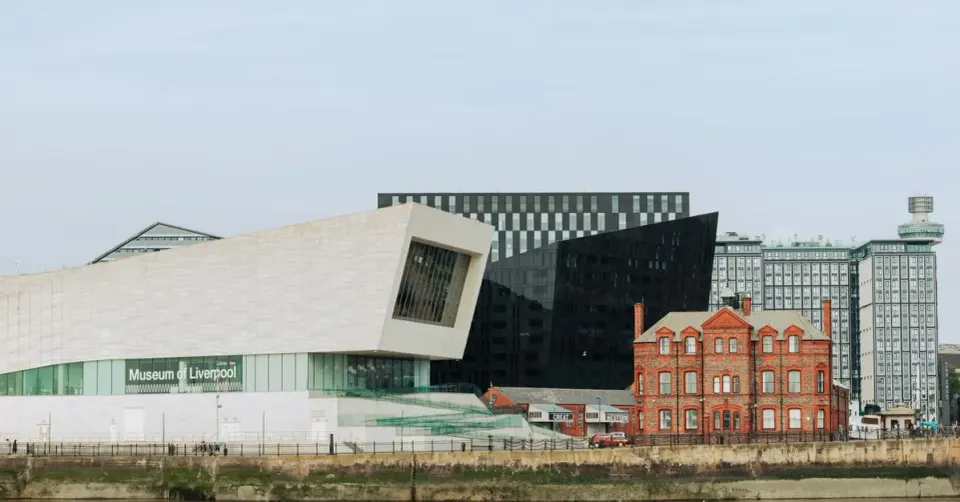
In a more positive turn for European culture, Liverpool is preparing for a massive expansion of its Beatles-related tourism. A new 100,000-square-foot visitor attraction, officially backed by Apple Corps, is set to open in 2028. Paul McCartney has described the project as "extraordinary," and it represents a significant investment in Britain's cultural heritage. The project aims to consolidate the band’s legacy in their hometown, transforming the city’s skyline with a "Yellow Submarine" makeover of its second-tallest building, signaling that even in turbulent economic times, the business of nostalgia remains a powerful economic driver.
However, the UK is also facing a less glamorous crisis: a massive surge in abandoned pets. The RSPCA has reported a "capacity crisis" as cats are arriving at shelters faster than they can be rehomed, with over 20,000 cats taken into care last year alone. This surge is partly attributed to the cost-of-living crisis, which has made pet ownership unaffordable for many, and a lack of neutering leading to a population explosion. It is a stark reminder of how macroeconomic pressures eventually trickle down into the most intimate aspects of domestic life, affecting everything from how people save money to how they care for their animals.
Frequently Asked Questions
علت اصلی افزایش قیمت طلا در بازار امروز تهران چیست؟
وضعیت کاروان ایران در بازیهای پاراآسیایی ۲۰۲۶ چگونه است؟
چرا ساختمانهای تاریخی در فرانسه هدف حمله قرار گرفتهاند؟
Gold as a Hedge Against Currency Depreciation
Gold has long been viewed as a safe‑haven asset, especially when a nation’s currency loses value. When the Iranian toman slides, investors often turn to gold because its price is quoted in US dollars, a relatively stable currency. This dynamic creates a negative correlation: as the local currency weakens, the domestic price of gold in toman rises, even if the international gold price stays flat.
The mechanism works through two channels. First, a depreciating currency makes imported goods more expensive, fuelling inflation. Gold, unlike most commodities, does not generate cash flow, but its scarcity and universal acceptance preserve purchasing power. Second, foreign investors holding assets denominated in a stable currency (like the USD) find gold an attractive store of value, driving up demand globally and pushing the dollar‑denominated price higher. When the local exchange rate falls, the same dollar price translates into a higher price in the local currency.
For households in Iran, buying gold – whether as coins, bars, or jewelry – becomes a way to protect savings from eroding real value. Central banks also monitor gold reserves as a buffer against currency crises. However, gold is not a perfect hedge; its price can be volatile, and storage costs or capital controls can limit accessibility. Understanding the interplay between exchange‑rate movements and gold prices helps investors make more informed decisions during periods of monetary turbulence.
In practice, the price of gold in Iran often trades at a premium to the world price, reflecting not only the exchange‑rate gap but also sanctions‑related risks and market frictions. Tracking both the USD/IRR (or USD/Toman) rate and the global spot price of gold gives a clearer picture of the real cost of gold for Iranian buyers.
Key takeaway: When a currency depreciates sharply, gold’s price in that currency typically spikes, making gold a practical, though imperfect, hedge against loss of purchasing power.
Topics
Related Articles