Deadly Lebanon Attacks Halt US-Iran Talks, Gold Dips on Hawkish Fed, Hormuz LNG Flows Resume
حملات مرگبار در لبنان مذاکرات آمریکا و ایران را متوقف کرد؛ کاهش طلا با فدرال رزرو تهاجمی، ازسرگیری جریان LNG در هرمز
Escalating violence in Lebanon has led to the postponement of critical US-Iran talks, casting a shadow over regional stability just days after a tentative deal. Meanwhile, gold prices have dipped following a hawkish shift from the Federal Reserve, though the Strait of Hormuz has seen its first post-deal LNG cargo, signaling cautious optimism for energy flows.
At time of publishing
USD
160,500
Toman
Gold 18K
15.69M
Toman / gram
Bitcoin
$62,505
US Dollar
Tether
162,516
Toman
Escalating Violence in Lebanon Halts US-Iran Diplomacy
Deadly Israeli strikes in Lebanon, in retaliation for Hezbollah killing four Israeli soldiers, have dramatically escalated regional tensions. This fresh wave of violence, reported just hours ago, led directly to the postponement of critical US-Iran talks in Switzerland that were scheduled for Friday. The diplomatic efforts, which aimed to de-escalate conflict and secure maritime routes, are now on hold, testing the fragile understanding reached between Washington and Tehran just days prior.
This development signifies a severe setback for regional stability and the nascent US-Iran deal. The cycle of violence between Israel and Hezbollah continues to be a major destabilizing factor, directly impacting broader diplomatic initiatives. For Iranian readers, this means continued uncertainty regarding regional security, which could have ripple effects on economic stability, investor confidence, and currency expectations, despite initial hopes for a breakthrough in relations.
Strait of Hormuz Reopens for Indian LNG Amid Lingering Doubts
In a cautiously optimistic development, India has received its first liquefied natural gas (LNG) cargo through the Strait of Hormuz since the US-Iran deal was announced this past weekend. The LNG carrier Disha, flying the flag of Malta, safely arrived at the Dahej Port on India’s West Coast on Friday, having successfully navigated the critical chokepoint earlier in the week. This marks a tangible, albeit tentative, step towards normalizing energy flows through the vital waterway after a period of heightened tensions.
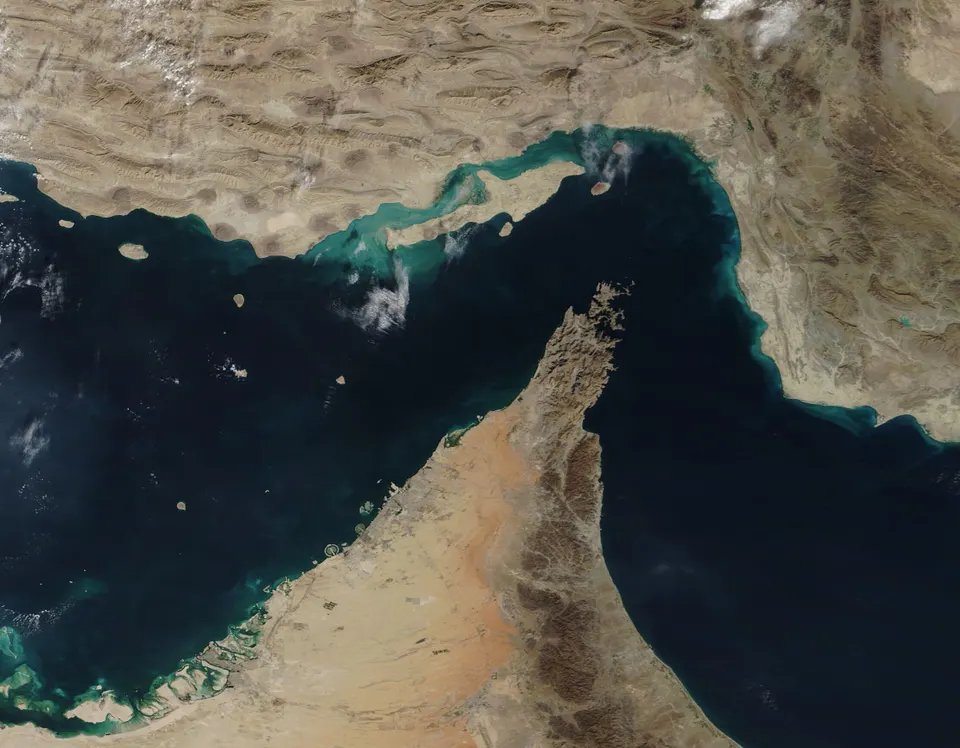
The successful passage of the Disha signals an initial, cautious trust in the new understanding between the US and Iran, which involved lifting a naval blockade and aims to ensure safe passage for commercial shipping. However, despite the resumption of flows, shipping companies and insurers reportedly remain wary, indicating that full commercial confidence has not yet returned. This lingering caution suggests that while immediate risks have lessened, the long-term stability of the route still relies heavily on political trust rather than established commercial guarantees, potentially impacting future energy prices and global trade stability.
Gold Prices Dip as Hawkish Fed Strengthens Dollar, Emami Coin Stable
Global market sentiment has shifted, leading to a notable dip in gold prices and a strengthening US dollar. Gold 18k/gram in Iran fell from 15,983,655 Toman to 15,689,782 Toman, representing a 1.8% decrease over 24 hours. Concurrently, the USD/IRR exchange rate saw a significant rise, moving from 155,700 to 160,500 Toman, an increase of 3.1%. The Emami coin, however, held steady at 160,500,000 Toman, registering a 0.0% change.
This market movement largely stems from the Federal Reserve's increasingly hawkish stance, which has prompted Goldman Sachs strategists to slash their year-end gold forecast by $500, now expecting $4,900 per ounce instead of $5,400. The Fed's signals of higher interest rates for longer make non-yielding assets like gold less attractive, as investors seek better returns elsewhere. Furthermore, the hawkish outlook is generating increased demand for the dollar due to favorable interest rate differentials, robust growth prospects, and significant capital demand from AI investments, creating a bullish impulse for the US currency.
For Iranian readers, a strengthening dollar against the Toman directly translates to increased import costs and potential inflationary pressures on goods and services. The simultaneous dip in gold prices, while the Emami coin remains stable, might lead to a reassessment of domestic savings strategies, with some investors potentially shifting away from gold in favor of other assets or dollar holdings if the trend continues.
Venice Targets Overtourism with Steep Day-Tripper Fee Hike
Venice's new mayor, Simone Venturini, has announced plans to significantly increase the controversial entrance fee for day-trippers, potentially raising it to as much as €50. This proposed hike aims to further deter casual visitors during peak tourist seasons, addressing the persistent issue of overtourism that has strained the city's infrastructure and diminished the quality of life for its residents. The move underscores Venice's ongoing struggle to balance its vital tourism industry with the preservation of its unique cultural heritage.

This policy reflects a growing global trend among popular destinations to manage overwhelming visitor numbers through financial disincentives, prioritizing sustainability and local well-being over sheer volume. Should Venice implement such a steep fee, it could set a significant precedent for other heavily touristed cities grappling with similar challenges, potentially reshaping international travel patterns and the accessibility of iconic sites. It signals a shift towards a more curated and perhaps exclusive tourism model, where the cost reflects not just access, but also the environmental and social impact of visitation.
Bologna’s Film Festival Captures Streaming Generation with Rediscovered Cinema
In a testament to the enduring appeal of film history, Bologna is currently hosting its 40th Il Cinema Ritrovato festival, a niche yet influential international gathering dedicated to restored, rediscovered, and overlooked films, some dating back over a century. The festival, which transforms the northern Italian city into an open-air museum of cinema, has successfully evolved from its humble origins to captivate a new generation of cinephiles, demonstrating the timeless power of cinematic storytelling.
This event highlights a fascinating cultural counterpoint to the rapid digitalization and AI-driven content consumption dominating modern entertainment. While streaming platforms offer vast libraries, Il Cinema Ritrovato provides a curated, historical, and communal experience, appealing to those seeking authenticity and depth. It underscores the importance of cultural preservation and the arts, proving that even amidst fast-paced technological advancements and global economic and political turbulence, there remains a significant appetite for historical context and the unique magic of cinema's past.
Watch
Israeli military strikes southern Lebanon as US-Iran talks are postponed • FRANCE 24 English
FRANCE 24 English
Frequently Asked Questions
What specifically caused the postponement of US-Iran talks?
How does the Federal Reserve's hawkish stance impact gold prices globally?
What is the significance of India receiving LNG through the Strait of Hormuz now?
How does the rise in USD/IRR affect Iranian citizens?
What is the long-term goal of Venice's increased day-tripper fee?
Understanding Geopolitical Risk and its Impact on Global Markets
Geopolitical risk refers to the potential for political events, conflicts, and instability in one region to have widespread economic and financial consequences globally. The headline's mention of deadly Lebanon attacks halting US-Iran talks immediately signals heightened geopolitical tensions in a critical region. Such events create uncertainty, influencing investor sentiment and altering the dynamics of international trade and finance. This isn't just about direct conflict; it encompasses policy shifts, diplomatic breakdowns, and regional power struggles that ripple across borders.
One of the most immediate impacts of escalating geopolitical risk is often seen in energy markets. The Strait of Hormuz, a vital chokepoint for global oil and liquefied natural gas (LNG) shipments, serves as a prime example. When tensions rise in the Middle East, concerns about potential disruptions to this crucial waterway can send energy prices soaring, as traders price in the risk of supply shortages. Conversely, the resumption of LNG flows, as mentioned in the headline, can ease these fears, temporarily stabilizing prices, but the underlying vulnerability remains.
Furthermore, geopolitical uncertainty significantly influences demand for safe-haven assets. Gold, historically regarded as a store of value during times of crisis, typically sees its price rise as investors seek refuge from market volatility and currency depreciation. The "Gold Dips" part of the headline, despite the geopolitical tensions, highlights that other powerful forces, such as a "Hawkish Fed" (indicating higher interest rates), can counteract this safe-haven demand. However, the fundamental principle remains: geopolitical risk often drives investors towards assets perceived as stable and secure, even if other factors can temporarily overshadow this trend.