Internal Strife Rocks Tehran Amid US Talks; Micron Soars, Regional Tensions Linger
تنشهای داخلی تهران را در بحبوحه مذاکرات آمریکا فرا گرفت؛ خیزش مایکرون، تداوم تنشهای منطقهای
A former Iranian negotiator has exposed alleged secret correspondence revealing deep internal divisions within the government, even as US-Iran talks expand beyond nuclear issues. Meanwhile, Micron's staggering profit growth signals tech sector strength, while regional conflicts continue to cast a shadow on market sentiment. Iranian football faces US travel hurdles, underscoring persistent geopolitical challenges.
At time of publishing
USD
159,150
Toman
Gold 18K
16.02M
Toman / gram
Bitcoin
$64,143
US Dollar
Tether
160,119
Toman
Internal Tensions Surface in Iranian Government Amid Diplomacy
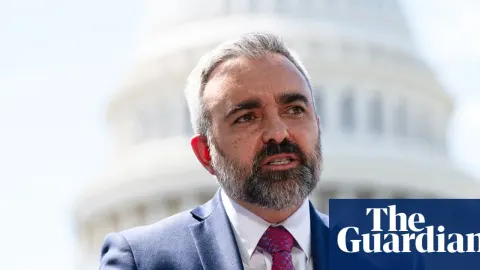
Significant internal divisions within the Iranian government have come to light following a startling interview with Mahmoud Nabavian, a former member of Iran’s negotiating team and deputy chair of the national security council. Nabavian, speaking on state television, claimed to have seen confidential letters from Mojtaba Khamenei, the Supreme Leader’s son, which allegedly stated that Iran's previous negotiating team with the US in Islamabad had overstepped its mandate. The interview was abruptly cut off, but not before these explosive claims were aired, sending ripples through Tehran's political circles.
This revelation suggests a deep-seated power struggle and lack of unified vision at the highest echelons of Iranian leadership, particularly concerning sensitive international negotiations. Such internal friction can significantly complicate Iran's ability to present a cohesive front in ongoing diplomatic efforts, potentially undermining the credibility and longevity of any agreements reached. For the Iranian public, these claims could fuel uncertainty about political stability and future policy directions, which often translates into diminished economic confidence and volatile currency expectations.
US-Iran Talks Expand Beyond Nuclear Program
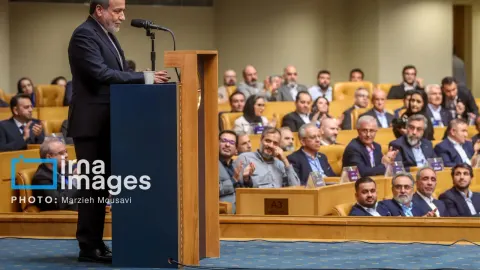
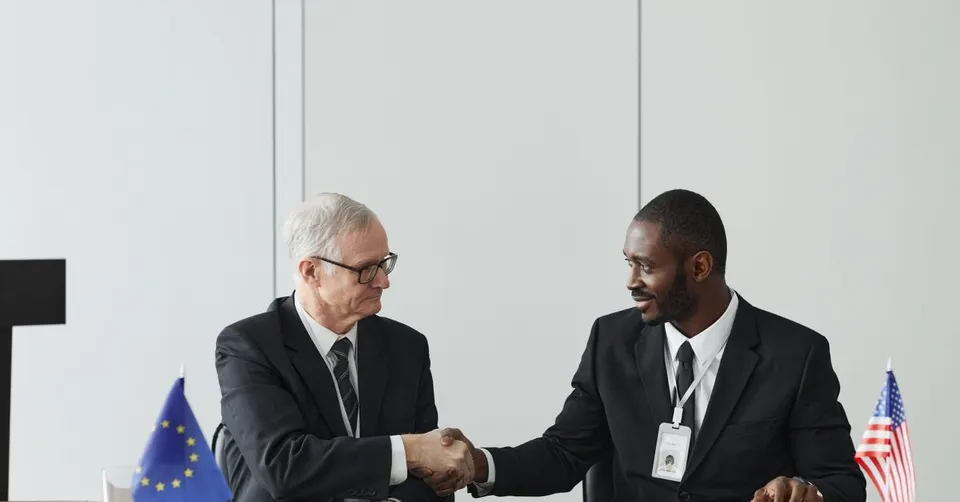
Amidst the internal political drama, US and Iranian delegations are continuing their discussions in Switzerland, with a notable shift towards a broader agenda. Both sides have committed to addressing issues beyond Iran's nuclear program, including sanctions relief and the establishment of a reconstruction fund. This expansion of the negotiation scope signals a recognition by both Washington and Tehran that a lasting resolution requires a more comprehensive approach, tackling the economic and regional factors that underpin much of the bilateral tension.
This willingness to engage on a wider array of topics, particularly sanctions relief and economic reconstruction, is a crucial development. For Iran, the potential easing of sanctions could provide a much-needed lifeline to its struggling economy, facilitating trade and attracting foreign investment. However, the success of these broader talks will inevitably be influenced by the internal consensus within Iran, as revealed by the recent controversies. For Iranian citizens, progress on these fronts could eventually lead to improved living standards and greater economic opportunities, though the path remains fraught with political complexities.
Regional Tensions Persist Despite De-escalation Directives
In the volatile regional landscape, Israel has reportedly directed its military to limit its actions in Lebanon, a move that comes amidst persistent tensions and recent deadly clashes. This directive, while suggesting an effort towards de-escalation, highlights the extreme fragility of the situation, especially as the ongoing US-Iran peace talks are threatened by the continued regional friction. The intertwining of the Lebanese conflict with broader international diplomacy underscores the complex web of interests and hostilities in the Middle East.
Despite these efforts, the underlying tensions in the region continue to exert pressure on global markets and investor sentiment. For cryptocurrencies, often seen as a barometer of risk appetite, this sustained instability can create headwinds. Bitcoin, currently trading around 64,143 USD, has shown some resilience, but any significant escalation could lead to increased volatility and a flight to perceived safer assets. For Iranian investors in crypto, regional geopolitical stability is a key factor influencing the perceived value and safety of their digital holdings, which are often used as a hedge against local economic uncertainties.
Micron's Soaring Earnings Signal Robust Tech Demand
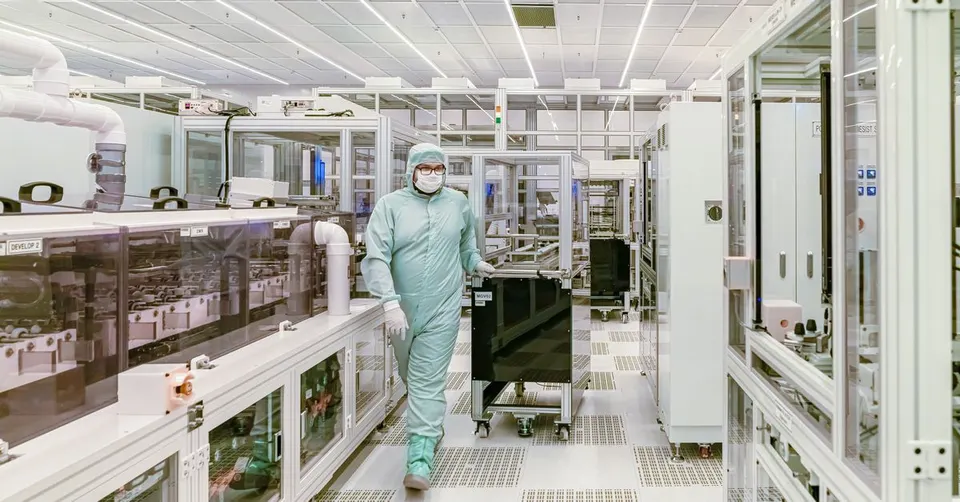
In the global markets, Micron Technology's upcoming earnings report is generating considerable buzz, with analysts forecasting an astounding profit growth rate approaching 1,000%. This remarkable performance from a leading semiconductor memory manufacturer is viewed as a crucial indicator for the broader technology sector and, by extension, the S&P 500. Such substantial growth points to robust demand for memory chips, primarily driven by the insatiable appetite for AI technologies and expanding data centers worldwide.
Micron's success underscores the current strength and investment momentum within the tech industry, particularly in areas critical to artificial intelligence development. A thriving global tech sector can indirectly influence the Iranian economy by signaling a healthier international economic environment, potentially fostering greater confidence in global trade and investment flows. While the direct impact on the Iranian Toman is limited, a strong global economy can reduce external pressures. Today, the USD saw a slight decrease against the Toman, moving from 160,550 to 159,150 (-0.9%), while Gold 18k/gram also dipped from 16,088,692 to 16,018,514 (-0.4%), and Emami coin from 165,500,000 to 163,500,000 (-1.2%). These minor shifts occur amidst a complex interplay of international market signals and domestic factors.
US Travel Rules Disrupt Iranian World Cup Preparations
Even as high-stakes diplomacy unfolds, the practical impact of geopolitical tensions continues to affect everyday life, including sports. Iran's national football coach has publicly expressed concerns that US travel rules and visa restrictions are significantly disrupting the team's preparations for the 2026 FIFA World Cup, currently being hosted across the US, Canada, and Mexico. This highlights the pervasive nature of sanctions and diplomatic friction, which extend beyond political and economic realms into cultural and sporting exchanges.
For Iranian football enthusiasts and the general public, these disruptions are a frustrating reminder of the broader political climate's influence on international participation. It underscores the challenges faced by Iranian citizens seeking to engage globally, even in non-political arenas, and can contribute to a sense of isolation. Such incidents, while seemingly minor in the grand scheme of international relations, can significantly impact national morale and feed into existing anxieties about Iran's place in the world and its citizens' ability to participate freely on the global stage.

Watch
2026 World Cup: Iran's football coach says US travel rules continue to disrupt preparations
FRANCE 24 English
Frequently Asked Questions
What specific claims were made about internal tensions in the Iranian government?
How might the expanded US-Iran negotiation agenda impact Iran's economy?
What is the significance of Micron Technology's forecasted profit growth?
How do regional tensions, like those in Lebanon, affect cryptocurrency markets?
Why are US travel rules still affecting Iran's World Cup preparations despite ongoing talks?
Understanding the Joint Comprehensive Plan of Action (JCPOA) and Sanctions Relief
The Joint Comprehensive Plan of Action, commonly known as the JCPOA, is a multilateral agreement reached in 2015 between Iran and the P5+1 countries (the United States, United Kingdom, France, Germany, Russia, and China). Its core purpose was to limit Iran’s nuclear program in exchange for the lifting of economic sanctions that had crippled the Iranian economy for years. The deal set strict limits on uranium enrichment, the number of centrifuges Iran could operate, and established a rigorous inspection regime by the International Atomic Energy Agency (IAEA). In return, sanctions on Iran’s oil exports, banking sector, and other key industries were rolled back, opening the door for foreign investment and trade.
Sanctions relief under the JCPOA has profound ripple effects across Iran’s domestic politics and its broader economy. With sanctions lifted, Iran can access international financial systems, attract foreign capital, and import advanced technology—particularly in high‑value sectors like semiconductors. Companies such as Micron Technology, a major U.S. memory‑chip maker, closely watch Iran’s sanction status because it determines whether they can legally sell equipment or engage in joint ventures with Iranian firms. A thaw in negotiations can trigger sharp movements in semiconductor market sentiment and even influence earnings forecasts for firms operating in the region.
Conversely, the political landscape inside Tehran is highly sensitive to the terms of any new agreement. Hard‑line factions may view concessions as compromising national sovereignty, while reformist elements see sanction relief as essential for economic recovery and for funding large‑scale projects, such as infrastructure upgrades ahead of events like the 2026 FIFA World Cup that Iran hopes to host. The internal debate often spills into public protests and parliamentary battles, shaping the pace and durability of any negotiated settlement.
The interplay between sanctions, technology, and regional stability also extends to the cryptocurrency sphere. With traditional banking channels constrained, many Iranians have turned to digital currencies as a way to preserve wealth and conduct cross‑border transactions. Positive signals from the U.S.–Iran talks can dampen crypto demand by restoring confidence in the formal financial system, while renewed tensions tend to boost crypto sentiment as a hedge against potential renewed sanctions.
In short, the JCPOA serves as a linchpin linking diplomatic negotiations, economic sanctions, technology imports, and even cultural ambitions like the World Cup. Understanding how the agreement’s mechanisms work—and why they matter—helps make sense of the volatile headlines surrounding Tehran’s internal strife, U.S. talks, and market reactions worldwide.
Topics
Related Articles