Tehran Markets Steady as Vance Signals Nuclear Inspection Breakthrough; AI 'Civil War' Erupts in NYC Primary
ثبات در بازار تهران همزمان با سیگنالهای پیشرفت دیپلماتیک؛ آغاز «جنگ داخلی هوش مصنوعی» در انتخابات نیویورک
As Vice President JD Vance signals a possible return of nuclear inspectors to Iran, the Tehran market remains in a cautious wait-and-see mode with the dollar edging up to 159,850 Toman. Meanwhile, a massive infusion of AI-focused Super PAC money into a New York primary marks a new era of technological lobbying.
At time of publishing
USD
159,850
Toman
Gold 18K
16.13M
Toman / gram
Bitcoin
$64,324
US Dollar
Tether
159,882
Toman
The 60-Day Diplomatic Tightrope: Starmer, Vance, and the IAEA
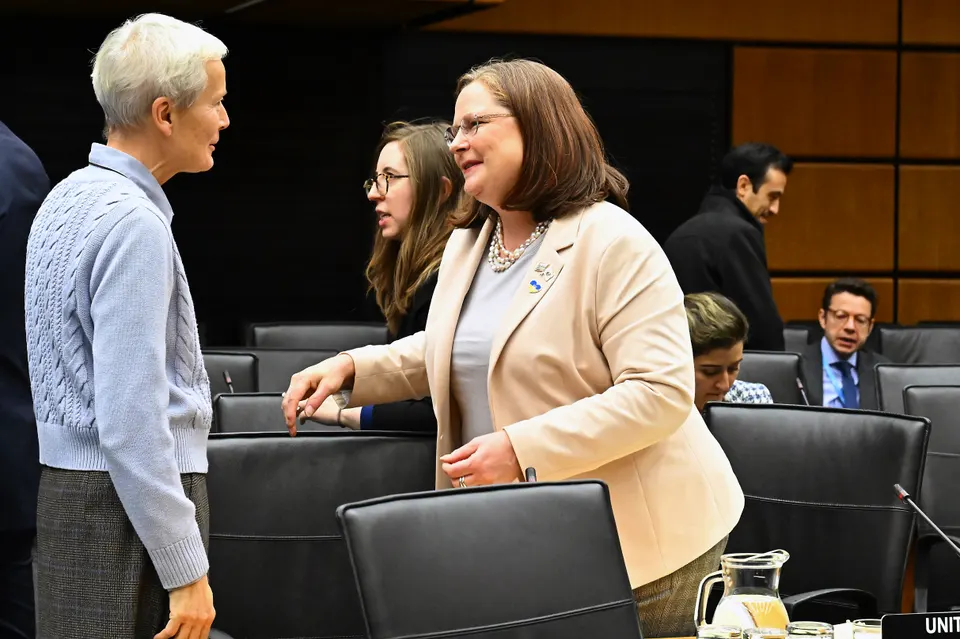
As of 23:00 Tehran time, the geopolitical landscape is dominated by shifting signals regarding the future of the Iran nuclear file. Vice President JD Vance recently indicated that Iran has agreed to allow the International Atomic Energy Agency (IAEA) to restart inspections, a move that could potentially de-escalate tensions that have kept markets on edge for months. However, the optimism is tempered by skepticism from analysts like Larry Sabato, who suggests that any deal under the current administration will likely lack the granular detail of the 2015 Obama-era agreement. This discrepancy creates a volatile environment for investors who are trying to price in long-term regional stability versus short-term political posturing.
In Tehran, the response from the Foreign Ministry has been characteristically measured. Spokesperson Esmaeil Baqaei emphasized that any interaction with the IAEA will continue strictly within the framework of existing procedures and the regulations set by the Iranian Parliament and the Supreme National Security Council. This dual-track reality—where Washington signals a breakthrough and Tehran emphasizes domestic legal constraints—has led to a stagnant but tense market. The US Dollar in the free market moved slightly from 159,750 to 159,850 Toman (+0.1%), reflecting a community of traders that is not yet ready to bet on a full diplomatic thaw.
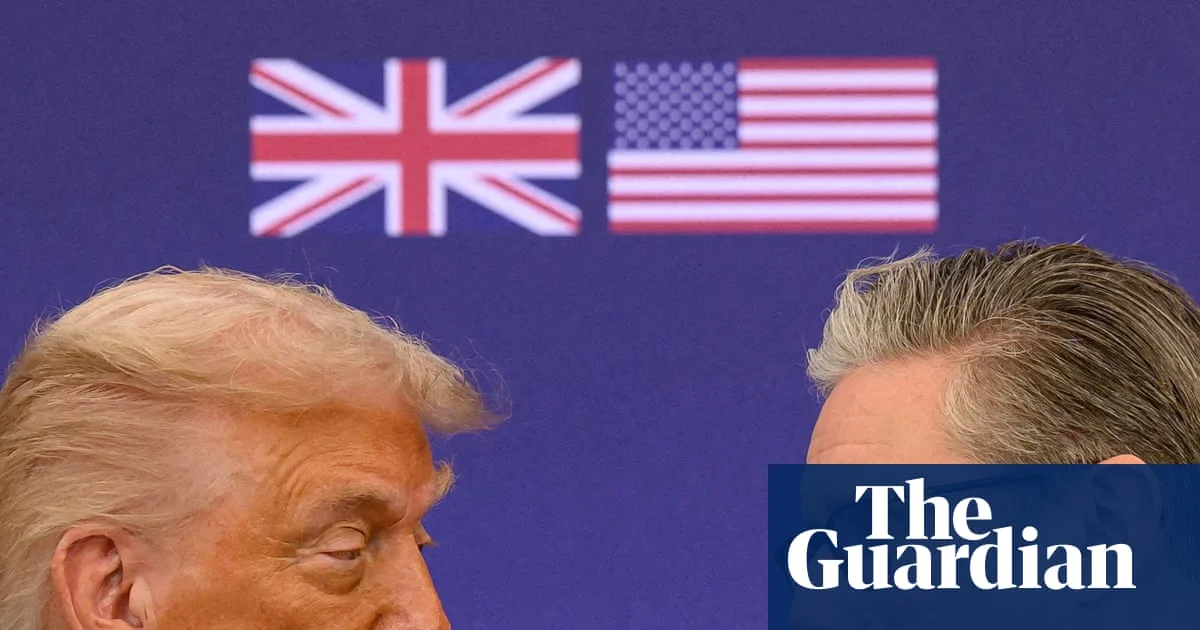
Beyond the immediate US-Iran friction, the role of international players like the UK is coming into sharper focus. Former Prime Minister Keir Starmer’s handling of foreign affairs is now being analyzed as a period of relative strength that was eventually undermined by the unpredictable nature of the current White House. For Iranian readers, this signifies that even if a 60-day roadmap is established, the lack of a unified Western front could mean that sanctions relief remains a fragmented and unreliable prospect. Gold prices in Iran, often a hedge against such uncertainty, rose from 16,058,451 to 16,133,708 Toman per gram (+0.5%), as locals seek safety in the face of these conflicting diplomatic narratives.
The AI 'Civil War' and the Battle for Legislative Influence
While diplomacy takes center stage in the Middle East, a different kind of conflict is erupting in the United States: the first "AI Civil War." In New York City’s NY-12 congressional primary, AI-focused Super PACs have poured nearly $50 million into a single race. This massive spending spree is not just about a seat in Congress; it is a strategic attempt by the technology industry to secure influence over the first generation of AI legislation. As the industry matures, the divide between those advocating for rapid, unregulated growth and those pushing for strict safety protocols has become a multi-million dollar political battleground.
Google DeepMind has added fuel to the fire by publishing a paper warning that the debate over AI consciousness could soon spill into the halls of government and public institutions. The concern is that if AI is perceived as having even a semblance of sentience, the legal and ethical implications would paralyze current regulatory frameworks. This is no longer a theoretical exercise for tech enthusiasts; it is a material risk for markets. For fintech startups and businesses in Iran and elsewhere, the outcome of these US primaries will dictate the global standards for data privacy, algorithmic accountability, and the export of advanced computing power.

This "civil war" reflects a broader trend where technology is no longer just a sector of the economy but the primary driver of political discourse. If the Super PACs succeed in installing industry-friendly candidates, we may see a rollback of safety measures, potentially accelerating the deployment of AI in financial markets. Conversely, a victory for the regulatory hawks could lead to a fragmented global AI landscape, where different jurisdictions operate under vastly different rules. For the global economy, this means increased compliance costs and a more complex environment for cross-border tech investments.
Hardware Realities: Valve’s Steam Machine and the RAM Shortage
In the world of consumer technology, Valve is set to ship its highly anticipated Steam Machine on June 29, carrying a hefty price tag of $1,049. However, the launch is marred by the reality that most consumers simply won't be able to buy one. Valve has implemented a randomized purchase queue to manage the scarcity, a move that highlights the ongoing struggles within the global electronics supply chain. The high cost—comparable to a high-end gaming PC—is largely attributed to a persistent global RAM shortage that has driven up manufacturing costs across the board for consoles and handhelds alike.

This hardware crunch is a stark reminder that despite the hype surrounding software and AI, the physical foundations of the digital economy remain fragile. The price hike for gaming consoles is a microcosm of the inflation seen in broader industrial components. For the Iranian market, where importing high-end hardware is already complicated by logistics and currency fluctuations, these global price increases translate to even higher retail costs for local consumers. The Steam Machine's reliance on AMD’s FSR 4 technology to boost performance also shows how manufacturers are increasingly turning to software solutions to compensate for hardware limitations and cost constraints.
What this means for the broader market is a continued period of "premiumization," where only the most expensive devices receive the latest features, while the mid-range market stagnates. As RAM prices remain elevated, we can expect other tech giants to follow suit with price hikes for laptops, smartphones, and servers. For businesses looking to upgrade their infrastructure, the window for "affordable" technology is closing, necessitating a more strategic approach to hardware procurement in the second half of 2026.
Frequently Asked Questions
Why is the 60-day roadmap significant for the Iranian Toman?
What is the 'AI Civil War' mentioned in the New York primary?
How does the global RAM shortage affect individual consumers in Iran?
Topics
Related Articles