Cyprus Ferry Disaster Leaves Hundreds Missing as US Sanctions Egypt’s Banque Misr Over Iran Links
فاجعه واژگونی کشتی در قبرس و تحریم بانک مصر توسط آمریکا؛ فشار مضاعف بر شریانهای مالی ایران
A catamaran ferry carrying 267 passengers has capsized off the coast of Cyprus, sparking a massive search and rescue operation. Simultaneously, Washington has hit Egypt’s second-largest bank with sanctions for facilitating Iranian trade, signaling a tightening of the regional economic noose.
At time of publishing
USD
206,100
Toman
Gold 18K
21.78M
Toman / gram
Bitcoin
$78,835
US Dollar
Tether
205,859
Toman
Tragedy Strikes Off the Coast of Cyprus
A major maritime disaster is unfolding in the Mediterranean after a catamaran-type ferry, carrying 267 passengers, capsized shortly after departing from the port of Kyrenia in Northern Cyprus. Local authorities reported that the vessel began taking on water rapidly, leading to a catastrophic loss of stability. Search and rescue teams from across the region have been deployed, but the fate of hundreds remains uncertain as nightfall approaches. This incident is not just a humanitarian tragedy; it raises significant questions about maritime safety standards in a region that serves as a critical crossroads for both tourism and migration.
The geopolitical implications of such a disaster in the Eastern Mediterranean cannot be understated. With regional tensions already high due to energy disputes and naval posturing, a large-scale rescue operation involving multiple jurisdictions requires a level of coordination that is often absent. For the families of those aboard, the coming hours are critical. For the broader public, this serves as a grim reminder of the risks inherent in the busy shipping lanes that connect Europe, Asia, and the Middle East.

US Tightens the Noose: Banque Misr Hit by Sanctions
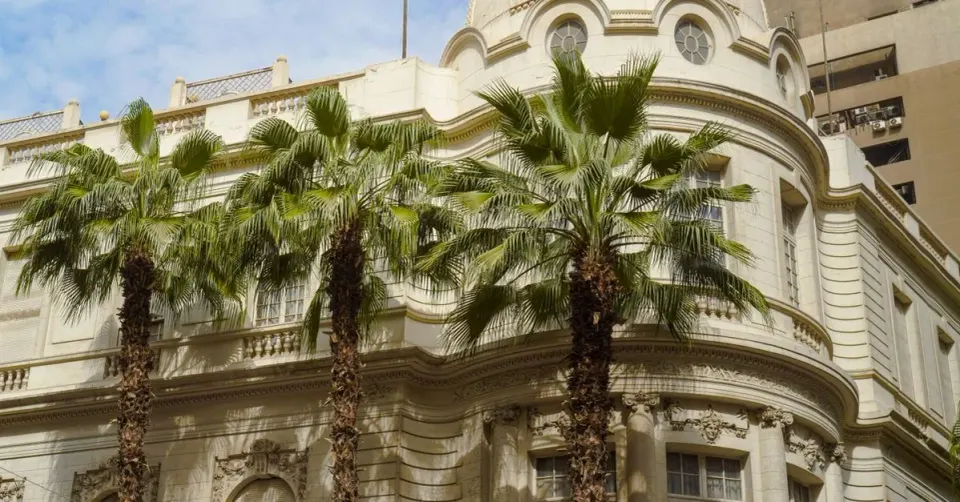
In a move that has sent shockwaves through the regional financial sector, the United States has officially sanctioned Banque Misr, Egypt’s second-largest financial institution. Washington alleges that the bank played a pivotal role in facilitating transactions that allowed Iran to bypass existing economic restrictions. This escalation comes at a sensitive time, as truce talks in the broader regional conflict remain deadlocked. By targeting a major Egyptian bank, the U.S. is signaling that it will no longer tolerate middle-market intermediaries that provide a lifeline to the Iranian economy.
For Iranian markets, this development is a clear warning that the "gray market" for currency and trade is under intense surveillance. Banque Misr has long been a conduit for regional trade, and its removal from the dollar-clearing system will likely complicate Iran's efforts to access foreign currency. While the immediate impact on the Tehran market was muted, with the USD sell rate moving from 206,400 to 206,100 Toman (-0.1%), the long-term structural pressure on the Rial is expected to increase as traditional banking routes are severed one by one.
Market Pivot: Moving Beyond the AI Hype Train
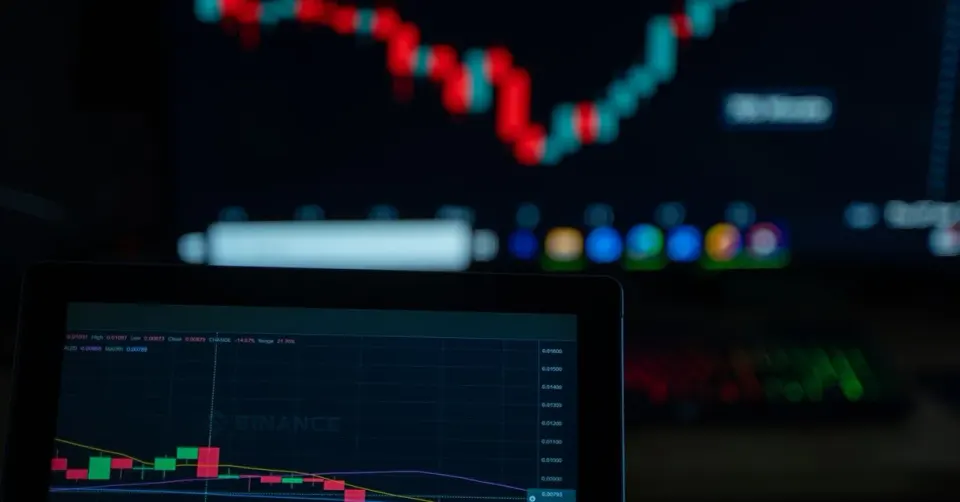
Prominent market analyst Josh Brown has issued a stark warning to investors, suggesting it is time to "take a break from the AI CapEx world." Brown argues that the massive capital expenditures by tech giants into artificial intelligence may be reaching a point of diminishing returns in the short term. Instead, he is highlighting the healthcare sector as a primary destination for capital, citing stable earnings and lower valuation risks compared to the overheated tech market. This rotation reflects a broader sentiment shift on Wall Street, where investors are increasingly looking for safety and tangible yield over speculative growth.
In the local Iranian context, this global shift coincides with a period of relative stagnation in domestic assets. Gold 18k/gram fell slightly from 21,868,507 to 21,780,783 Toman (-0.4%), while the Emami coin remained flat at 218,000,000 Toman. Bitcoin continues to hold its ground near $78,835, providing a digital hedge for those wary of the Toman's long-term stability. As global investors pivot toward defensive sectors like healthcare, Iranian savers are similarly seeking refuge in hard assets, though the lack of domestic market momentum suggests a "wait and see" approach is currently dominant.
Diplomacy in the Shadow of Sanctions: Pezeshkian to Kyrgyzstan
President Masoud Pezeshkian is scheduled to travel to Kyrgyzstan on Monday, according to official state media reports. This visit is part of a broader strategy by the current administration to strengthen ties with Central Asian nations as a counterweight to Western isolation. By focusing on the Shanghai Cooperation Organization (SCO) and regional trade blocs, Tehran hopes to secure new markets for its energy products and find alternative routes for consumer goods. However, these diplomatic efforts often struggle to translate into meaningful economic relief for the average Iranian citizen, who continues to face high inflation and limited purchasing power.
Critics argue that while high-level visits and public relations statements from the President's office project an image of active diplomacy, the underlying economic reality remains grim. The visit to Kyrgyzstan is unlikely to produce the kind of massive investment needed to modernize Iran's aging infrastructure or stabilize the currency. Instead, it serves as a symbolic gesture of regional alignment. As the government continues to prioritize these geopolitical maneuvers over fundamental economic reform, the gap between official rhetoric and the lived experience of the public continues to widen.
Urban Safety and Public Health: NYC’s New Regulations
New York City is set to significantly increase inspections of cooling towers following a series of deadly Legionnaires’ disease outbreaks. Lawmakers are pushing for stricter regulations on the large air-conditioning systems used in hotels and high-rise buildings, which can harbor the bacteria if not properly maintained. This move highlights a growing global trend of increased government oversight in public health infrastructure, particularly in densely populated urban centers where environmental risks can scale rapidly.
While this story may seem distant from the financial markets of Tehran, it underscores the rising costs of urban maintenance and the legal liabilities facing large-scale property owners. For international investors, such regulatory shifts can impact the profitability of real estate and hospitality sectors. It also serves as a reminder that in an era of climate change and evolving biological threats, the "hidden" infrastructure of our cities requires constant vigilance and investment to prevent localized health crises from turning into broader economic disruptions.
Frequently Asked Questions
Why was Egypt's Banque Misr sanctioned by the US?
What is the status of the ferry rescue operation in Cyprus?
How did the Tehran currency market react to the new sanctions?
What does Josh Brown's 'AI CapEx' warning mean for retail investors?
Understanding Economic Sanctions: Tools of Geopolitical Influence
Economic sanctions are powerful foreign policy tools employed by countries or international bodies to influence the behavior of other states, entities, or individuals. They typically involve restrictions on trade, financial transactions, or other economic activities, imposed for a variety of reasons, including national security concerns, human rights violations, counter-terrorism efforts, or to deter nuclear proliferation. The goal is often to pressure the target into changing specific policies or actions without resorting to military intervention.
These measures can take many forms. Financial sanctions might freeze assets, restrict access to international banking systems, or prohibit transactions with certain entities, as seen in the case of Banque Misr being sanctioned over alleged links to Iran. Trade sanctions can involve embargoes on specific goods or services, export/import restrictions, or bans on investment. Travel bans and arms embargoes are also common components. The targets can range from high-ranking government officials and specific companies to entire sectors of an economy or even a whole country.
The impact of economic sanctions can be far-reaching. By cutting off access to global markets and financial networks, they can severely disrupt a target country's economy, leading to currency depreciation, inflation, and reduced living standards. This pressure is intended to create domestic discontent and compel a policy shift. However, sanctions can also have unintended consequences, such as fostering illicit trade, encouraging the development of alternative financial systems (like the use of gold markets or barter), or disproportionately harming civilian populations, which raises humanitarian concerns and debates about their overall effectiveness and ethical implications.