Rubio Rallies Gulf Allies Amid Ceasefire Tensions as South Korean AI Workers Hit $400k Payday
مأموریت رابیو در خلیج فارس برای مهار تنشهای آتشبس؛ پاداش ۴۰۰ هزار دلاری برای نخبگان تراشهساز کره
US Secretary of State Marco Rubio travels to the Gulf to soothe allies wary of the new US-Iran ceasefire agreement, while South Korea's AI boom turns tech workers into the nation's most eligible elite. In Tehran, the Toman faces slight pressure as gold prices retreat from recent record highs.
At time of publishing
USD
161,000
Toman
Gold 18K
15.92M
Toman / gram
Bitcoin
$61,991
US Dollar
Tether
161,588
Toman
Rubio’s Diplomatic Balancing Act in the Gulf
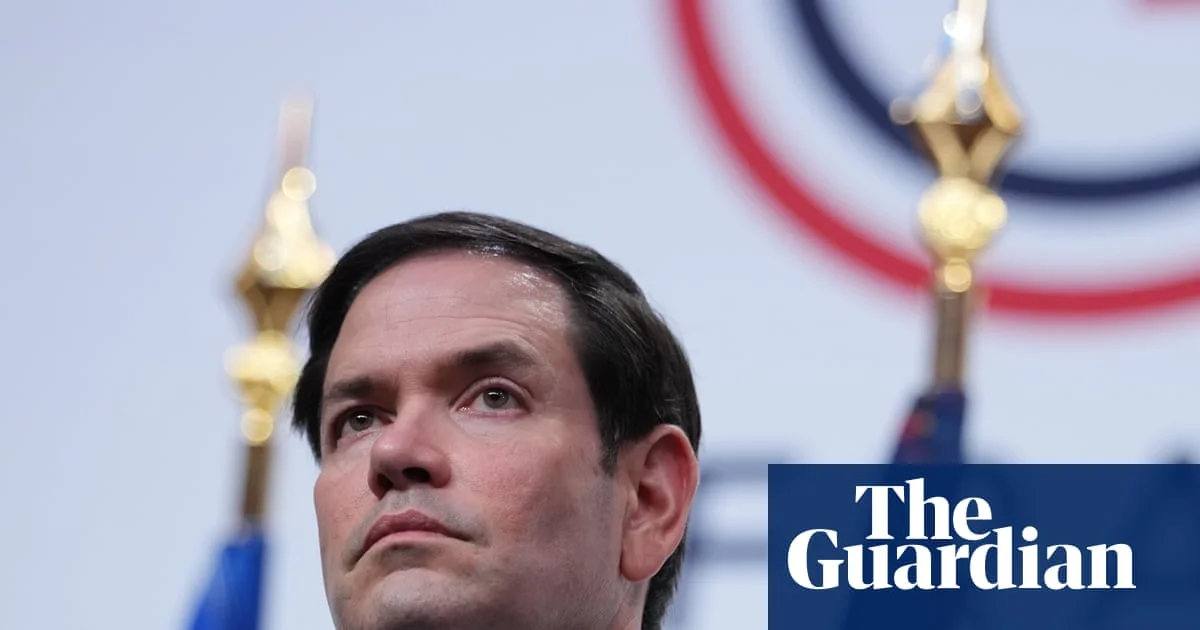
US Secretary of State Marco Rubio has embarked on a high-stakes tour of Bahrain, Kuwait, and the United Arab Emirates this Tuesday. The mission is clear: to reassure nervous Gulf allies that the recently struck 60-day ceasefire deal with Iran will not compromise their regional security. While Qatar has been a central mediator in the process, other Gulf nations remain deeply skeptical, fearing that the easing of tensions and potential release of funds will allow Tehran to further bolster its military capabilities. Rubio’s challenge lies in convincing these partners that the US remains committed to their defense while pursuing a diplomatic off-ramp with Iran.
This visit comes at a critical juncture for the Iranian economy. Market participants in Tehran are closely watching these diplomatic signals to gauge the longevity of the current "technical accord." If Rubio fails to maintain a unified front with the Gulf states, the risk of renewed sanctions or regional friction could quickly reverse recent gains in the Toman’s stability. For now, the "wait and see" approach dominates, but any sign of a breakdown in communication between Washington and its Arab allies could spark a new wave of volatility in the foreign exchange markets.
Local Markets: Toman Edges Lower as Gold Undergoes Correction
The Iranian currency market saw a slight shift today as the US Dollar moved from 159,850 to 161,000 Toman, marking a 0.7% increase. This marginal depreciation of the Toman reflects a cautious sentiment among traders who are processing the latest geopolitical headlines from the Gulf and the ongoing talks in Switzerland. Despite the slight rise in the greenback, the market remains significantly more stable than the chaotic periods of early 2026, largely due to the optimism surrounding the 60-day ceasefire. However, the 160,000 level remains a psychological threshold that investors are watching with bated breath.
In the precious metals sector, Gold 18k per gram saw a notable decline, dropping from 16,133,708 to 15,919,940 Toman, a decrease of 1.3%. This local correction occurred even as global gold prices remained exceptionally high at $4,119.30 per ounce. The divergence suggests that local demand may have reached a temporary saturation point after weeks of record-breaking rallies. Meanwhile, the Emami coin rose slightly by 0.3%, reaching 164,000,000 Toman, indicating that while the raw metal is cooling off, the demand for minted coins as a hedge against inflation remains resilient among retail investors.
The AI Elite: South Korea’s New Social Hierarchy
In a fascinating intersection of technology and sociology, workers at South Korea’s top semiconductor firms, Samsung Electronics and SK Hynix, have become the country's most sought-after marriage prospects. The global AI frenzy has not only sent stock prices soaring but has also resulted in astronomical performance bonuses. Some senior engineers at Samsung’s chip unit are reportedly set to receive bonuses topping $400,000 this year. This massive wealth injection has fundamentally shifted the social landscape in Seoul, where "chip makers" are now viewed with the same prestige once reserved for doctors and lawyers.
This trend highlights the growing divide between the AI-driven economy and traditional sectors. As Samsung and Hynix trade places as the world’s most valuable memory chip producers, their ability to attract and retain talent has become a matter of national security for South Korea. For the global market, this underscores the sheer scale of capital being poured into the AI hardware race. While the tech world focuses on software, the real wealth is being consolidated at the foundation—the silicon. This labor market shift is a leading indicator that the AI boom is far from over, as companies are willing to pay any price to secure the human capital necessary to lead the next industrial revolution.
Brexit’s Decade of Discontent and the Trump Secrets
Ten years after the historic Brexit referendum, the United Kingdom is still grappling with the economic fallout of its departure from the European Union. New analysis of internal Bank of England data suggests the UK economy has taken a 6% hit compared to what it would have been without Brexit. While the UK performed in line with other advanced economies immediately after 2016, it has significantly lagged behind the US and Canada since the early 2020s. This long-term stagnation serves as a cautionary tale for other nations considering isolationist trade policies, proving that the "sovereignty dividend" has been elusive for the average British worker.

Adding to the global sense of political uncertainty, a new book titled "Regime Change" by veteran reporters Maggie Haberman and Jonathan Swan is sending shockwaves through Washington. The book details the inner workings of Donald Trump’s second term, revealing how the administration managed to keep significant secrets regarding the president's health and fitness for office. The authors describe a White House that perceives any sign of illness as a projection of weakness, leading to a culture of extreme secrecy. For global markets, these revelations raise questions about the stability of future US policy and the potential for sudden shifts in leadership dynamics that could impact everything from trade tariffs to nuclear diplomacy.
Frequently Asked Questions
Why are Gulf countries skeptical of the US-Iran ceasefire?
What caused the recent dip in Iranian gold prices?
How significant are the AI bonuses in South Korea?
Understanding Ceasefire Agreements in International Law
A ceasefire is a temporary suspension of hostilities between warring parties, often negotiated to create space for diplomatic talks or humanitarian aid. Under international law, ceasefires are not automatically binding treaties; instead, they are political commitments that can be formalized through written agreements, United Nations Security Council resolutions, or other diplomatic instruments. The legal weight of a ceasefire depends on the parties’ intentions, the clarity of its terms, and any mechanisms established for monitoring compliance.
When a ceasefire is codified, it may include provisions such as the duration of the pause, zones of separation, demilitarized areas, and verification procedures overseen by neutral observers—often the UN or regional organizations. These verification mechanisms are crucial because they help build trust, deter violations, and provide a factual record that can be used in later negotiations or legal proceedings. Violations of a ceasefire can trigger a return to conflict or, if severe, be deemed a breach of international obligations, potentially leading to sanctions or referrals to the International Criminal Court.
The United States and Iran have a long history of indirect ceasefire arrangements, especially concerning proxy conflicts in the Middle East. In 2026, discussions about a US‑Iran ceasefire have centered on preventing escalation in the Gulf region, where naval incidents could quickly spiral into broader war. Such ceasefires are often tied to broader diplomatic frameworks, including nuclear negotiations, sanctions relief, and regional security guarantees, illustrating how a simple pause in fighting can become a cornerstone of complex geopolitical bargaining.
For policymakers and observers, understanding the nuances of ceasefire agreements helps assess the stability of fragile peace processes and the likelihood of lasting conflict resolution. While a ceasefire alone does not end a war, it can be a critical first step toward a comprehensive peace settlement, provided it is backed by robust monitoring, clear terms, and a genuine political will from all sides.
Topics
Related Articles