
Beijing’s New Detentions Spark Diplomatic Chill as Global Chip Giants Stage a Dramatic Recovery
تنش دیپلماتیک میان پکن و توکیو در سایه بازگشت قدرتمند غولهای تراشهسازی به بازار
China's detention of two Japanese nationals in Dalian has reignited regional tensions, while South Korea's chip-heavy market recovers from a sharp correction. Meanwhile, the US Senate moves to curb war powers concerning Iran as nuclear talks hit a critical 60-day window.
At time of publishing
USD
161,850
Toman
Gold 18K
15.79M
Toman / gram
Bitcoin
$62,674
US Dollar
Tether
164,485
Toman
Beijing’s Detention of Japanese Nationals Signals Fresh Diplomatic Friction
In a move that has sent ripples through East Asian diplomatic circles, the Chinese government has confirmed the detention of two Japanese nationals in the northeastern city of Dalian. According to official statements from Tokyo, the individuals were taken into custody back in May on suspicion of smuggling, though the details of the alleged crimes remain shrouded in secrecy. This incident is not an isolated event but rather a continuation of a pattern where foreign nationals, particularly those from G7 nations, find themselves entangled in China’s increasingly stringent national security and customs enforcement landscape.
The timing of this revelation is particularly sensitive as Japan and China have been locked in a series of disputes over maritime boundaries and trade restrictions. Analysts suggest that such detentions often serve as tactical leverage in broader geopolitical negotiations. For the global markets, this adds a layer of 'sovereign risk' for multinational corporations operating in China, as the line between commercial activity and national security continues to blur. If these tensions escalate into further trade retaliations, we could see renewed volatility in regional logistics and manufacturing sectors that rely on the free flow of personnel between Tokyo and Beijing.

The Great Chip Rebound: Why Samsung and SK Hynix Refuse to Stay Down
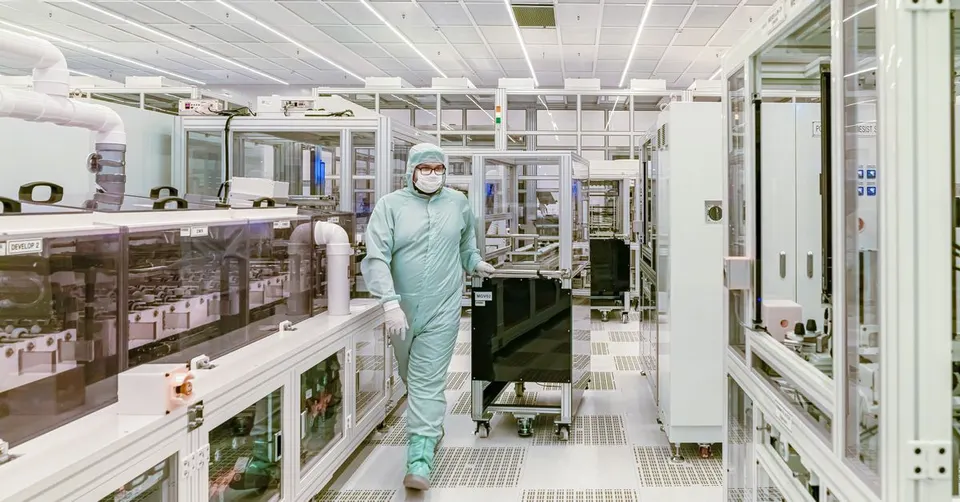
After a bruising 10% plunge that shook investor confidence earlier this week, the world’s most tech-concentrated stock markets are staging a remarkable comeback. Leading the charge are South Korean titans Samsung Electronics and SK Hynix, which saw significant buying pressure at the market open today. This rally suggests that the recent sell-off was likely a case of aggressive profit-taking rather than a fundamental shift in the AI-driven demand cycle. Investors are clearly betting that the structural need for high-bandwidth memory and advanced logic chips remains robust enough to withstand short-term macroeconomic headwinds.
This recovery is a testament to the 'buy the dip' mentality that has defined the 2026 tech bull market. While concerns about overvaluation persist, the sheer scale of investment in artificial intelligence infrastructure acts as a safety net for these semiconductor giants. For regional investors, this volatility serves as a reminder that even the most promising sectors are prone to sharp corrections, but the underlying narrative of technological supremacy continues to drive capital back into the Asian markets. The focus now shifts to upcoming quarterly guidance, which will determine if this rebound has the legs to reach new record highs.
Washington’s Internal Tug-of-War Over Iran Policy
In a rare and significant rebuke to the executive branch, the United States Senate has voted to pause and curb certain war powers specifically targeting the ongoing tensions with Iran. This legislative move comes as the conflict enters its 117th day of heightened alert, with negotiators in a desperate race to finalize a nuclear inspections deal within a 60-day window. The Senate’s decision reflects a deep-seated concern among lawmakers that a unilateral escalation could lead to an uncontrollable regional conflict, particularly as the situation in the Strait of Hormuz remains precarious and shipping lanes face constant threats.
For the Iranian economy, this political development in Washington offers a slight cooling of the 'war premium' that has been baked into local prices. While the rhetoric from Tehran remains firm regarding nuclear sovereignty, the legislative hurdle placed in front of the Trump administration suggests that a purely military solution lacks broad domestic support in the U.S. This provides a narrow window for diplomacy to take center stage. Market participants are watching these developments closely, as any breakthrough in negotiations would likely lead to a significant realignment of USD/IRR rates and gold premiums in the Tehran bazaar.
Tehran Market Pulse: Gold Retreats Amid Global Ounce Volatility
As of 12:00 Tehran time, the domestic currency market has shown remarkable stability despite the geopolitical noise. The US Dollar (USD) remains unchanged over the last 24 hours, with the sell rate holding steady at 161,850 Toman. This lack of movement suggests that the market has already priced in the current diplomatic stalemate and is waiting for a more definitive catalyst, such as the outcome of the OIC summit or a shift in the nuclear negotiation timeline. The Tether (USDT) rate, however, continues to trade at a premium at 164,485 Toman, reflecting continued demand for digital assets as a hedge against potential future volatility.
In contrast, the gold market has seen a notable correction. Gold 18k per gram moved from 15,965,880 to 15,794,358 Toman, marking a -1.1% decrease over the last 24 hours. This dip comes even as the global gold ounce price remains exceptionally high at $4,084.80. The domestic decline suggests a cooling of the 'bubble' or premium that often attaches to coins and bullion during times of high anxiety. With the Emami coin holding flat at 163,000,000 Toman, it appears that the retail market is currently in a 'wait-and-see' mode, balancing the high global costs of precious metals against a temporarily stabilized local currency.

Frequently Asked Questions
Why did the price of 18k gold drop in Iran despite the high global ounce price?
What does the US Senate's move to curb war powers mean for Iran?
Why are South Korean chip stocks like Samsung rebounding so quickly?
Geoeconomics: The Strategic Interplay of Power and Prosperity
The recent headlines, highlighting diplomatic tensions alongside the dramatic recovery of global chip giants, underscore a critical concept in international relations and economics: Geoeconomics. This field examines how economic tools and policies are used to achieve geopolitical objectives, and conversely, how geopolitical shifts profoundly impact economic landscapes. It's a strategic game where trade, investment, technology, and even human capital become instruments of national power, rather than purely market-driven activities.
In the context of Beijing's detentions and the subsequent diplomatic chill, geoeconomics helps us understand these actions beyond simple legal or diplomatic disputes. Such moves can be interpreted as attempts to exert leverage, signal resolve, or secure strategic advantages in a complex global environment. For instance, controlling access to critical talent or technology can be a powerful geoeconomic tool. Simultaneously, the global chip market's recovery, despite these tensions, highlights its pivotal role. Semiconductors are not just commodities; they are the foundational technology for modern economies and national security, making their supply chains a prime arena for geoeconomic competition.
Nations are increasingly employing geoeconomic strategies to secure their position in vital industries like semiconductors. This includes massive state subsidies for domestic production, export controls on advanced technologies, and efforts to attract or retain top talent. The competition over chip manufacturing, design, and intellectual property is a clear manifestation of geoeconomics at play, with countries like the US, China, Japan, and South Korea vying for dominance and resilience. These actions inevitably create friction, reshape global supply chains, and introduce new layers of risk for multinational corporations.
Understanding geoeconomics is crucial for deciphering today's complex global landscape. It explains why seemingly economic decisions often have deep political roots and why political actions frequently carry significant economic consequences. For businesses, it means navigating a world where market forces are increasingly intertwined with statecraft, requiring a keen awareness of geopolitical risks alongside traditional economic analysis. For policymakers, it involves balancing national interests with the realities of global interdependence.