Nuclear Fog Thickens: Conflicting Reports from D.C. and Tehran as Bitcoin Tests $62K Support
مه غلیظ هستهای: روایتهای متناقض واشینگتن و تهران همزمان با عقبنشینی بیتکوین به کانال ۶۲ هزار دلار
Global markets are on edge as President Trump and Iranian officials offer wildly different accounts of nuclear progress. Meanwhile, a tech-led selloff is dragging Bitcoin lower, while the Tehran bazaar remains in a cautious 'wait-and-see' mode.
At time of publishing
USD
161,850
Toman
Gold 18K
15.97M
Toman / gram
Bitcoin
$62,803
US Dollar
Tether
164,203
Toman
Market Open — Stability Amidst Global Noise
As of 09:30 Tehran time, the domestic currency market is showing remarkable resilience, or perhaps more accurately, a calculated pause. The US Dollar (USD/IRR) is holding steady at 161,850 Toman, showing a 0.0% change over the last 24 hours. This stagnation reflects a market that has already priced in a significant amount of geopolitical tension but is now waiting for a concrete trigger to move in either direction. Interestingly, Tether (USDT) is trading at a slight premium at 164,203 Toman, suggesting that digital asset demand remains a hedge for local investors despite the sideways move in the physical cash market.
In the gold sector, we see a similar pattern of consolidation. 18-karat gold is fixed at 15,965,880 Toman per gram, and the Emami coin remains unchanged at 163,000,000 Toman. While global gold prices are hovering near historic highs at $4,079 per ounce, the local market's lack of movement suggests that the Rial's stability is currently the dominant factor over international commodity fluctuations. Traders in the Sabzeh Meydan are likely keeping their eyes glued to the news cycle rather than their calculators this morning.

The Nuclear Narrative Gap — Trump vs. Tehran
The biggest story overnight is the starkly different reality being presented by Washington and Tehran regarding nuclear negotiations. President Trump claimed that Iran has agreed to the "highest level" of inspections, a statement that briefly sent ripples through the energy markets. However, this was almost immediately countered by Iranian officials who insisted there have been "no detailed discussions" on the nuclear issue specifically. This disconnect is typical of high-stakes diplomacy, but it creates a volatile environment for anyone trying to forecast sanctions relief or trade normalization.
Adding to the complexity, the U.S. House of Representatives has passed a war powers measure aimed at curbing the executive's ability to engage in further conflict with Iran. While the measure is largely symbolic given the current political alignment, it represents a significant domestic rebuke of the administration's hawkish stance. For the Iranian reader, this means that while the rhetoric remains heated, there are structural barriers in Washington preventing a full-scale escalation, which may be providing that floor of stability we see in the current exchange rates.

Tech Rout Drags Crypto Lower — BTC at $62,000
In the global financial theater, the story is one of risk-off sentiment. A deepening selloff in semiconductor stocks has spilled over into the crypto markets, dragging Bitcoin down toward the $62,000 mark. Analysts at Wintermute have warned that if liquidity continues to dry up and the lack of fresh ETF inflows persists, we could see a slide toward $59,000 in the short term. The correlation between high-growth tech stocks and Bitcoin is at its highest point in months, making crypto more of a macro-economic barometer than a decoupled alternative asset.
This market cooling comes as Alphabet (Google) is set to join the Dow Jones Industrial Average, a move that signals the final transformation of tech giants into the "new industrials." While this is a milestone for Silicon Valley, it also means these stocks—and the crypto assets that follow them—are now more susceptible to traditional economic cycles and interest rate expectations. For those holding USDT in Iran, the global dip might present a buying opportunity, but the lack of a clear "ETF bid" suggests the rally may have hit a temporary ceiling.
Global Flashpoints — From Hormuz to Myanmar
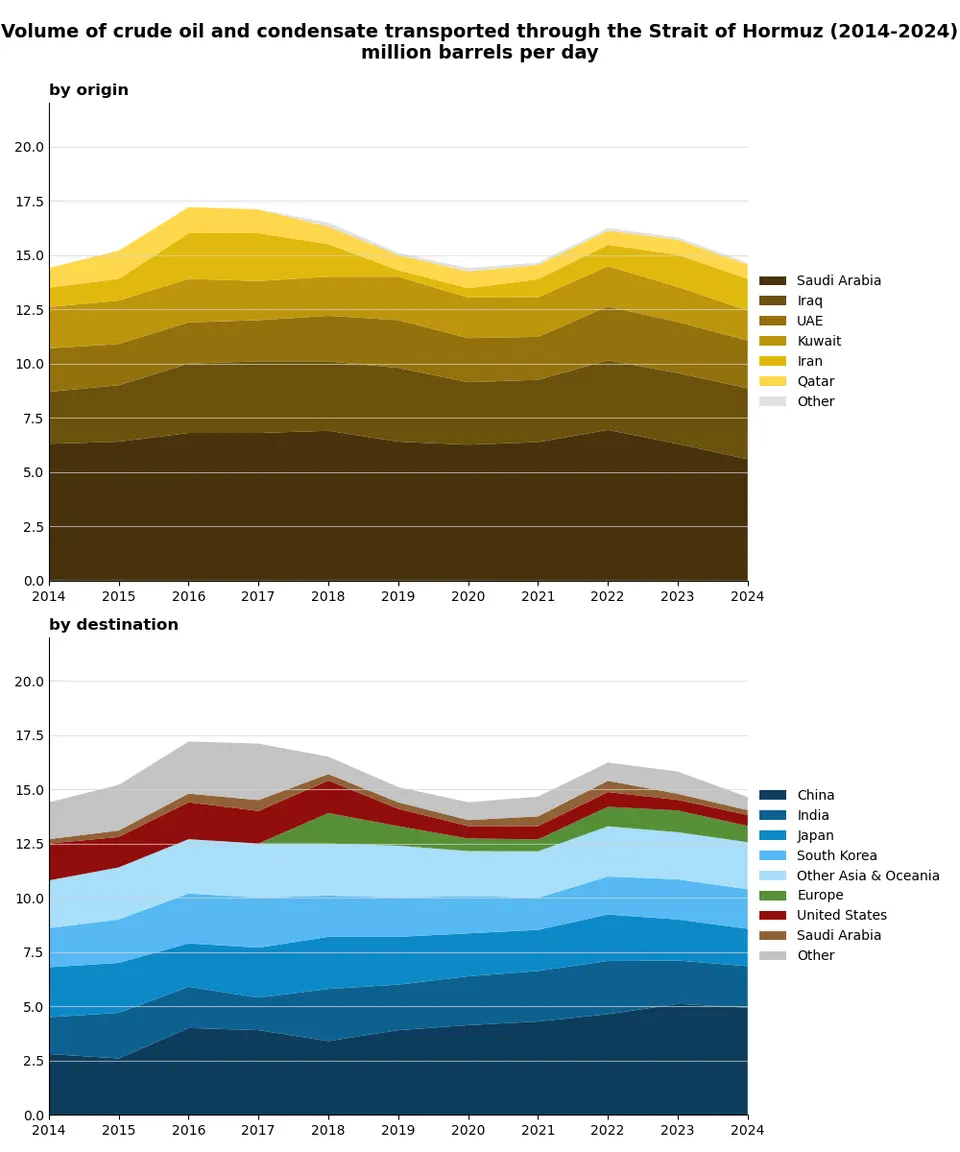
Beyond the headlines of the major powers, several regional stories are shaping the global risk map. Oman has announced a temporary maritime corridor through the Strait of Hormuz, coordinated with the International Maritime Organization. This move is designed to ensure the flow of energy products remains uninterrupted despite regional tensions. As the world’s most critical oil chokepoint, any news regarding Hormuz is a direct signal to global inflation and energy security. For Iran, maintaining the security of this lane is both a strategic lever and a necessity for its own economic survival.
Meanwhile, the civil war in Myanmar has reached what observers are calling an "apocalyptic" stage, though it remains largely overshadowed by conflicts in Ukraine and the Middle East. Furthermore, in Australia, a political storm is brewing over multiculturalism and hate crimes targeting international students. While these events may seem distant, they contribute to a general atmosphere of global instability that keeps gold prices elevated and investors wary of emerging market risks. The interconnectedness of today's world means that a policy shift in Canberra or a corridor in Oman eventually finds its way into the price of the coin in your pocket.
Watch
Trump sells Iran deal to voters as U.S., Tehran offer conflicting accounts of terms
CBS News
Frequently Asked Questions
Why is the USD/IRR rate stable despite the conflicting nuclear news?
How does the semiconductor selloff affect Bitcoin prices?
What is the significance of the Oman maritime corridor in the Strait of Hormuz?
Understanding the U.S. War Powers Act and Its Impact on Global Markets
The War Powers Act, formally known as the War Powers Resolution of 1973, is a federal law intended to check the President’s authority to commit the United States to armed conflict without the consent of Congress. Enacted in the aftermath of the Vietnam War, the resolution requires the President to notify Congress within 48 hours of deploying troops and limits military engagement to 60 days (plus a 30‑day withdrawal period) unless Congress authorises a longer deployment. The act reflects a constitutional balance: while the President is the Commander‑in‑Chief, the Constitution also grants Congress the power to declare war and control funding for military actions.
In practice, the War Powers Act has become a political battleground. Presidents often view its reporting requirements as a constraint on swift decision‑making, while members of Congress use it to assert oversight and, at times, to extract policy concessions. Notable disputes have arisen over interventions in Libya (2011), Syria (2013‑2014), and more recent tensions with Iran, where the act’s provisions have been cited in debates over potential strikes or naval blockades through strategic chokepoints like the Strait of Hormuz.
Why does this matter for investors and market observers? Military escalations can trigger sudden shifts in commodity prices (oil, gold), risk‑off sentiment, and currency volatility. For example, heightened U.S.–Iran tensions have historically spiked oil prices and boosted safe‑haven assets such as gold and the U.S. dollar, while also creating uncertainty for risk‑on assets like cryptocurrencies. Bitcoin’s price movements—such as testing the $62,000 support level—are often analyzed alongside geopolitical risk indicators because investors may seek alternatives when traditional markets appear vulnerable.
The act also influences sanctions policy. When Congress authorises or blocks funding for specific operations, it can affect the scope and enforcement of economic sanctions against nations like Iran. Sanctions, in turn, shape trade routes (e.g., shipping through the Strait of Hormuz) and impact regional markets, including Tehran’s gold market and broader commodity flows that feed into global price indices like the Dow Jones.
For anyone tracking the intersection of geopolitics and finance, grasping the War Powers Act provides a lens to anticipate how legislative‑executive dynamics might translate into market volatility, influencing everything from oil futures to Bitcoin’s speculative swings.