
NY Political Shifts & Crypto’s $62K Struggle: Global Markets at a Crossroads
تحولات سیاسی نیویورک و جدال بیتکوین در مرز ۶۲ هزار دلار: بازارهای جهانی در دوراهی
Progressive victories in New York primaries signal shifting US political tides as Bitcoin struggles to maintain support above $62,000. Meanwhile, Argentina’s deepening recession forces police into second jobs, highlighting a global economic divide.
At time of publishing
USD
164,250
Toman
Gold 18K
15.98M
Toman / gram
Bitcoin
$62,347
US Dollar
Tether
164,692
Toman
Political Shifts in New York and the Crypto Stagnation
The political landscape in the United States is witnessing a significant tremor as candidates backed by Zohran Mamdani secured major victories in the New York Democratic primaries. This surge of progressive influence comes at a time when the Biden administration and its challengers are locked in a fierce debate over domestic infrastructure and economic equity. Even as Donald Trump continues to focus on symbolic grievances, such as the alleged 'sabotage' of the National Mall’s reflecting pool, the real story lies in the shifting demographic and ideological priorities of the American voter. These shifts are not just local concerns; they dictate the regulatory and fiscal environment that global investors watch with bated breath.
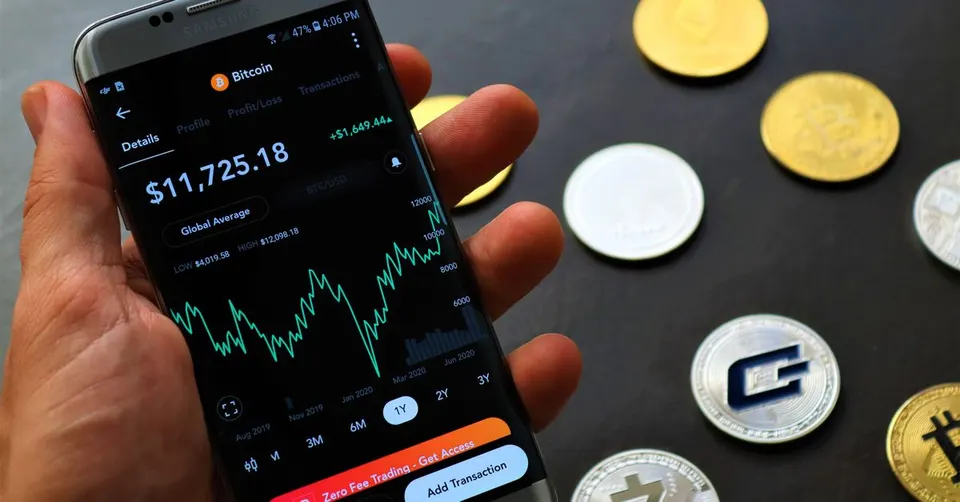
In the digital asset space, this political uncertainty is manifesting as a 'wait-and-see' approach. Bitcoin is currently clinging to the $62,347 mark, showing signs of exhaustion as bears tighten their grip. The lack of clear legislative direction regarding crypto-assets in Washington, coupled with the rising influence of progressive factions who often favor stricter financial oversight, has cooled the risk appetite of institutional players. For Iranian investors, this global stagnation is compounded by local currency volatility. In the last 24 hours, the US Dollar in the Tehran market rose from 161,850 to 164,250 Toman, a 1.5% increase that underscores the continued demand for hard currency as a hedge against both domestic inflation and international political shifts.
Semiconductor Volatility vs. Real-World Economic Pain
The technology sector is currently navigating a period of intense volatility, particularly in the semiconductor industry. Following a sharp one-day plunge in microchip stocks, analysts are looking back at historical data to determine if this is a structural shift or a fleeting correction. Historically, such downturns in the semiconductor sector—often triggered by oversupply fears or shifts in AI demand—have been followed by rapid recoveries. However, the current geopolitical climate, including export restrictions and the race for hardware sovereignty, adds a layer of complexity that previous cycles lacked. This market jitteriness is a primary driver for the broader indices, which are struggling to find a stable floor.
While high-finance traders worry about chip margins, the human cost of economic mismanagement is being felt acutely in Argentina. The nation's deepening recession has created a surreal reality where off-duty federal police officers are increasingly taking second jobs as rideshare drivers just to meet basic expenses. This desperation has led to a spike in violence, as these officers often find themselves targeted by criminals while working in their civilian capacities. The contrast between the 'fleeting' plunges of Wall Street and the permanent erosion of the middle class in recession-hit economies serves as a sobering reminder of the uneven nature of the global recovery. It highlights why many investors in emerging markets, including Iran, remain obsessed with gold and hard currency as the only reliable shields against systemic failure.

Regional Alliances and the Future of Energy
In the Middle East and South Asia, a new architecture of cooperation is emerging as nations seek to bypass traditional Western-led security frameworks. The recent agreement between Iran and Pakistan to boost security and counterterrorism cooperation is a prime example of this trend. Iranian Parliament Speaker Mohammad Bagher Ghalibaf recently described the Islamabad memorandum of understanding as a 'declaration of US defeat,' suggesting that regional strength is now the primary deterrent against external pressure. This move toward bilateral security is crucial for stabilizing trade routes and managing border tensions that have historically hampered economic growth in the region.
Parallel to these security shifts, the energy landscape is being redefined by massive private investments in nuclear power. India’s Adani Group has announced an ambitious target to develop 10 gigawatts of nuclear power capacity by 2035. This marks a significant pivot as India opens its civil nuclear sector to private players, aiming to secure long-term energy independence. For the broader region, India's aggressive pursuit of nuclear and renewable energy signals a shift away from fossil fuel dependency, which could eventually alter the oil-demand dynamics that Iran and its neighbors rely on. As these regional powers build their own energy and security walls, the influence of global superpowers continues to face its most significant challenge in decades.
Watch
Mamdani-backed candidates win New York Democratic primaries, ousting 2 incumbents
Associated Press
Frequently Asked Questions
Why is the New York primary relevant to global markets?
What does the 1.5% rise in USD/IRR signify for the Iranian market today?
Are semiconductor stocks entering a long-term bear market?
Currency Depreciation and Hyperinflation: Why the Argentine Peso and Iranian Rial Are Crashing
When a country's currency loses value rapidly against foreign money, we call it currency depreciation. The most extreme form—hyperinflation—occurs when prices double within weeks or months, eroding purchasing power almost overnight. The mechanics are simple: an excess supply of the local currency (often printed to finance budget deficits) meets dwindling demand, especially when investors lose confidence in the government's fiscal discipline or its ability to service debt.
Argentina provides a textbook modern example. After years of fiscal deficits, a soaring debt burden, and a loss of credibility with international lenders, the peso has been devalued by more than 90% since 2022. Inflation surged past 200% in 2025, forcing citizens to spend their savings in days rather than months. The government’s repeated attempts to cap the official exchange rate created a black‑market premium that further distorted prices and encouraged capital flight.
Iran faces a parallel, though distinct, story. International sanctions have choked oil revenues, while the state has financed large subsidies by printing rials. The official USD/IRR rate has been fixed far above market reality, prompting a thriving parallel market where the rial trades at a fraction of the official price. Inflation has hovered above 50% annually, and many Iranians have turned to Bitcoin and other cryptocurrencies as a store of value that is not directly controlled by Tehran’s monetary policy.
Both cases illustrate a broader lesson: exchange‑rate regimes matter. Fixed or heavily managed rates can provide short‑term stability but often mask underlying imbalances, leading to sudden, painful adjustments when the peg collapses. Flexible regimes allow the market to set rates, which can be painful in the short run but tend to prevent the buildup of massive misalignments. Understanding these dynamics helps explain why crypto prices spike during currency crises and why policymakers debate the trade‑off between stability and flexibility.
For anyone watching the USD/IRR exchange rate, the Argentine peso, or Bitcoin’s June 2026 price, the key takeaway is that macro‑economic fundamentals—budget balance, external debt, and political credibility—drive currency health far more than any single market sentiment.