Europe Swelters Under Record Heatwave as Hormuz Shipping Rates Skyrocket to $470,000 per Day
بحران گرما در اروپا و جهش بیسابقه هزینه کشتیرانی در هرمز؛ کرایه نفتکشها به روزی ۴۷۰ هزار دلار رسید
A brutal heatwave across Europe has left 94 million people facing extreme temperatures, threatening energy grids and forcing school closures. Meanwhile, shipping rates in the Persian Gulf have surged to historic highs as hopes for a reopening Strait of Hormuz trigger a chartering frenzy.
At time of publishing
USD
164,250
Toman
Gold 18K
15.84M
Toman / gram
Bitcoin
$62,735
US Dollar
Tether
164,655
Toman
Europe’s Record Heatwave Strains Infrastructure and Society
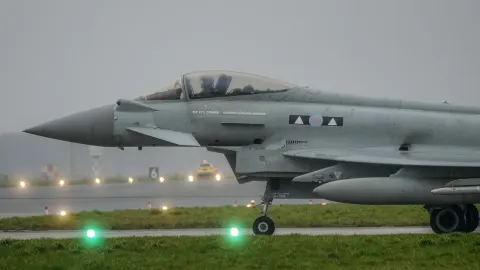
A catastrophic heatwave is currently gripping much of Europe, with meteorologists warning that over 94 million people will experience temperatures exceeding 35°C today. In the United Kingdom, a rare red heat alert has been issued as London braces for temperatures that could potentially shatter previous records, reaching as high as 39°C. The impact is already being felt across the continent; in northern France and Italy, electricity grids are struggling under the immense demand for cooling, leading to power outages for tens of thousands of households. This environmental crisis is not merely a matter of discomfort but a significant threat to public health and national infrastructure that was never designed for such extreme thermal stress.

The crisis has sparked a heated debate over public policy, particularly regarding education. In Britain and France, where very few schools are equipped with air conditioning, officials and parents are deeply divided over whether to keep schools open. Proponents of closure argue that the stifling heat makes learning impossible and endangers children, while others worry about the economic impact on working parents who cannot easily find childcare. This situation highlights a broader systemic failure in European urban planning: the lack of climate-resilient architecture. As these heatwaves become more frequent and severe, the cost of retrofitting old cities with cooling systems is becoming a multi-billion dollar economic burden that governments have yet to fully address.
The Hormuz Shipping Frenzy: Tanker Rates Hit $470,000
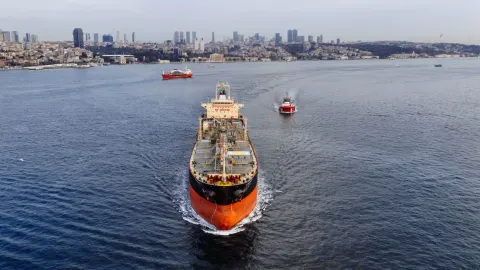
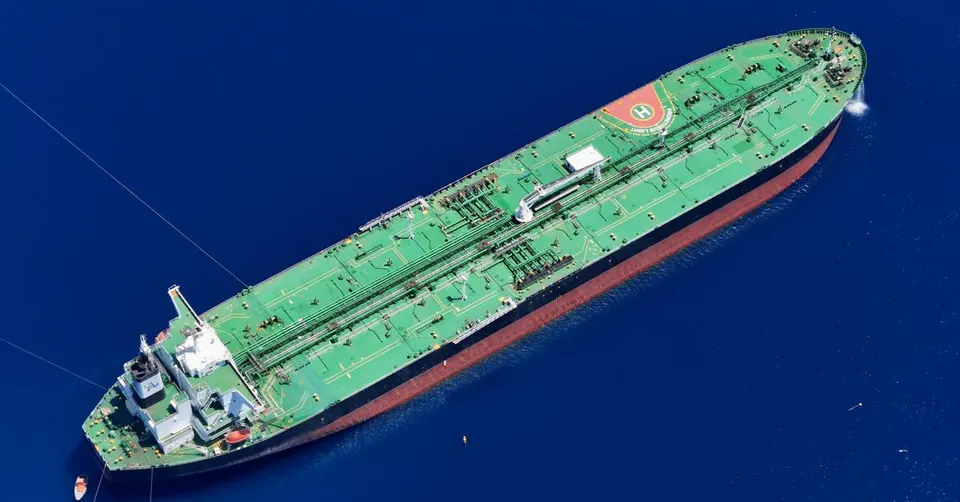
In the energy markets, a dramatic surge in shipping costs is stealing the spotlight. Earnings for Very Large Crude Carriers (VLCCs) have skyrocketed to nearly $470,000 per day. This "tanker frenzy" has been triggered by a sudden wave of optimism following a memorandum of understanding between the United States and Iran regarding maritime security. Importers, particularly in South Korea and India, are scrambling to charter vessels in anticipation of a tentatively reopening Strait of Hormuz. One specific booking for a Persian Gulf-to-India route was reportedly made at nine times the standard benchmark rate, reflecting a desperate rush to secure capacity before prices climb even higher.
Why does this matter for the global economy? These exorbitant shipping rates directly feed into the final price of crude oil and refined products, adding a new layer of inflationary pressure just as global markets were beginning to stabilize. For Iran, the potential reopening of the Strait of Hormuz represents a massive geopolitical and economic victory, potentially easing the logistical bottlenecks that have hampered its exports for years. However, the volatility in these rates suggests that the market remains on a knife-edge, sensitive to any diplomatic setback or renewed tension in the region. Investors are closely watching whether this spike is a temporary speculative bubble or the beginning of a new, higher-cost era for maritime energy transport.
Regional Diplomacy and Trade: Iran’s Outreach in Ankara
While global markets focus on shipping and climate, Iran is intensifying its regional economic diplomacy. The Iran Chamber of Commerce, Industries, Mines, and Agriculture (ICCIMA) has announced its participation in the 40th Board of Directors Meeting of the Islamic Chamber of Commerce and Development (ICCD) in Ankara, Turkiye. This move is part of a broader strategy to diversify trade partners and strengthen ties within the Islamic world, moving beyond traditional Western-dominated financial systems. By engaging with the ICCD, Iran aims to facilitate smoother cross-border investments and trade protocols that could provide a vital buffer against ongoing international sanctions.

Simultaneously, the domestic Iranian market is showing signs of moderate volatility. In the last 24 hours, the USD/IRR exchange rate rose from 161,850 to 164,250 (+1.5%), reflecting a slight weakening of the Toman amid regional uncertainties. Conversely, the price of 18k gold per gram fell from 15,965,880 to 15,843,067 (-0.8%), tracking global gold price movements which have slipped below the $4,100 mark. These shifts indicate that while diplomatic efforts in Ankara and the Hormuz negotiations provide a backdrop of hope, the immediate reality for Iranian consumers and businesses remains tied to the fluctuating value of the currency and the global appetite for safe-haven assets like gold.
Watch
Red extreme heat warning in place in UK as Europe battles heatwave | BBC News
BBC News
Frequently Asked Questions
Why have shipping rates in the Strait of Hormuz increased so dramatically?
How is the European heatwave impacting the global economy?
What is the significance of Iran's participation in the ICCD meeting in Ankara?
The Strategic Chokepoint: Why the Strait of Hormuz Drives Global Shipping Costs
The Strait of Hormuz, a narrow waterway between Iran and Oman, is one of the world’s most critical maritime chokepoints. Roughly 20% of global petroleum—both crude oil and refined products—passes through this 21‑mile stretch each day. Because the strait is so tight, any perceived threat—whether geopolitical tension, military exercises, or piracy—can force ship owners to add a substantial risk premium to freight rates, as seen in the recent surge to $470,000 per day for VLCC (Very Large Crude Carrier) voyages.
Risk premiums are calculated by insurers and charterers based on the probability of delays, detours, or even vessel loss. When the likelihood of conflict rises, insurers raise hull and war risk coverage costs, and charterers demand higher day‑rates to compensate crews for the danger. This extra cost is quickly passed on to oil importers and, ultimately, to consumers, feeding into broader energy inflation. In June 2026, heightened tensions in the Persian Gulf pushed Hormuz freight rates to record levels, contributing to a noticeable uptick in global oil prices.
The economic ripple effect extends beyond the shipping sector. Higher freight costs raise the landed price of oil in importing regions, such as Europe, which already faces a severe heatwave and soaring energy demand. The increased transport expense can also influence bilateral trade negotiations—like the Iran‑Ankara meeting—where parties discuss mechanisms to mitigate sanctions‑related shipping risks and explore alternative routes or insurance schemes.
Understanding the dynamics of the Hormuz chokepoint helps explain why a seemingly localized geopolitical flashpoint can have worldwide repercussions on energy markets, shipping economics, and even climate‑related policy decisions. For policymakers and investors, monitoring risk indicators in the Strait of Hormuz is essential for anticipating shifts in oil supply chains and the associated price volatility.