Iran's World Cup Spirit Soars Amid Economic and Energy Shifts
روحیه ایران در جام جهانی با تغییرات اقتصادی و انرژی اوج میگیرد
Iran's national team leaves a heartfelt note after a strong World Cup performance, boosting national pride. Meanwhile, global energy markets react to easing tensions in the Middle East, and Iran's nuclear access talks continue.
At time of publishing
USD
163,900
Toman
Gold 18K
15.69M
Toman / gram
Bitcoin
$61,730
US Dollar
Tether
165,718
Toman
Iran's World Cup Spirit Remains Unbroken
After a grueling match against Belgium resulting in a draw, Iran's national football team left a note in their locker room stating, "The spirit of Iran remains alive and steadfast." This statement has resonated with many Iranians, as the team strives to advance further in the World Cup, showcasing their resilience and determination. The draw against Belgium is considered one of Iran's best World Cup results, sparking pride and unity among fans across the nation.
This uplifting performance comes at a crucial time, as Iran faces numerous economic and political challenges. The national team's success provides a much-needed morale boost for the country, potentially influencing public sentiment and fostering a sense of solidarity. The timing of this event may also play a role in shaping the narrative around Iran's resilience in the face of adversity, both on and off the field.

Easing Middle East Tensions Impact Energy Markets
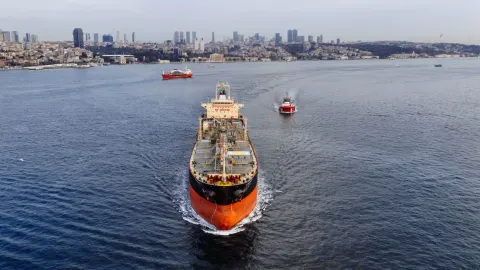
Recent developments in the Middle East have led to a significant shift in global energy markets. A conditional ceasefire between the United States and Iran has helped ease tensions, resulting in a notable drop in oil prices. Brent crude, for instance, hit its lowest point since before the start of the recent conflicts in the region, trading at $74.76 per barrel. This decrease is largely attributed to the expectation of smoother oil flows through the Strait of Hormuz, a critical chokepoint for global oil shipments.
The cooling of tensions has broader implications for global economies, particularly in Europe, where the euro has sunk to a one-year low against the U.S. dollar. This decline is partly due to the anticipation of more dovish monetary policies from the European Central Bank, which may react to the reduced energy costs. For Iran, the stabilization of oil prices could offer some economic relief, potentially impacting domestic inflation and currency stability.
Iran's Nuclear Facility Access Hinges on Final Deal
In a statement from Tehran, Deputy Foreign Minister Kazem Gharibabadi emphasized that access to Iran's nuclear facilities, targeted in recent U.S.-Israeli attacks, will be contingent upon reaching a final agreement. This stance underscores Iran's commitment to negotiate terms that are favorable and secure, while maintaining sovereignty over its nuclear program.
The ongoing negotiations are critical, as they may influence Iran's geopolitical standing and economic future. A final deal could lead to the easing of sanctions, potentially opening up new economic opportunities for the country. However, the complexity of the talks reflects the broader geopolitical tensions and the delicate balance of power in the region. As these discussions progress, the outcomes will likely have significant implications for international relations and Iran's domestic policy.
Frequently Asked Questions
What was the outcome of Iran's World Cup match against Belgium?
How have Middle East tensions affected global energy markets?
What are the current developments in Iran's nuclear negotiations?
Understanding the Petrodollar System
The petrodollar system is the global financial arrangement that emerged in the early 1970s when the United States struck deals with major oil‑producing nations to price oil exclusively in U.S. dollars. By linking oil revenues to the dollar, the U.S. created a constant demand for its currency, which helped finance the country’s deficits and cemented the dollar’s status as the world’s primary reserve currency. This arrangement also gave the United States significant leverage over oil‑exporting countries, because any move to shift pricing to another currency could threaten the dollar’s dominance.
For Iran, the petrodollar framework has been both a source of opportunity and vulnerability. Sanctions tied to its nuclear program have repeatedly blocked Iranian oil sales in dollars, forcing Tehran to seek alternative payment mechanisms—often in euros, yuan, or through barter arrangements. When sanctions tighten, Iranian oil revenues shrink, which in turn reduces the flow of dollars back into the global financial system, subtly influencing oil price dynamics and the broader market’s liquidity.
Oil price fluctuations are amplified by the petrodollar’s role in global finance. When the price of crude spikes, oil‑exporting nations receive more dollars, bolstering their foreign‑exchange reserves and potentially increasing capital flows into U.S. Treasury securities. Conversely, a sharp price drop can lead to dollar outflows, pressuring the U.S. bond market and prompting central banks to adjust monetary policy. These feedback loops explain why geopolitical events—such as renewed nuclear negotiations with Iran—can send ripples through global markets far beyond the Middle East.
Understanding the petrodollar system helps explain why energy policy, sanctions, and diplomatic talks are tightly interwoven with global financial stability. It also highlights why countries like Iran, Russia, and Saudi Arabia are keen to diversify away from the dollar, seeking to reduce their exposure to U.S. monetary policy and sanction regimes. The ongoing debate over a “de‑dollarisation” of oil markets is therefore as much about geopolitics as it is about economics.