Oil Prices Retreat to Pre-War Levels as IRGC Tightens Control Over Hormuz Shipping
بازگشت قیمت نفت به دوران پیش از جنگ همزمان با محدودیتهای جدید سپاه در تنگه هرمز
Crude oil prices have unexpectedly dropped to levels not seen since before the recent conflict, even as the IRGC Navy mandates specific transit routes in the Strait of Hormuz. Meanwhile, the Iranian Toman faces a 0.9% depreciation as geopolitical tensions shift toward international legal battles and security warnings.
At time of publishing
USD
166,050
Toman
Gold 18K
16.03M
Toman / gram
Bitcoin
$61,739
US Dollar
Tether
166,318
Toman
The Great Oil De-escalation: Prices Fall Despite Hormuz Tensions
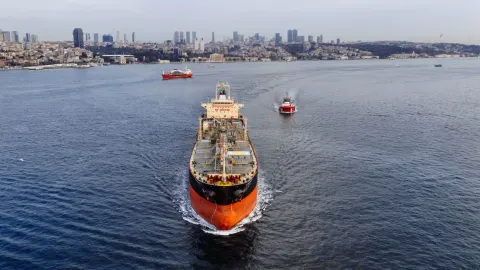
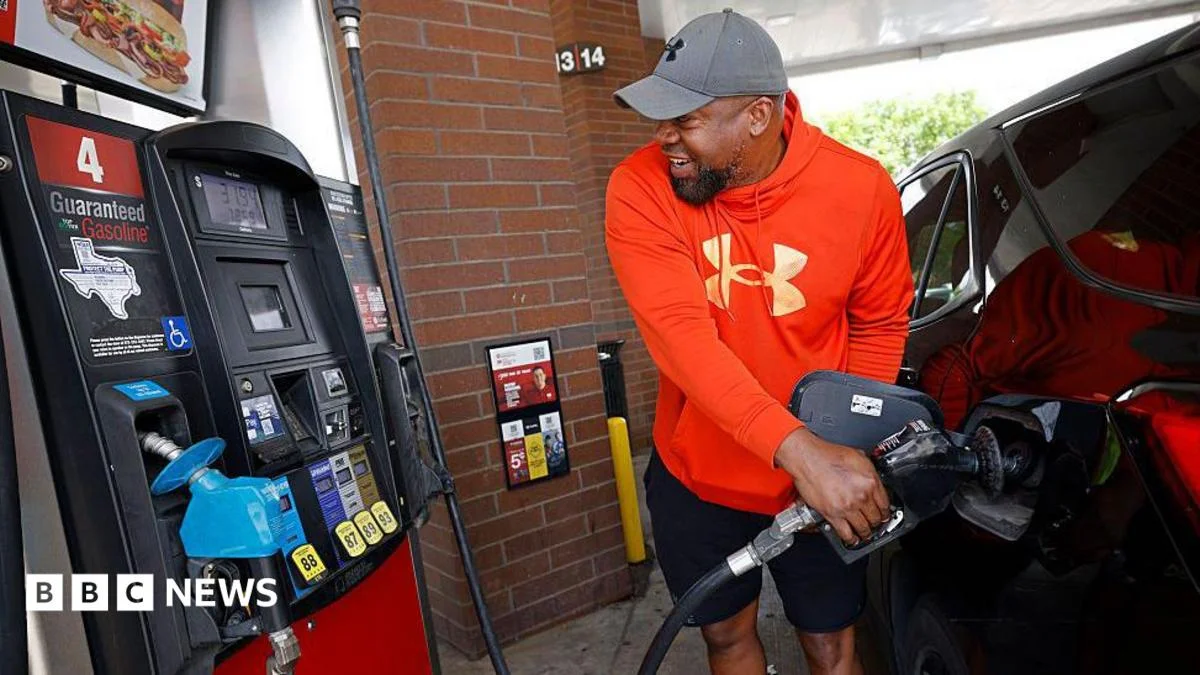
In a surprising turn for global energy markets, crude oil prices have fallen to levels not seen since before the onset of the latest conflict involving Iran. This retreat comes despite the high-stakes environment in the Persian Gulf, where the Strait of Hormuz remains a focal point of global anxiety. Market analysts suggest that the initial shock of potential supply disruptions is being replaced by a more pragmatic outlook as traders price in the possibility of a sustained, albeit tense, reopening of shipping lanes. The Gas Exporting Countries Forum (GECF) has further fueled this sentiment, indicating that natural gas markets are also on a path toward re-stabilization as the third quarter approaches.
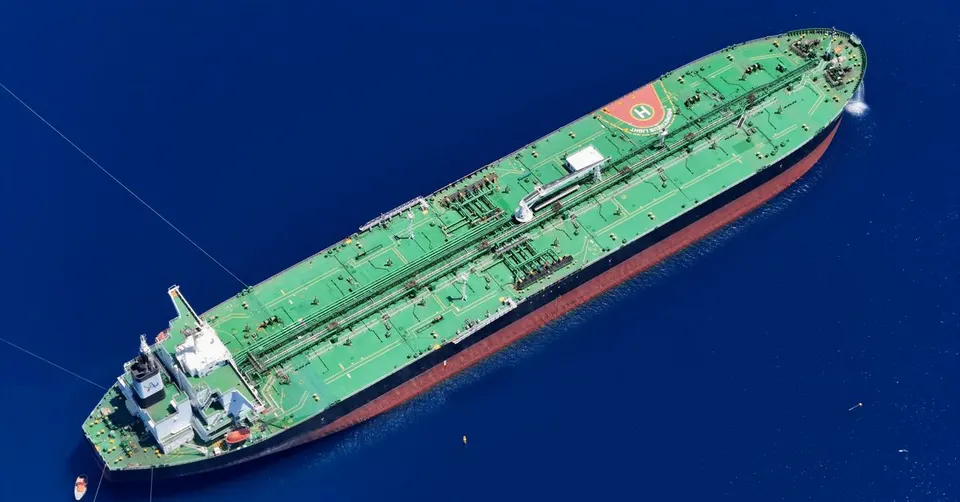
However, the calm in pricing masks a hardening of operational control on the water. The Naval Force of the Islamic Revolution Guards Corps (IRGC) has officially declared that vessels transiting the Strait of Hormuz must strictly adhere to routes designated by Tehran. This move follows reports of unauthorized shipping routes being proposed by external maritime authorities. By asserting that only Iran-designated channels are "safe routes," the IRGC is effectively institutionalizing its oversight of the world's most critical energy chokepoint. For the Iranian economy, this creates a dual reality: while global prices soften, reducing immediate windfall revenues, the state’s leverage over the logistics of the global energy trade is reaching an all-time high.
Geopolitical Friction: Spy Chiefs and International Courts
The security environment surrounding Iran is being described as "degraded" by international observers, particularly following stark warnings from Australian security officials. Mike Burgess, the head of Australia's domestic spy agency, recently voiced deep concerns regarding the potential for targeted operations against individuals on foreign soil. While such rhetoric is often part of broader diplomatic posturing, it signals a widening rift between Tehran and Western-aligned nations, complicating any path toward sanctions relief. This heightened alert level serves as a reminder that even as the kinetic conflict may appear to be cooling in some sectors, the shadow war of intelligence and security remains at a boiling point.
Simultaneously, the legal battleground over sanctions is expanding to the highest levels of international law. Several judges from the International Criminal Court (ICC), including Canadian judge Kimberly Prost, have initiated a lawsuit against the Trump administration. The suit alleges that the imposition of sanctions against court officials was a form of illegal retaliation. This case is particularly significant for Iranian interests as it challenges the unilateral use of economic sanctions by the United States as a tool of foreign policy. If the judges succeed, it could create a legal precedent that complicates the future enforcement of broad-based sanctions regimes, providing a potential opening for countries currently under heavy U.S. economic pressure.
---
Markets and Crypto: Toman Rises as Bitcoin Faces "Max Pain"
On the domestic front, the Iranian Toman has seen a modest decline in value over the last 24 hours. The USD/IRR exchange rate moved from 164,650 to 166,050, representing a 0.9% increase in the price of the dollar. This move reflects a cautious domestic market that is keeping a close eye on both the regional security developments and the upcoming U.S. inflation data. Gold has followed a similar upward trajectory, with 18k gold rising 1.1% to reach 16,027,517 Toman per gram. Investors appear to be hedging against potential volatility by moving back into hard assets, even as the immediate threat of a wider regional war seems to be temporarily priced out of the global oil market.
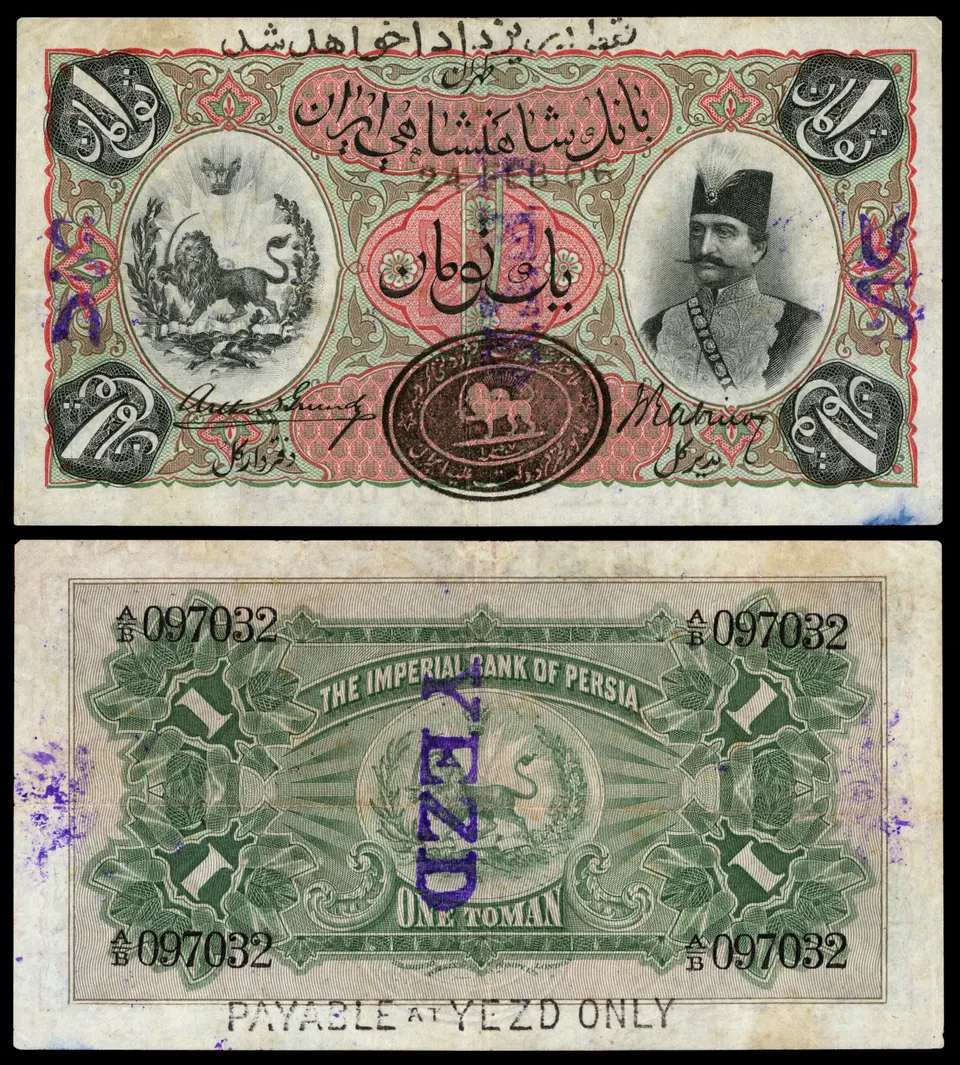
In the cryptocurrency space, Bitcoin is struggling to find its footing, currently trading at $61,739. The market is bracing for a massive $10 billion options expiry, and the popular "max pain" theory—which suggests prices gravitate toward a specific level to cause the most losses for option holders—has so far failed to materialize, as BTC remains well below the $72,000 magnet. Traders are now looking toward Thursday’s U.S. Core PCE data as a critical stress test. In a broader economic sense, the global labor market is also tightening; recruitment experts warn that getting noticed in the current environment requires a more strategic approach as firms become increasingly selective amidst the macro-economic uncertainty.

Frequently Asked Questions
Why is the oil price falling if the Strait of Hormuz is under tighter control?
What do the IRGC's 'designated routes' mean for international shipping?
Why is the ICC lawsuit against the Trump administration relevant to Iran?
The Strait of Hormuz: Global Energy's Vital Chokepoint
The recent headline highlights a crucial concept in global energy markets and international relations: the geopolitical significance of maritime chokepoints, particularly the Strait of Hormuz. A maritime chokepoint is a narrow channel of water connecting two larger bodies of water, through which significant international maritime traffic must pass. These passages are strategically vital because their closure or disruption can severely impact global trade, energy supplies, and military operations. The Strait of Hormuz, located between the Persian Gulf and the Gulf of Oman, is arguably the most critical such chokepoint for the world's oil supply.
Its importance stems from the sheer volume of energy resources that traverse its waters. Approximately one-fifth of the world's total petroleum liquids consumption and a significant portion of global liquefied natural gas (LNG) pass through this strait daily. Countries like Saudi Arabia, Iran, UAE, Kuwait, and Iraq, which are major oil producers, rely on the Strait for their exports. Any threat to shipping in this narrow passage—which is only about 21 nautical miles wide at its narrowest point—can send ripples across global energy markets, leading to immediate spikes in oil prices due to increased geopolitical risk premium and concerns over supply disruptions.
The Strait of Hormuz's strategic location makes it a focal point for regional and international tensions. Iran, with its extensive coastline along the Strait, has historically leveraged its control or threatened to disrupt shipping as a means of political and economic pressure. Actions by entities like the IRGC Navy, as mentioned in the headline, underscore the potential for such disruptions. For major oil-importing nations, particularly those in Asia and Europe, the security of transit through the Strait of Hormuz is a paramount energy security concern, driving foreign policy decisions and military deployments in the region.
Understanding the Strait of Hormuz as a critical chokepoint is essential for grasping the complexities of global energy security. It illustrates how geography and geopolitics intertwine to influence commodity prices, shape international alliances, and pose enduring challenges to the stability of the global economy. The fragility of this vital artery means that even perceived threats can have tangible and immediate economic consequences worldwide.