Iran's Spy Chief Warns of State-Sponsored Attacks; Parisians Seek Cool Relief in Canals
هشدار رئیس اطلاعات ایران درباره حملات دولتی؛ پاریسیها در کانالها خنکای تابستان را میجویند
Australia's spy chief has voiced grave concerns about Iran's potential for state-sponsored assassinations targeting its citizens. Meanwhile, in Paris, extreme heat is driving crowds to seek refuge in urban canals, highlighting a stark contrast between geopolitical tensions and the immediate realities of climate change.
At time of publishing
USD
164,650
Toman
Gold 18K
15.89M
Toman / gram
Bitcoin
$61,583
US Dollar
Tether
167,249
Toman
Iran's Shadow Threat Looms Over Australia
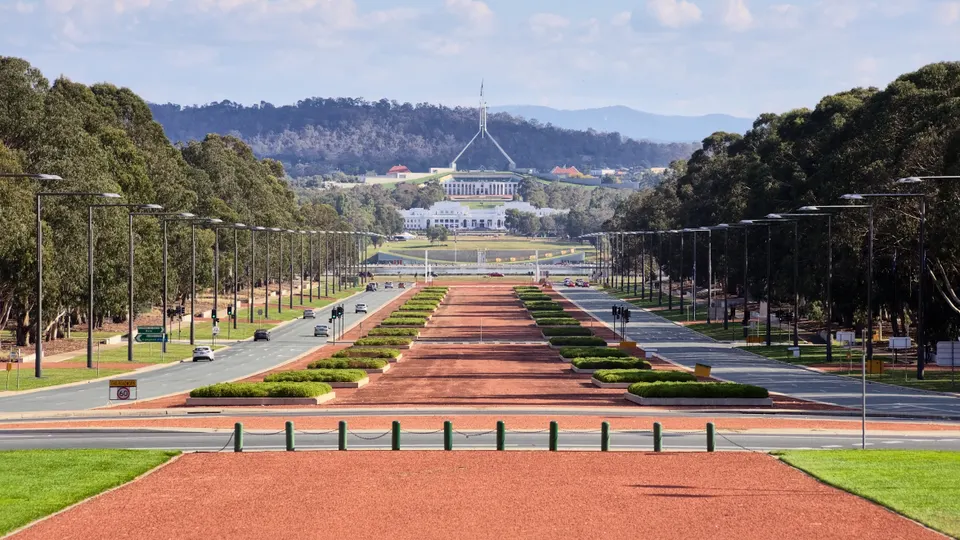
Australia's spy chief, Mike Burgess, has issued a stark warning regarding Iran's capacity and willingness to conduct state-sponsored assassinations against Australian citizens. Speaking on ABC RN Breakfast, Burgess expressed significant concern that Iran, along with other nation-states, could resort to extreme measures, including targeted killings, against both prominent Australians and everyday citizens. This statement underscores a severe degradation of the security environment, suggesting that Tehran may be prepared to act in ways that cross internationally unacceptable boundaries.
The implications of these remarks are profound. For Iran, such actions, if carried out, would further isolate the nation on the global stage, potentially inviting more stringent sanctions and diplomatic repercussions. For Australia, it signals a direct and potentially lethal threat emanating from a foreign power, necessitating a robust response in intelligence gathering and protective measures for its citizens. This heightened tension could impact regional stability and influence Australia's foreign policy decisions, particularly concerning its engagement with Middle Eastern powers and the broader geopolitical landscape. The reliance on intelligence assessments highlights the unseen battles being waged in the shadows of international relations.
---
Parisians Brave the Heat in Urban Waterways
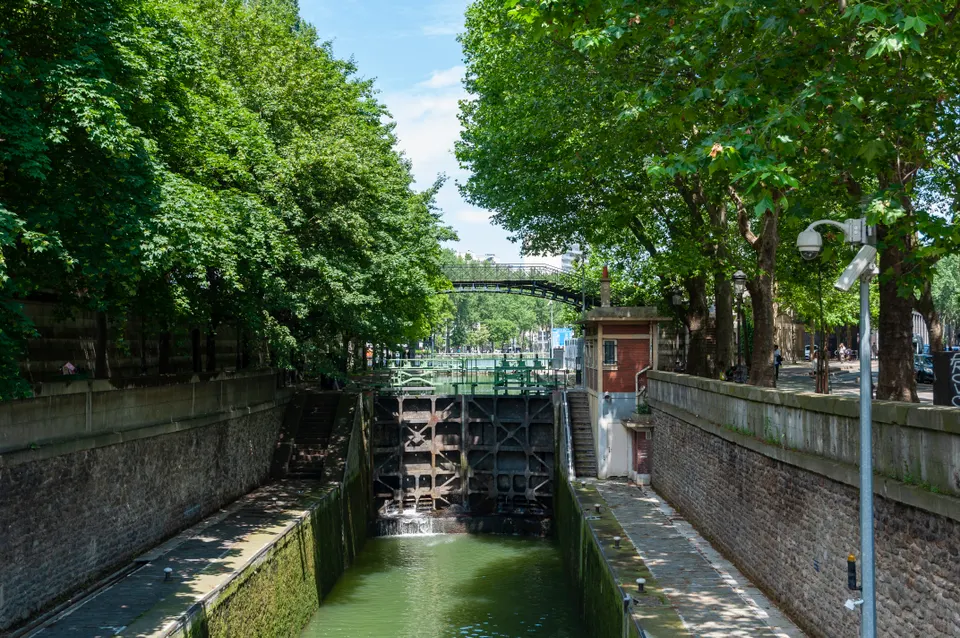
As extreme heatwave conditions grip Europe, residents of Paris are finding unconventional ways to cool down, with large crowds flocking to the Canal Saint-Martin. This picturesque industrial canal has become an impromptu public swimming spot as temperatures soar above 100 degrees Fahrenheit. While the sight of Parisians seeking relief in the water highlights the immediate human response to rising global temperatures, it also carries a somber undertone, given that forty individuals have already drowned in other waterways across France this season.
The surge in canal swimming in Paris is a direct consequence of the intensifying heat, a phenomenon increasingly linked to climate change. It represents a poignant juxtaposition: on one hand, the vibrant, albeit risky, human adaptation to oppressive weather; on the other, a stark reminder of the dangers posed by uncontrolled water bodies, especially when coupled with extreme heat that can impair judgment and physical capacity. This situation underscores the growing challenges faced by urban centers in managing public safety during heatwaves and the urgent need for infrastructure and policy adaptations to cope with a warming planet.
---
Venezuela Reels from Devastating Earthquakes
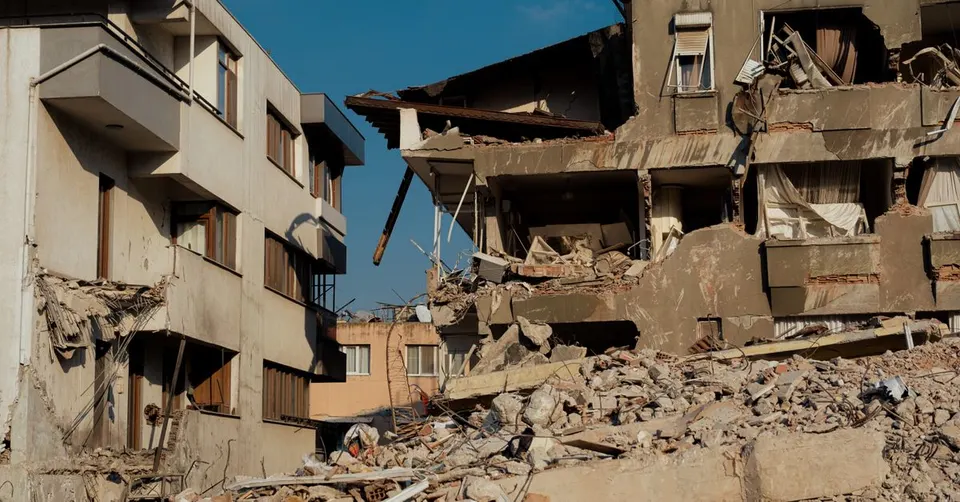
Venezuela has been struck by a series of powerful earthquakes, resulting in significant casualties and widespread destruction. Interim President Delcy Rodríguez has reported at least 32 dead and 700 injured, with dozens of buildings collapsing, particularly in the capital, Caracas. Rescue efforts are underway, with international assistance expected to arrive in the coming hours as the full extent of the devastation becomes clearer.
The earthquakes have plunged Venezuela into a humanitarian crisis, exacerbating existing economic and social challenges. The collapse of buildings in areas like Altamira points to structural vulnerabilities, possibly compounded by years of underinvestment in infrastructure. The immediate focus is on search and rescue operations, but the long-term implications for reconstruction, economic recovery, and the well-being of the affected population will be substantial. This natural disaster adds another layer of complexity to the nation's already precarious situation, demanding a coordinated and sustained response from both domestic authorities and the international community.
---
UK's Hybrid Learning Model Under Scrutiny
The United Kingdom's approach to education is being re-examined, with a recent focus on a hybrid learning model that combines remote and in-person classes. This system, exemplified by institutions like LPS Hybrid, is reportedly transforming the school experience for pupils, with some, like 16-year-old Ellie Ball, crediting it for a significant improvement in their educational engagement and future aspirations, such as pursuing 'astrolaw' at university.
While the reported success of hybrid learning for some students is encouraging, the broader implications are still unfolding. The debate around social media bans for pupils and the effectiveness of different educational delivery methods continues. The UK government's stance on such models, particularly in light of varying student outcomes and the potential for a digital divide, will be critical. This approach to education could signal a shift in pedagogical strategies, potentially influenced by the experiences gained during recent global disruptions and the evolving digital landscape. The long-term impact on student development, social interaction, and academic achievement remains a key area for observation.

Watch
Europe heatwave: Watch Parisians jump into canal during NBC reporter's live shot
NBC News
Frequently Asked Questions
What specific threat did Australia's spy chief warn about from Iran?
Why are people swimming in the Canal Saint-Martin in Paris?
What is the impact of the earthquakes in Venezuela?
What is the UK's approach to hybrid learning?
Are there any significant market movements mentioned?
Understanding Hybrid Warfare
Hybrid warfare represents a complex and multifaceted military strategy that blends conventional warfare tactics with irregular warfare, cyber warfare, and other non-military means of influence. Unlike traditional conflicts, its aim is often to achieve political objectives without triggering a full-scale conventional war, operating in the grey zone below the threshold of overt armed conflict. This approach leverages a wide array of tools to destabilize adversaries, sow discord, and exert pressure, making it a significant challenge to international security frameworks.
The tactics employed in hybrid warfare are diverse and often designed for deniability. They can include sophisticated cyberattacks targeting critical infrastructure, extensive disinformation campaigns aimed at manipulating public opinion and undermining trust in institutions, economic coercion, and the use of proxy forces or non-state actors to conduct attacks. Additionally, it encompasses traditional espionage, political interference, and even the weaponization of migration or energy resources. These actions are typically coordinated to create a cumulative effect, exploiting vulnerabilities within an adversary's society, economy, and political system.
States resort to hybrid warfare for several strategic advantages. It offers a degree of plausible deniability, allowing state actors to achieve their goals while avoiding direct attribution and the potential for conventional military retaliation. It is also often more cost-effective than traditional military engagements and can be highly effective in eroding an adversary's resolve and cohesion over time. The ambiguity inherent in hybrid tactics makes it difficult for targeted nations to formulate a clear and proportional response, as the actions may not meet the traditional definition of an act of war.
For instance, warnings from a spy chief about "state-sponsored attacks," as mentioned in the headline, directly allude to tactics often employed within a hybrid warfare framework. These could range from cyber intrusions and propaganda to support for subversive groups. Understanding hybrid warfare is crucial for navigating modern geopolitical landscapes, as it requires a comprehensive response that extends beyond military defense to include robust cyber security, resilience against disinformation, economic stability, and strong diplomatic efforts.
The challenges posed by hybrid warfare necessitate a holistic approach to national security, emphasizing not only military readiness but also societal resilience and international cooperation. As state and non-state actors continue to innovate in this domain, a deep understanding of these complex strategies becomes indispensable for policymakers, defense strategists, and the informed public alike.