Oil Slumps to Pre-Conflict Levels as Australia Issues High-Alert Warning on Iranian Security Threats
سقوط قیمت نفت به سطوح پیش از جنگ؛ هشدار بیسابقه امنیتی استرالیا درباره فعالیتهای برونمرزی ایران
Global oil prices have retreated to levels not seen since before the February escalation, as tanker traffic through the Strait of Hormuz doubles. Meanwhile, Australia's spy chief has issued a chilling warning regarding state-sponsored threats, and Bitcoin faces fresh pressure following reports of multi-billion dollar Iranian fund flows.
At time of publishing
USD
166,050
Toman
Gold 18K
16.06M
Toman / gram
Bitcoin
$61,675
US Dollar
Tether
165,502
Toman
The Great De-escalation? Oil Returns to Pre-War Baseline
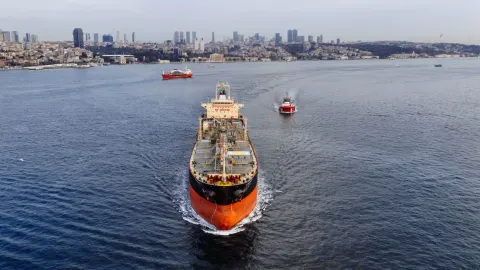
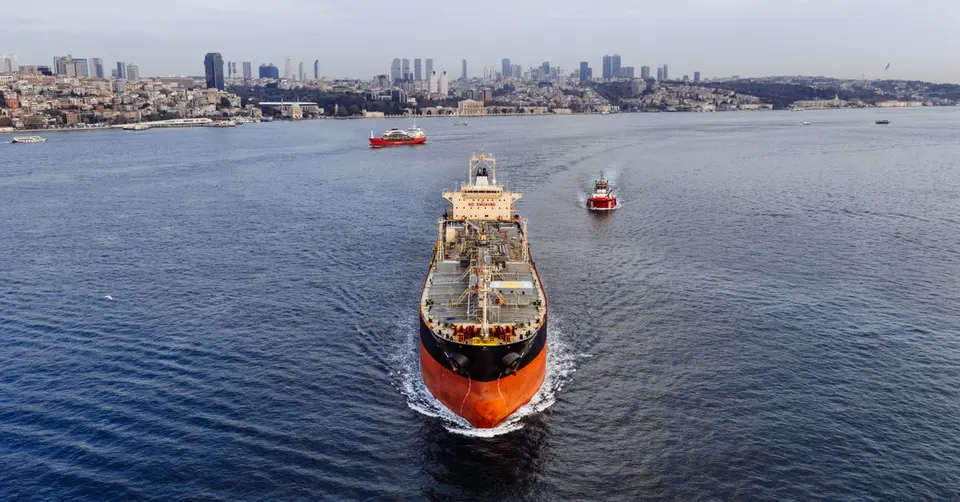
In a surprising turn for global energy markets, Brent crude has plummeted to $72.24 per barrel, effectively erasing all gains made since the onset of major regional hostilities in late February. This 20% monthly decline comes as vessel traffic through the critical Strait of Hormuz doubled within a mere 24 hours, reaching its highest activity level since the conflict began. Market analysts suggest that the "war premium"—the extra cost added to oil due to the risk of supply disruptions—is rapidly evaporating as traders gain confidence that a total blockade of the Persian Gulf is no longer an immediate threat.
However, while global prices drop, the domestic situation in Iran remains decoupled from this relief. The USD/IRR exchange rate moved from 164,650 to 166,050 (+0.9%) over the last 24 hours, indicating that internal inflationary pressures and currency scarcity are outweighing the global decline in energy costs. For the Iranian reader, this creates a double-edged sword: a shrinking national revenue from oil exports due to lower prices, combined with a weakening rial that makes imports increasingly expensive. Meanwhile, in the U.S., President Trump has publicly targeted major oil firms like Exxon and Shell, demanding gas prices drop to $2.25 per gallon, further complicating the global pricing narrative.
Australia Sounds the Alarm on State-Sponsored Threats
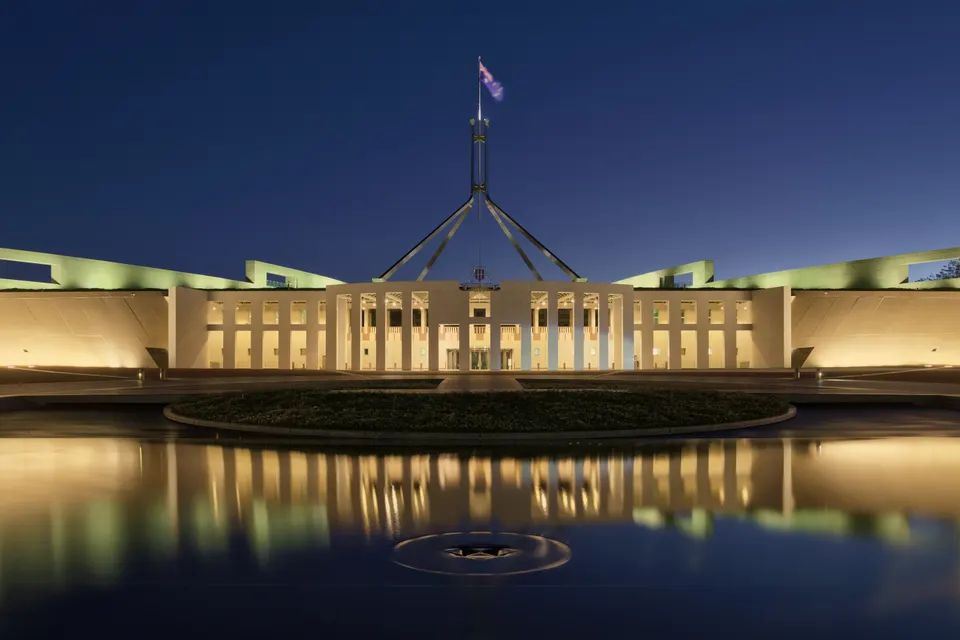
Mike Burgess, the head of the Australian Security Intelligence Organisation (ASIO), has delivered a stark assessment of the current security environment, specifically naming Iran as a primary concern. Speaking to national media, Burgess described the security landscape as "degraded," warning that the level of foreign interference has reached a point where targeted killings of Australians on home soil are a genuine possibility. He emphasized that the actions of certain nation-states, with Iran at the forefront, are reaching "extreme levels" that challenge the safety of both prominent figures and everyday citizens.
This diplomatic friction comes at a sensitive time for the Iranian diaspora. The rhetoric from Canberra suggests a hardening of Western stances, moving beyond economic sanctions into the realm of active counter-intelligence and physical security measures. For those tracking the geopolitical pulse, this shift often precedes more formal diplomatic downgrades or the designation of state entities as terrorist organizations in more jurisdictions. The "deeply weird" vision of a monocultural Australia, as discussed in the context of domestic politics there, is being used as a backdrop to defend a robust, integrated security response against foreign actors who seek to exploit multicultural vulnerabilities.
Crypto Scrutiny: The CoinEx Gateway and Market Liquidity
On the financial front, Bitcoin has slipped below the $62,000 threshold, currently trading at $61,675. This downward momentum is being fueled by a combination of massive ETF outflows and a new report from TRM Labs, which alleges that the CoinEx exchange has processed over $3.8 billion in Iran-linked funds. The report claims the exchange acted as a major gateway for the Islamic Revolutionary Guard Corps (IRGC) and other sanctioned entities. This revelation is likely to trigger a new wave of regulatory crackdowns on "no-KYC" or high-risk exchanges that Iranian users have traditionally relied upon to bypass financial blockades.
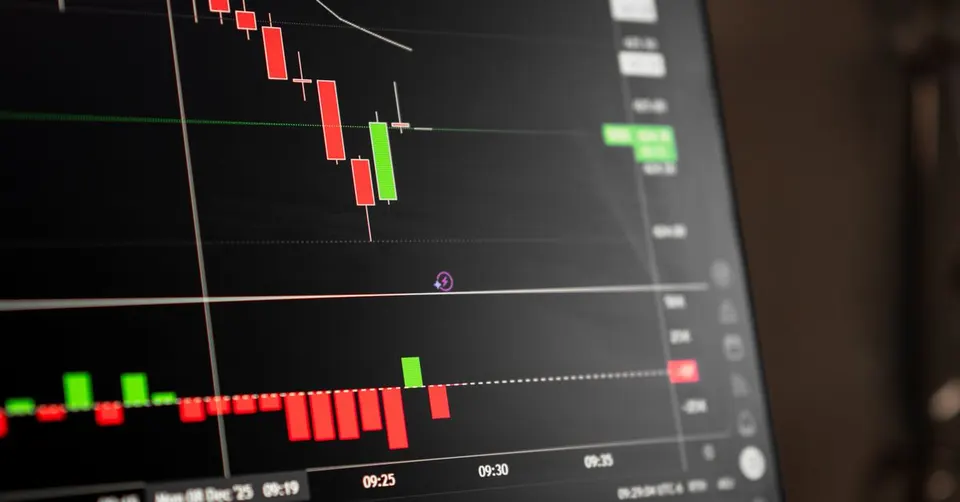
Beyond the crypto-specific news, the broader economic mood is shifting toward a "war-footing" mentality in Europe. In the UK, senior officials are lobbying for the introduction of "war bonds" to fund higher defense spending, a move supported by prospective leadership as a way to separate capital military investment from day-to-day spending. For Iranian investors, the combination of increased scrutiny on crypto gateways and the global pivot toward defense-heavy economies suggests that the era of easy digital workarounds may be closing. With gold 18k/gram rising from 15,856,687 to 16,064,915 (+1.3%), it is clear that local capital is once again seeking refuge in hard assets rather than digital alternatives or the volatile currency market.
Frequently Asked Questions
Why is the USD/IRR rising while global oil prices are falling?
What does the ASIO warning mean for Iranians living in Australia?
Is the CoinEx report a threat to individual Iranian crypto users?
Understanding the Geopolitical Risk Premium in Oil Prices
The global energy market is highly sensitive to geopolitical events, and a key concept for understanding this dynamic is the Geopolitical Risk Premium in Oil Prices. This refers to the additional cost built into the price of crude oil due to the perceived risk of supply disruptions stemming from political instability, conflicts, or security threats in major oil-producing regions or critical transit chokepoints. When tensions rise, even without an actual disruption, the market anticipates potential future shortages, pushing prices higher as a precautionary measure.
A prime example of where this premium frequently manifests is the Middle East, particularly concerning the Strait of Hormuz. This narrow waterway, bordered by Iran and Oman, is a vital maritime route through which a significant portion of the world's seaborne oil passes daily. Any threat to shipping in the Strait of Hormuz, whether from military action, sanctions, or heightened security alerts, immediately triggers concerns about global oil supply, leading traders and investors to factor in a higher risk, thus increasing the price of oil.
The headline's mention of "Iranian Security Threats" and the "Strait of Hormuz shipping" directly relates to this premium. While the headline notes oil "slumps," this could indicate that other market forces (like oversupply or weakening demand) are currently outweighing the potential for a risk premium, or that the market is constantly re-evaluating the likelihood and severity of disruptions. However, the underlying potential for a geopolitical risk premium remains a critical factor that can quickly re-emerge and drive prices upwards should the perceived threat escalate or materialize.
Understanding the geopolitical risk premium is crucial for anyone following global economics. It explains why oil prices don't solely reflect supply and demand fundamentals but also incorporate a significant psychological and anticipatory component based on international political developments. This premium can contribute to inflation, impact national budgets, and influence investment decisions across various sectors, highlighting the intricate link between geopolitics and the global economy.