Justice Transparency in High-Profile Case and Maritime Tensions: Oil Prices Slump on Iranian Supply Bets
شفافیت قضایی در پرونده جنجالی و تنشهای دریایی؛ ریزش قیمت نفت با پیشبینی افزایش عرضه ایران
A UK court lifts anonymity for 13 men in a shocking abuse case, while Iran asserts its authority over the Strait of Hormuz. Meanwhile, global oil prices are retreating as traders bet on an influx of Iranian crude into the market.
At time of publishing
USD
165,750
Toman
Gold 18K
16.27M
Toman / gram
Bitcoin
$59,385
US Dollar
Tether
166,993
Toman
Judicial Transparency and the End of Anonymity
In a move that has sent shockwaves through the international legal community, a UK court has officially lifted the anonymity order on 13 men charged in connection with a horrific case involving the drugging and raping of a woman over two decades. The defendants, who include a paramedic, a football coach, and a taxi driver, were previously shielded from public identification. This decision marks a significant shift toward judicial transparency, emphasizing that the gravity of such crimes outweighs the privacy rights of the accused once formal charges are processed. The main trial is set for September, and the lifting of these restrictions allows for a broader public discourse on community safety and the vetting of professionals in sensitive roles.
For readers in Iran and the wider region, this development resonates deeply within the context of ongoing debates about legal reform and the protection of victims' rights. When high-profile cases involving systemic abuse are brought to light with full transparency, it often serves as a catalyst for legislative change globally. The fact that individuals in positions of public trust—such as medical professionals and educators—were involved highlights a universal challenge: the need for more rigorous institutional oversight. As this case progresses toward its September trial date, it will likely remain a focal point for international human rights observers monitoring how modern judiciaries handle long-term, complex abuse conspiracies.
Maritime Sovereignty and the Drone Arms Race
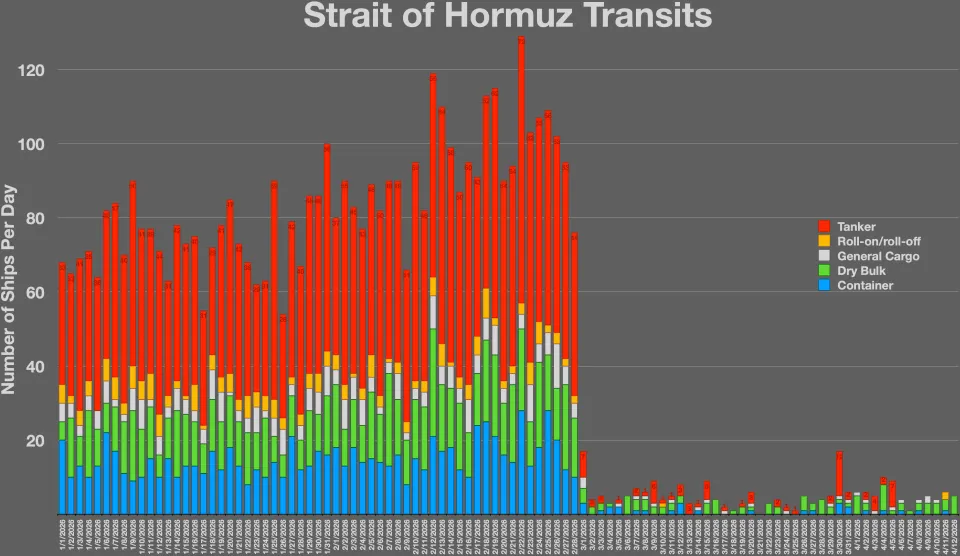
Geopolitical tensions in the Persian Gulf have escalated following Iran's official assertion of its right to control traffic within the Strait of Hormuz. This statement follows an incident where Iranian forces fired upon a container ship that had reportedly strayed into waters claimed by Tehran near the Omani coast. By pressing its claim to authority over this vital maritime chokepoint, Iran is signaling a more assertive posture in regional security. This move directly impacts global shipping insurance rates and creates a climate of uncertainty for international trade, as the Strait remains the primary artery for the world's energy supply.
Simultaneously, the technological landscape of regional defense is shifting rapidly. South Korea has announced an ambitious plan to equip every soldier with a personal drone, aiming to manufacture over 100,000 units within the next three years to counter threats from the North. This move toward automated and unmanned defense systems is a strategy increasingly mirrored in the Middle East, where drone technology has become a cornerstone of modern asymmetric warfare. For Iranian observers, the proliferation of low-cost, high-impact aerial tech signifies a new era where traditional military numbers are less critical than technological edge and domestic manufacturing capabilities.
Market Volatility: Oil Slumps as Traders Bet on Iran
The global energy market is witnessing a notable correction as WTI crude oil prices sank toward the $71.53 mark, a significant drop of over 5% within the week. This downward pressure is largely driven by market participants betting on a substantial increase in Iranian oil exports. Traders are beginning to price out the "risk premium" previously added due to Middle Eastern tensions, shifting their focus instead to the potential for a supply glut. As negotiations and regional shifts suggest a more stable flow of Iranian crude to international markets, the immediate fear of a supply cutoff in the Persian Gulf has begun to fade, leading to a bearish sentiment in the short term.
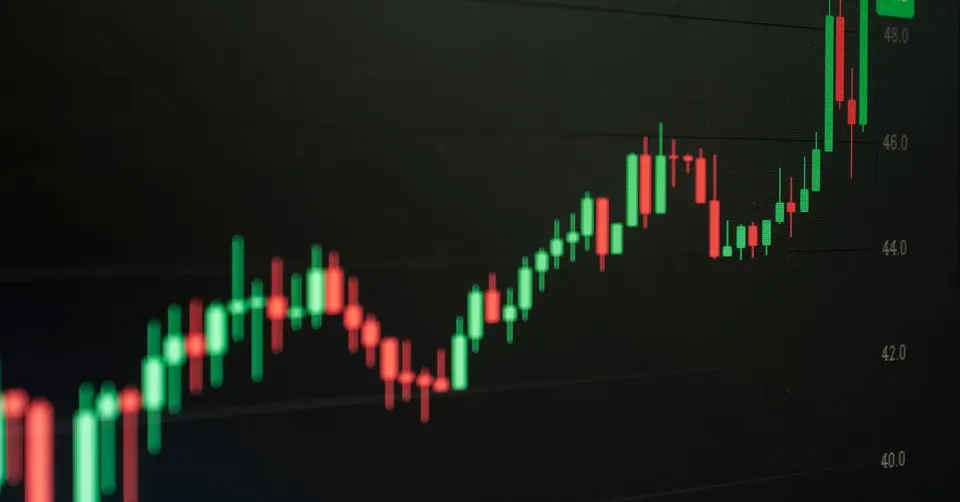
In the broader financial markets, the S&P 500 is currently locked in a fierce tug-of-war between bulls and bears. Volatility indicators are flashing mixed signals, with heavy put buying suggesting that institutional investors are hedging against a potential downturn. Locally, the Iranian market remains relatively stable despite the global churn. The USD/IRR rate is holding steady at 165,750 Toman, showing 0.0% change over the last 24 hours. However, Gold 18k has seen a slight uptick, rising from 16,200,886 to 16,271,526 Toman (+0.4%). This minor gain in gold, coupled with Bitcoin’s struggle to maintain the $60,000 level, suggests that local investors are still favoring traditional safe-haven assets as they navigate the complex signals from the global economy.
Frequently Asked Questions
Why is the price of oil falling despite tensions in the Middle East?
What is the significance of the UK court lifting anonymity for the 13 defendants?
How is the Iranian Toman reacting to these global shifts?
The Strategic Chokepoint: Why the Strait of Hormuz Drives Global Oil Prices
The Strait of Hormuz, a narrow waterway between Oman and Iran, is one of the world’s most critical maritime chokepoints. Roughly 20% of global petroleum liquids—about 21 million barrels per day—pass through its 21‑mile width, making it a literal bottleneck for oil‑dependent economies. Its strategic importance stems not only from geography but also from the fact that a handful of nations, chiefly Iran, Saudi Arabia, the United Arab Emirates, and Kuwait, ship the bulk of their exports through this corridor.
When political or military tension flares in the region—such as threats of Iranian retaliation, naval drills, or attacks on tankers—the risk of a sudden supply disruption spikes dramatically. Traders react by pricing in a “risk premium,” causing oil futures to jump even if actual production has not changed. Conversely, when the threat perception eases, the premium evaporates and prices can tumble, as we saw when markets slumped on bets that Iranian oil shipments would resume after a diplomatic lull.
This dynamic is a textbook case of market volatility driven by supply‑side uncertainty. Futures contracts, options, and spot markets all embed expectations about the likelihood of a blockage. The volatility is quantified by metrics like the CBOE Crude Oil Volatility Index (OVX), which spikes during crises in the Hormuz corridor. Investors therefore monitor not only inventory data but also naval movements, sanctions announcements, and even court rulings that could affect the legal environment for oil carriers.
For oil‑importing nations, the Hormuz risk underscores the value of strategic petroleum reserves and diversification of supply routes—such as pipelines through the Gulf or shipments from alternative regions. Understanding the chokepoint’s role helps policymakers gauge the trade‑off between diplomatic engagement with Iran and the economic cost of heightened price swings.
Topics
Related Articles