Colombia Mine Tragedy Claims 14 Lives Amid Gold Record Highs; US-Ukraine Relations Fray Over Russian Strikes
فاجعه در معادن طلای کلمبیا با ۱۴ کشته همزمان با رکوردشکنی قیمت جهانی؛ شکاف در روابط واشینگتن و کییف
A deadly gold mine collapse in Colombia highlights the human cost of record-high metal prices, while tensions between the US and Ukraine escalate following unannounced Russian strikes. Meanwhile, the IRGC reports downing another US drone in the Strait of Hormuz as energy prices spike.
At time of publishing
USD
262,100
Toman
Gold 18K
26.53M
Toman / gram
Bitcoin
$81,566
US Dollar
Tether
259,721
Toman
The Deadly Cost of the Global Gold Rush
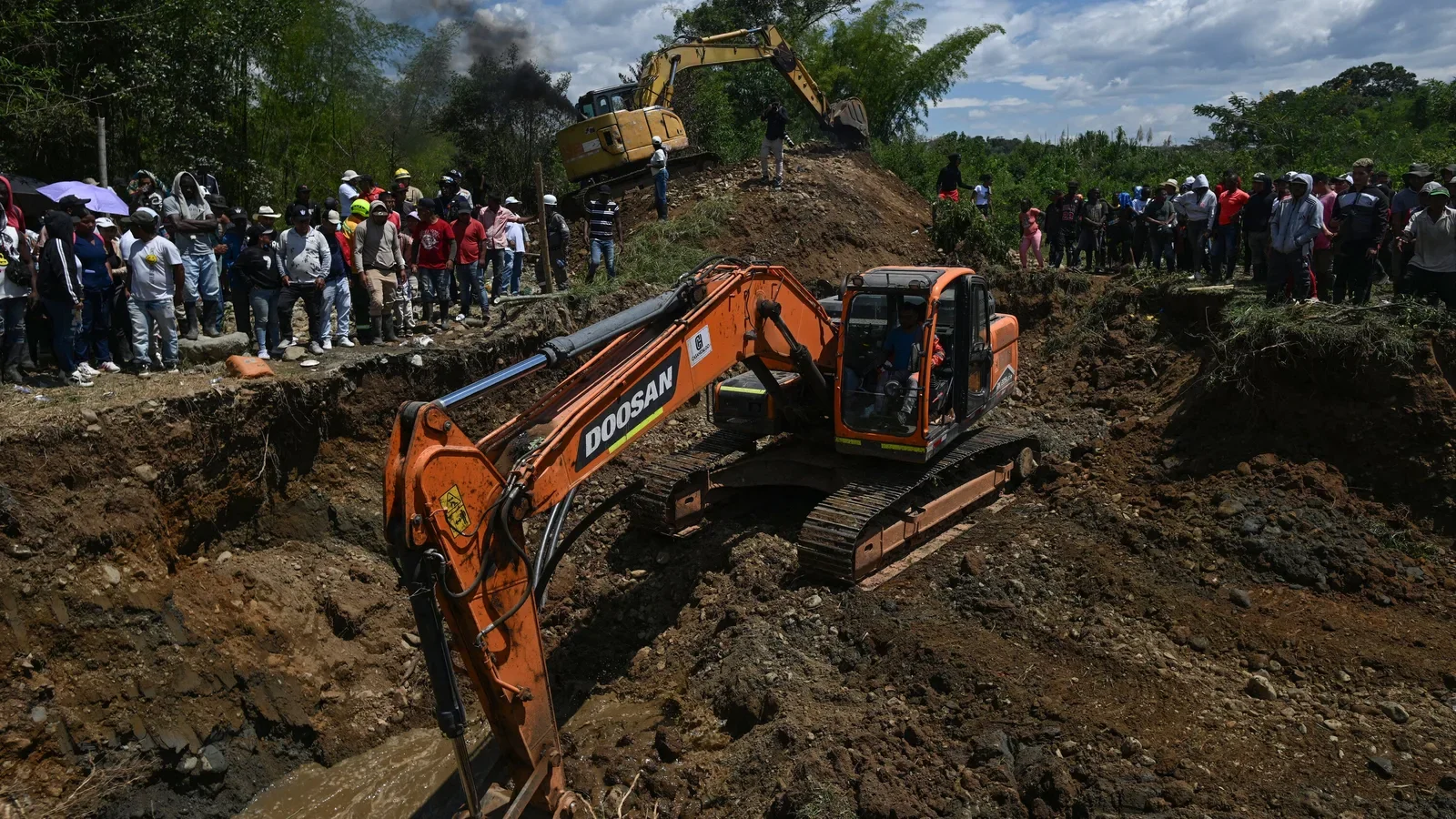
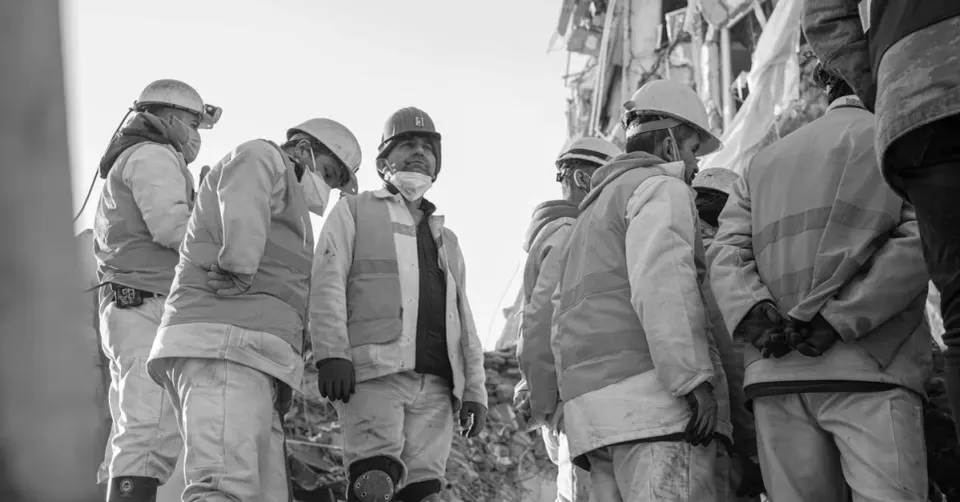
A tragic collapse at an unlicensed gold mine in Colombia has left at least 14 miners dead, highlighting the dangerous surge in informal mining activities as global gold prices reach unprecedented levels. The incident, reported by local authorities and international observers, occurred in a region where small-scale, often illegal operations have proliferated in response to the metal's skyrocketing value. With gold currently trading at $4,128.70 per ounce, the incentive for impoverished communities to engage in high-risk extraction has never been higher, leading to a disregard for safety protocols and environmental regulations.
This surge in unlicensed mining is not unique to Colombia but is a growing trend across South America and Africa. As the global economy faces inflationary pressures and geopolitical instability, gold remains the ultimate safe-haven asset. However, the 'gold rush' of 2026 is increasingly characterized by these types of structural failures. For investors and consumers, this tragedy raises significant questions about the ethical sourcing of precious metals and the lack of oversight in emerging markets that provide a substantial portion of the world's supply. In the local Iranian market, this global trend is felt directly, with Gold 18k/gram rising from 26,150,791 to 26,531,695 Toman, a 1.5% increase in just 24 hours.
---
Geopolitical Frictions: Trump, Putin, and the Ukraine Warning Gap
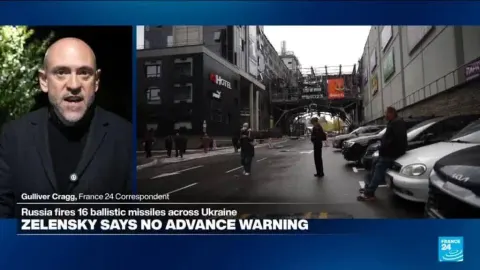
Relations between Washington and Kyiv have hit a new low following reports that the United States failed to provide intelligence or warning regarding a massive Russian missile strike on Ukrainian power plants. Ukrainian President Volodymyr Zelenskyy has publicly accused the Trump administration of a 'denial of reality,' suggesting that the lack of communication is a deliberate tactic to pressure Kyiv into negotiations with Moscow. This development follows reports that President Trump is intensifying his push for a grand deal with Vladimir Putin, even if it comes at the expense of Ukrainian territorial integrity and security guarantees.
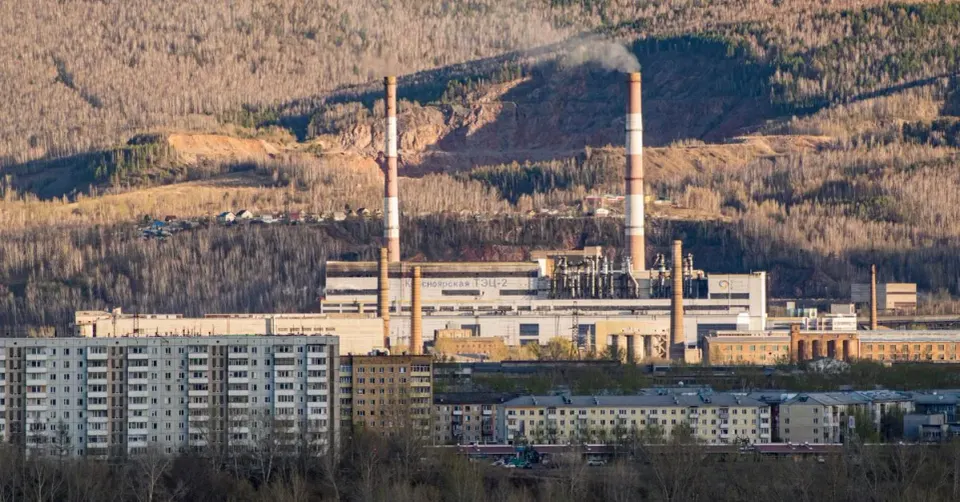
This shift in US foreign policy represents a significant departure from previous years of unwavering support. Sources indicate that Trump’s frustration with the protracted conflict has led to a prioritization of normalization with Russia to stabilize global energy markets and reduce military expenditures. For the broader geopolitical landscape, this 'warning gap' signals a fracturing of the Western alliance. If Kyiv can no longer rely on American intelligence, the likelihood of a forced settlement increases, which could fundamentally redraw the map of Eastern Europe and alter the security architecture of the entire continent for decades to come.
---
Regional Escalation: Drones and Rhetoric in the Strait of Hormuz
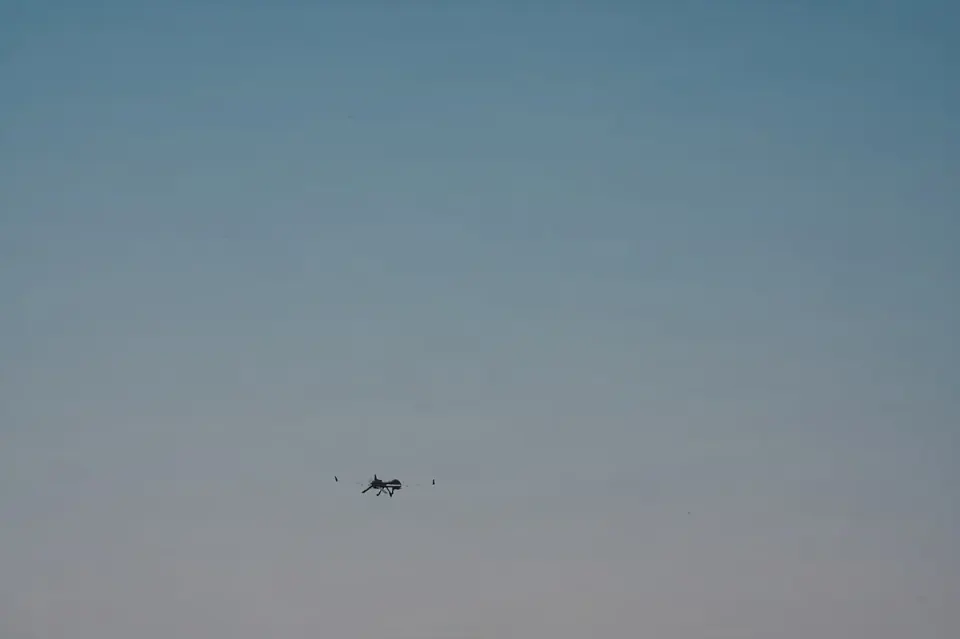
The Strait of Hormuz has once again become a flashpoint as the Islamic Revolution Guards Corps (IRGC) announced the downing of a US MQ-1 drone over the strategic waterway. This incident follows a series of aggressive rhetorical exchanges between Tehran and Washington, with Donald Trump recently threatening the use of high-yield conventional explosives—referencing the 'mother of all bombs'—against Iranian targets. Iran’s ambassador to Russia, Kazem Jalali, responded by stating that such threats would not break the 'resolve' of the Iranian nation, framing the US actions as a continuation of failed maximum pressure policies.
The military friction is having an immediate impact on global energy logistics. Asian LNG prices have surged past $30 per million British thermal units as shipping risks in the Middle East escalate. While the Iranian domestic currency market remained stable over the last 24 hours, with the USD sell rate holding at 262,100 Toman (+0.0%), the underlying tension suggests a fragile peace. The downing of high-value surveillance assets like the MQ-1 indicates that both sides are testing boundaries, raising the risk of a miscalculation that could disrupt the flow of nearly 20% of the world's oil and gas supply.
Frequently Asked Questions
Why did the gold mine in Colombia collapse?
Why is there tension between Zelenskyy and Trump?
What impact did the drone downing have on markets?
Gold as a Safe-Haven Asset Amidst Global Uncertainty
The recent news of record-high gold prices, even amidst tragic events like the Colombia mine collapse, highlights a crucial economic concept: Gold as a Safe-Haven Asset. In times of geopolitical instability, economic uncertainty, or market volatility, investors and central banks often flock to certain assets perceived as reliable stores of value, and gold has historically been the quintessential example. Unlike fiat currencies, which can be subject to inflation or the stability of their issuing governments, gold possesses an inherent, tangible value that transcends national borders and economic systems.
This "safe-haven" status stems from several factors. Gold has been recognized as a medium of exchange and a store of wealth for millennia, giving it deep cultural and historical credibility. Its limited supply and the high cost of extraction further contribute to its perceived value. When headlines speak of fraying international relations, conflicts like those in Ukraine, or tensions in critical trade routes like the Strait of Hormuz, the demand for gold typically rises. This increased demand is driven by a desire to protect wealth from potential currency depreciation, stock market crashes, or general economic downturns that often accompany such crises.
For investors, allocating a portion of their portfolio to gold can act as a hedge against systemic risks. When other asset classes like stocks or bonds perform poorly due to global shocks, gold often moves in the opposite direction, providing a degree of stability. Central banks also hold vast reserves of gold as part of their national assets, seeing it as a critical component of their financial stability toolkit, especially in an era of fluctuating global currencies and unpredictable geopolitical landscapes. The surge in gold prices, therefore, isn't just a market anomaly; it's a direct reflection of heightened global anxieties and a collective flight towards perceived safety.