Tehran Shifts Iraq Strategy as Pezeshkian Signals 'Peace Without Surrender' Amid Regional Tensions
تغییر راهبرد تهران در قبال بغداد؛ پیام «صلح بدون تسلیم» پزشکیان همزمان با اوجگیری تنشها در منطقه
As Iran’s envoy calls for a technological leap in Iraq relations, President Pezeshkian frames a new diplomatic stance against sanctions. Meanwhile, US Defense Secretary Hegseth’s surprise Israel visit and rising domestic prices in Iran keep markets on edge.
At time of publishing
USD
264,700
Toman
Gold 18K
26.46M
Toman / gram
Bitcoin
$81,436
US Dollar
Tether
262,677
Toman
A New Chapter in Iran-Iraq Relations: From Students to Science
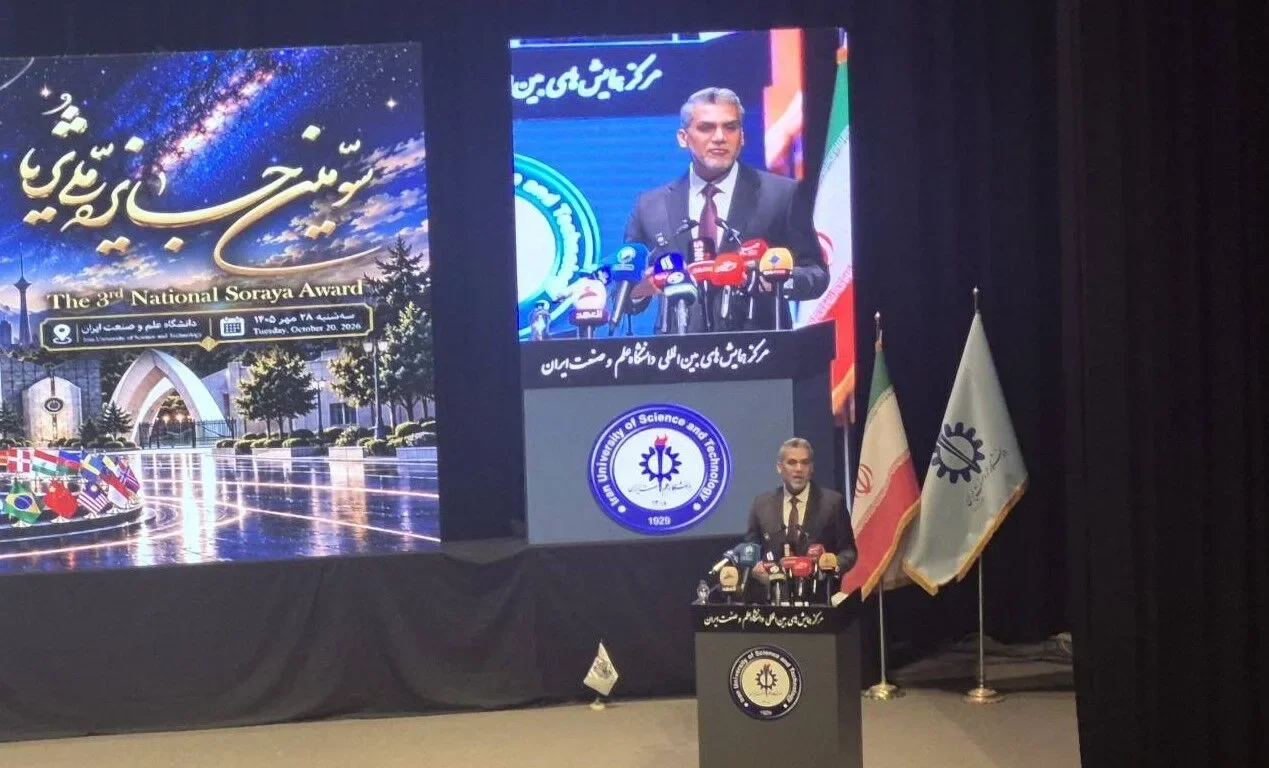
In a notable shift in regional strategy, Iran’s ambassador to Iraq has called for a fundamental restructuring of bilateral cooperation. Rather than focusing primarily on student recruitment and traditional academic exchanges, Tehran is now pushing for the implementation of joint technological projects and the exchange of high-level researchers. This move, reported by state media, suggests that the Islamic Republic is looking to deepen its institutional footprint in Iraq through technical and industrial integration, moving beyond the 'soft power' of education into the more strategic realm of shared infrastructure and technology development.
This shift comes at a time when Iran is seeking to diversify its economic and strategic partnerships to mitigate the impact of international isolation. By embedding its technical experts and joint research initiatives into the Iraqi economy, the government likely hopes to create a more resilient network of regional allies that are tied to Tehran through more than just religious or political affinity. For the average Iranian, this could eventually translate into new avenues for technical exports, although the immediate concern remains whether such regional ambitions will divert resources from a domestic economy struggling with high inflation and infrastructure decay.
Diplomacy vs. Deterrence: Pezeshkian and the Hegseth Visit
President Masoud Pezeshkian recently articulated a stance of 'Peace, Not Surrender' in an interview with Al Jazeera, emphasizing that while Iran seeks to lower regional tensions and end the crushing weight of sanctions, it will not do so from a position of weakness. This rhetorical maneuvering attempts to satisfy domestic hardliners who fear any perceived capitulation to the West, while simultaneously signaling to the international community that a diplomatic window remains open. However, this message of 'peace' is being tested by the realities on the ground, specifically the ongoing friction between US-backed interests and Iranian regional proxies.
Compounding this tension is the unannounced visit of US Defense Secretary Pete Hegseth to Israel for talks with Prime Minister Benjamin Netanyahu. Hegseth’s trip, occurring just a week before Israeli elections, signals a robust reaffirmation of the US-Israel military alliance at a moment when diplomatic efforts to curb regional conflict have largely stalled. For Iranian markets, this visit is viewed as a precursor to potential escalation or, at the very least, a sign that the 'maximum pressure' environment is unlikely to soften in the near term. The contrast between Pezeshkian's call for Muslim unity and the hardening of the US-Israeli security axis continues to drive volatility in the Toman’s exchange rate.
---
Markets React: Toman Weakens as Gold Hits New Peaks
The domestic market in Iran has reacted sharply to the combination of regional geopolitical uncertainty and global economic trends. On Tuesday, October 20, 2026, the US Dollar (USD) rose from 262,100 to 264,700 Toman, marking a 1.0% increase in just 24 hours. This move reflects a growing demand for hard currency as a hedge against potential instability. Similarly, the price of 18-karat gold climbed from 26,150,791 to 26,462,440 Toman per gram, a 1.2% jump that underscores the 'flight to safety' among Iranian savers who are increasingly wary of the Toman’s purchasing power.

In the global arena, Bitcoin has seen a slight correction, dropping to $81,436 as Asian markets faced a sell-off in technology stocks. Despite this short-term dip, a new report from JPMorgan suggests a bullish long-term outlook, predicting 10% annual returns for Bitcoin over the next decade—outperforming traditional assets like stocks and gold. For Iranian crypto investors, the current price action is a double-edged sword: while the global USD price of BTC is consolidating, the rising USD/IRR rate means the cost of entry in Toman remains prohibitively high for many, further squeezing the middle class's ability to diversify their wealth outside of the local system.
Global Unrest and the Cost of Living Crisis
The economic pressures felt in Iran are finding echoes across the globe, albeit under different circumstances. In Italy, the government of Giorgia Meloni has announced the deployment of 500 troops to Milan following days of violent protests and looting triggered by the rising cost of living. This move toward 'tougher security measures' highlights a growing trend of civil unrest in Europe as inflation eats into household budgets. While the context differs from Iran’s sanctions-driven inflation, the result is the same: a state response focused on security and order rather than immediate economic relief.
Meanwhile, in the UK, a public inquiry into the handling of the Covid-19 pandemic has released damning findings, stating that government failures allowed the virus to spread 'like wildfire' in care homes. This serves as a reminder of the long-term institutional damage and public mistrust that can result from crisis mismanagement. For the global observer, these stories from Europe and Britain illustrate that governance challenges and economic fragility are not confined to the Middle East, though the tools available to Western citizens to demand accountability remain a stark contrast to the environment in Tehran.
Frequently Asked Questions
چرا قیمت دلار و طلا در ۲۸ مهر ۱۴۰۵ افزایش یافت؟
تغییر راهبرد علمی ایران در عراق به چه معناست؟
پیشبینی جیپی مورگان درباره بیتکوین چیست؟
Understanding Currency Depreciation and Its Far-Reaching Impact
Currency depreciation refers to the decline in the value of a country's currency relative to other currencies or a basket of goods and services. When a currency depreciates, it means that more units of that currency are required to purchase the same amount of a foreign currency (like the US Dollar) or a commodity (like gold). This phenomenon is often driven by a complex interplay of factors, including high domestic inflation, persistent trade deficits, capital flight due to economic uncertainty, or geopolitical instability and international sanctions. For instance, if the Iranian Toman depreciates against the US Dollar, it signifies that the purchasing power of the Toman has diminished, making imports more expensive.
TheThe economic consequences of currency depreciation are profound and multifaceted. Domestically, it leads to higher prices for imported goods, contributing to inflation and eroding the purchasing power of citizens. This can spark public discontent, as seen in "cost of living protests" in various countries. Conversely, a weaker currency can make a nation's exports cheaper and more competitive on the global market, potentially boosting export-oriented industries. However, in economies heavily reliant on imports, the negative effects often outweigh the benefits, leading to a general decline in living standards and a search for alternative stores of value, such as gold, as a hedge against inflation and currency instability.
Beyond economics, currency depreciation can have significant geopolitical implications. A nation with a weakening currency may find its international standing diminished, its ability to engage in global trade and finance hampered, and its leverage in diplomatic negotiations reduced. Leaders might be compelled to adjust their foreign policy strategies – for example, seeking "peace without surrender" or fostering "scientific cooperation" – to stabilize the domestic economic environment and bolster confidence in the national currency. The stability of a currency is often seen as a barometer of a country's overall health, influencing both its domestic tranquility and its regional influence amidst "regional tensions."