Trump Accuses Iran of Ceasefire Breach as Hormuz Tensions Escalate
ترامپ ایران را به نقض آتشبس در هرمز متهم میکند
Tensions rise in the Strait of Hormuz after a Singapore-flagged vessel is attacked. President Trump blames Iran for breaching the ceasefire, impacting global oil markets and regional stability.
At time of publishing
USD
164,750
Toman
Gold 18K
16.23M
Toman / gram
Bitcoin
$59,725
US Dollar
Tether
165,310
Toman
Strait of Hormuz Tensions Escalate
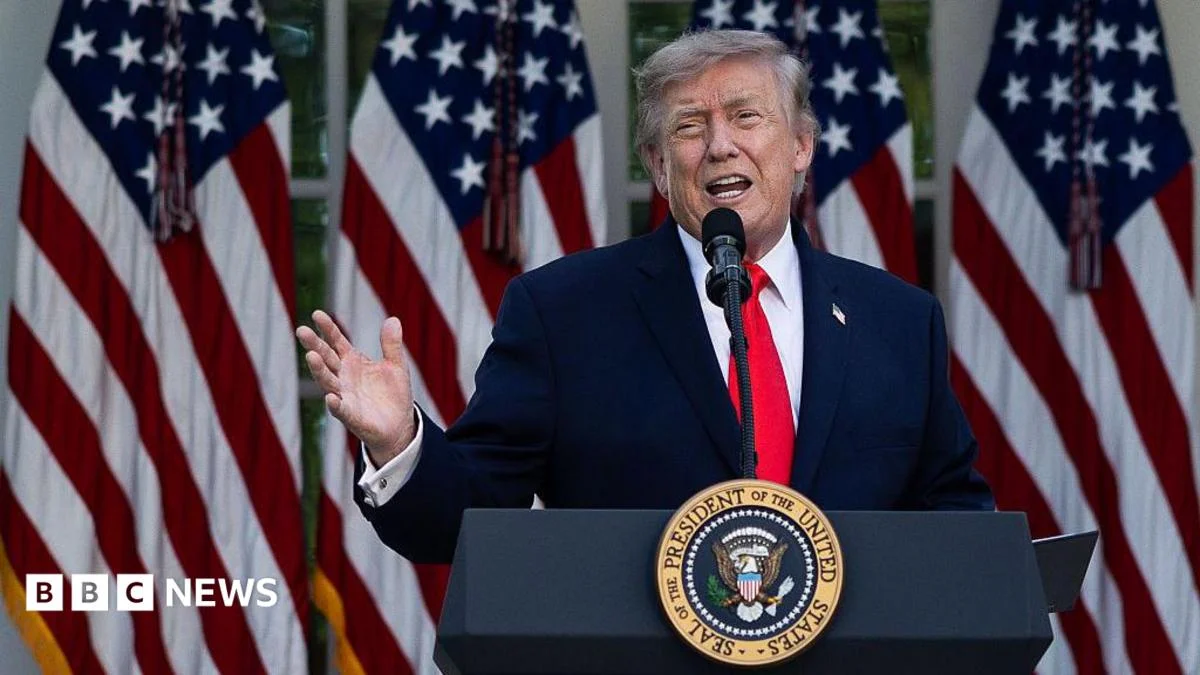
In a significant development, President Donald Trump has accused Iran of violating a ceasefire agreement following an attack on a Singapore-flagged vessel in the Strait of Hormuz. The incident, which took place on Thursday, has led to heightened tensions in the region, prompting a pause in evacuation efforts. The attack underscores the fragile nature of maritime security in one of the world's most critical shipping lanes.
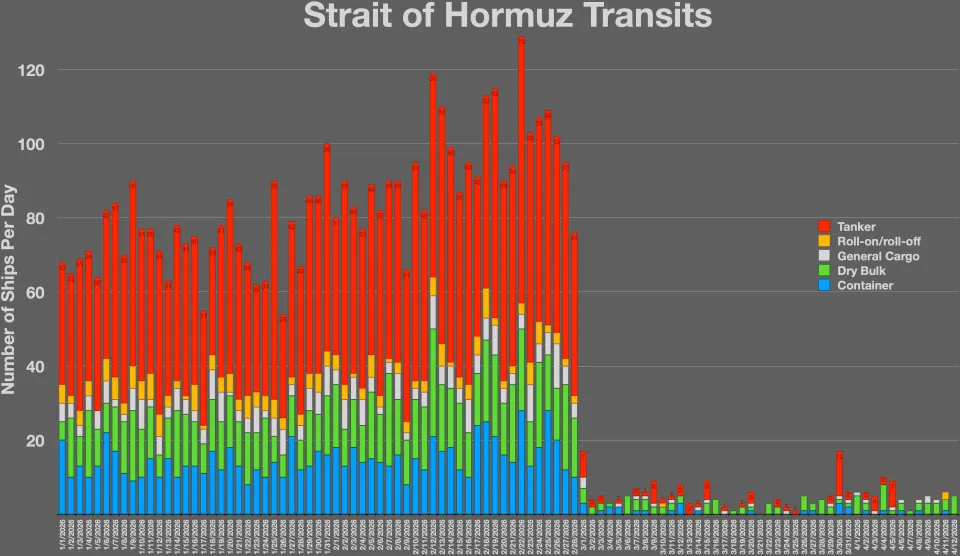
The Strait of Hormuz is a strategic chokepoint through which a substantial portion of the world's oil passes, making any disruption in the area a matter of global concern. This accusation comes amid ongoing geopolitical tensions and could potentially lead to increased sanctions or military actions, further destabilizing the Middle East. For Iran, the accusation could exacerbate existing economic pressures, particularly affecting its currency and trade relations.
Impact on Global Oil Markets
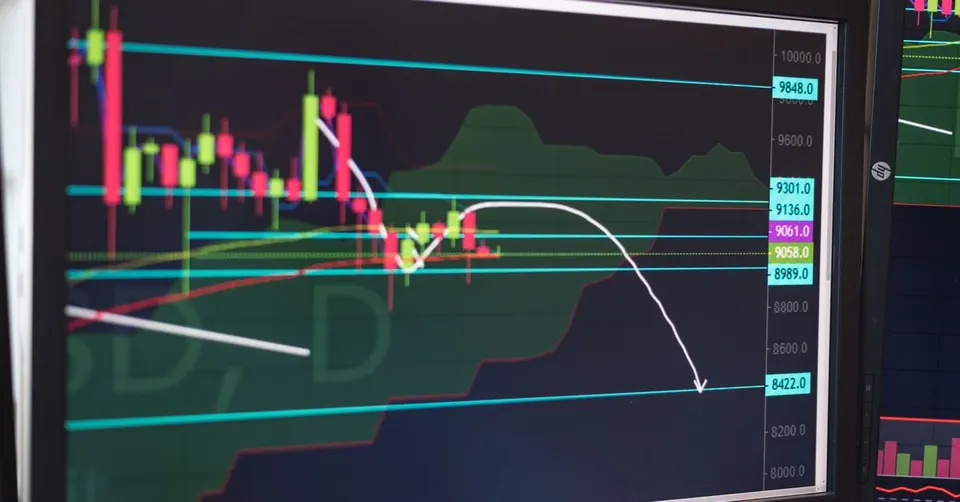
The confirmation of a ceasefire breach by Iran has sent ripples through global oil markets. Oil prices, which have been under pressure recently, faced further volatility after the news broke. Analysts suggest that prices may have dropped "too far, too fast," leading to speculation about potential corrections. The geopolitical instability adds an unpredictable element to the market, affecting everything from crude oil prices to energy stocks.
The implications for Iran are significant, as its economy is heavily reliant on oil exports. Any sustained disruption in oil shipments could lead to a decrease in national revenue, amplifying economic challenges. For international markets, a prolonged crisis could result in increased oil prices, affecting inflation rates and economic growth globally.
Iran-UK Diplomatic Talks Amidst Rising Tensions
While tensions escalate in the Strait of Hormuz, diplomatic efforts continue on other fronts. Iranian Foreign Minister Abbas Araghchi has engaged in discussions with his UK counterpart to address the implementation of the Islamabad Memorandum of Understanding. This MoU aims to foster better bilateral relations and cooperation, amidst a backdrop of regional instability.
These talks highlight the complex diplomatic landscape Iran navigates, balancing regional security concerns with international diplomatic engagements. The outcome of these discussions could influence Iran's foreign policy and economic strategies, impacting everything from trade agreements to international relations.
US Drillers React to Hormuz Developments
In response to the resumed transit in the Strait of Hormuz, US oil and gas drillers have increased their activities. According to Baker Hughes, the total number of active drilling rigs in the United States has risen, reflecting a proactive stance towards potential changes in global oil supply dynamics. This increase signals confidence in the resilience of US energy infrastructure amidst geopolitical uncertainties.
For Iran, the energy sector developments in the US could pose competitive challenges. As US production ramps up, Iran may face heightened competition in key markets, potentially affecting its oil export revenues. The interplay between US energy policy and Middle Eastern geopolitics remains a critical factor in global energy stability.
Broader Geopolitical Implications
The current developments in the Strait of Hormuz are part of a broader geopolitical chess game involving various global powers. As tensions mount, the international community watches closely, with potential repercussions for global trade, energy security, and diplomatic relations. The situation underscores the interconnectedness of regional conflicts and global markets, highlighting the need for strategic diplomacy and conflict resolution.
For Iranian readers, these developments are a reminder of the country's pivotal role in global geopolitics and the direct impact such tensions can have on national well-being, currency stability, and economic prospects.
Watch
JUST IN: Evacuations SUSPENDED in Strait of Hormuz after Iran escalation
Fox News
Frequently Asked Questions
What happened in the Strait of Hormuz?
How did the attack affect global oil markets?
What diplomatic actions are being taken?
How are US energy sectors responding?
What are the broader implications of these events?
The Strategic Importance of the Strait of Hormuz
The Strait of Hormuz is a narrow waterway that connects the Persian Gulf with the Gulf of Oman and the open ocean. At its narrowest point it is only about 21 nautical miles wide, yet roughly 20% of the world’s petroleum—about 21 million barrels per day—passes through this chokepoint. Because the majority of the oil comes from Saudi Arabia, Iran, Iraq, Kuwait, and the United Arab Emirates, any disruption in the strait can instantly reverberate through global energy markets, pushing prices up and affecting everything from gasoline at the pump to the cost of manufacturing goods.
Because of its outsized role in the global oil supply chain, the strait is a focal point of geopolitical competition. Nations with naval capabilities, especially the United States and Iran, have repeatedly demonstrated their ability to influence traffic through the waterway—whether by escorting merchant vessels, conducting naval drills, or, in more extreme cases, threatening to block or mine the passage. Such actions turn the strait into a lever of diplomatic pressure, where a “cease‑fire breach” or a threat of closure can be used to extract concessions in broader negotiations.
Energy security, the concept of ensuring reliable and affordable access to energy, hinges on the stability of chokepoints like Hormuz. When the strait is perceived as insecure, oil traders may turn to alternative routes or higher‑priced crude, leading to market volatility. Moreover, countries that are heavily dependent on imported oil—such as many Asian economies—must factor the risk of Hormuz disruptions into their strategic reserves and diversification strategies.
Understanding the dynamics of the Strait of Hormuz helps explain why headlines about diplomatic spats, military posturing, or accusations of cease‑fire violations can cause immediate spikes in oil prices. It also underscores why international bodies and major powers invest in naval presence and diplomatic dialogues aimed at keeping the waterway open, as even a brief interruption can have cascading effects on the global economy.
Topics
Related Articles