Bolton Pleads Guilty in Security Case as US Government Halts Major AI Releases and OPEC Faces Fracture
اعتراف جان بولتون به جرم در پرونده امنیتی همزمان با توقف عرضه هوش مصنوعی توسط واشینگتن و بحران در اوپک
Former National Security Adviser John Bolton faces prison after a surprise guilty plea regarding classified documents, while OpenAI and Anthropic delay flagship models at the White House's request. Meanwhile, Iraq’s threat to exit OPEC and Saudi price cuts signal a massive shift in the global energy landscape.
At time of publishing
USD
165,750
Toman
Gold 18K
16.41M
Toman / gram
Bitcoin
$60,048
US Dollar
Tether
166,774
Toman
The Fall of a Hawk: John Bolton Pleads Guilty
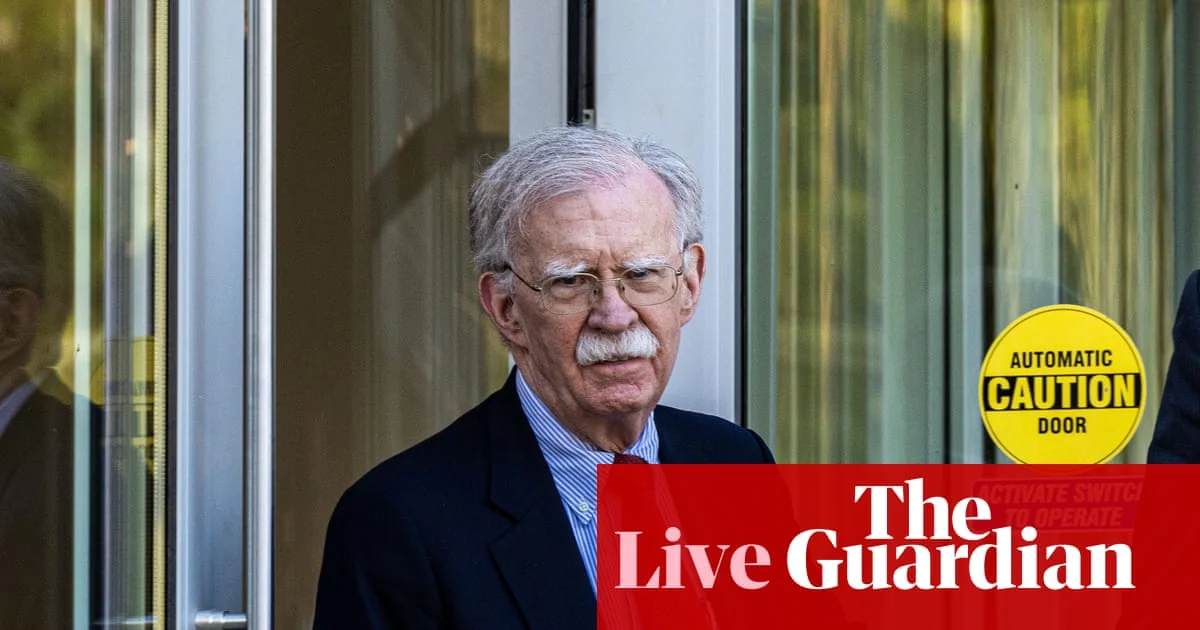
John Bolton, the former National Security Adviser known for his hawkish stance on Iran and global intervention, has entered a guilty plea in a federal court in Maryland. The charges stem from his unlawful retention of sensitive national security information, primarily involving diary entries he used to write his scathing memoir about the Trump administration. While Bolton was once the architect of "maximum pressure," he now faces up to five years in prison and a $2.25 million fine, marking a dramatic legal downfall for one of Washington’s most polarizing figures. The plea agreement comes after months of speculation regarding the transmission of classified materials to family members, a move that the Justice Department characterized as a grave breach of trust.
This development is more than just a legal headline; it reflects the intensifying battle over classified information and executive loyalty within the US political sphere. For Iranian markets and policy observers, Bolton’s legal troubles signal a weakening of the old-guard "regime change" lobby in Washington. As the US legal system turns inward, the immediate geopolitical pressure on Tehran may shift from individual hawks to broader institutional policies. However, the precedent set here regarding information control suggests that the current administration is willing to use the full force of the law to punish dissent among its former inner circle, creating a climate of extreme caution in US-Iran diplomatic backchannels.

AI Innovation Hits a Regulatory Wall
In a move that has sent shockwaves through Silicon Valley, OpenAI CEO Sam Altman announced that the release of GPT 5.6 will be "staggered" and limited to a small group of partners following a direct request from the US government. This follows a similar situation with Anthropic’s "Mythos" model, which has been offline for weeks after a White House ultimatum. The government’s intervention suggests a new era where artificial intelligence is treated as a matter of national security rather than just a commercial product. The delay is reportedly linked to concerns over the models' capabilities in autonomous cyber-warfare and biochemical research, areas where the administration is keen to maintain a strategic edge.
The implications for the global tech economy are profound. If the US government continues to gatekeep AI releases, the rapid pace of innovation that fueled the 2024-2025 bull market could stall. For businesses in the Middle East and elsewhere relying on these tools for productivity, this "managed release" strategy creates significant uncertainty. It signals that the "AI arms race" is no longer just between private companies, but is now a controlled instrument of state power. This shift could lead to a fragmented global AI landscape, where non-allied nations are forced to develop their own sovereign models to avoid being left behind by Washington's regulatory bottlenecks.

Energy Markets Bracing for an OPEC Fracture
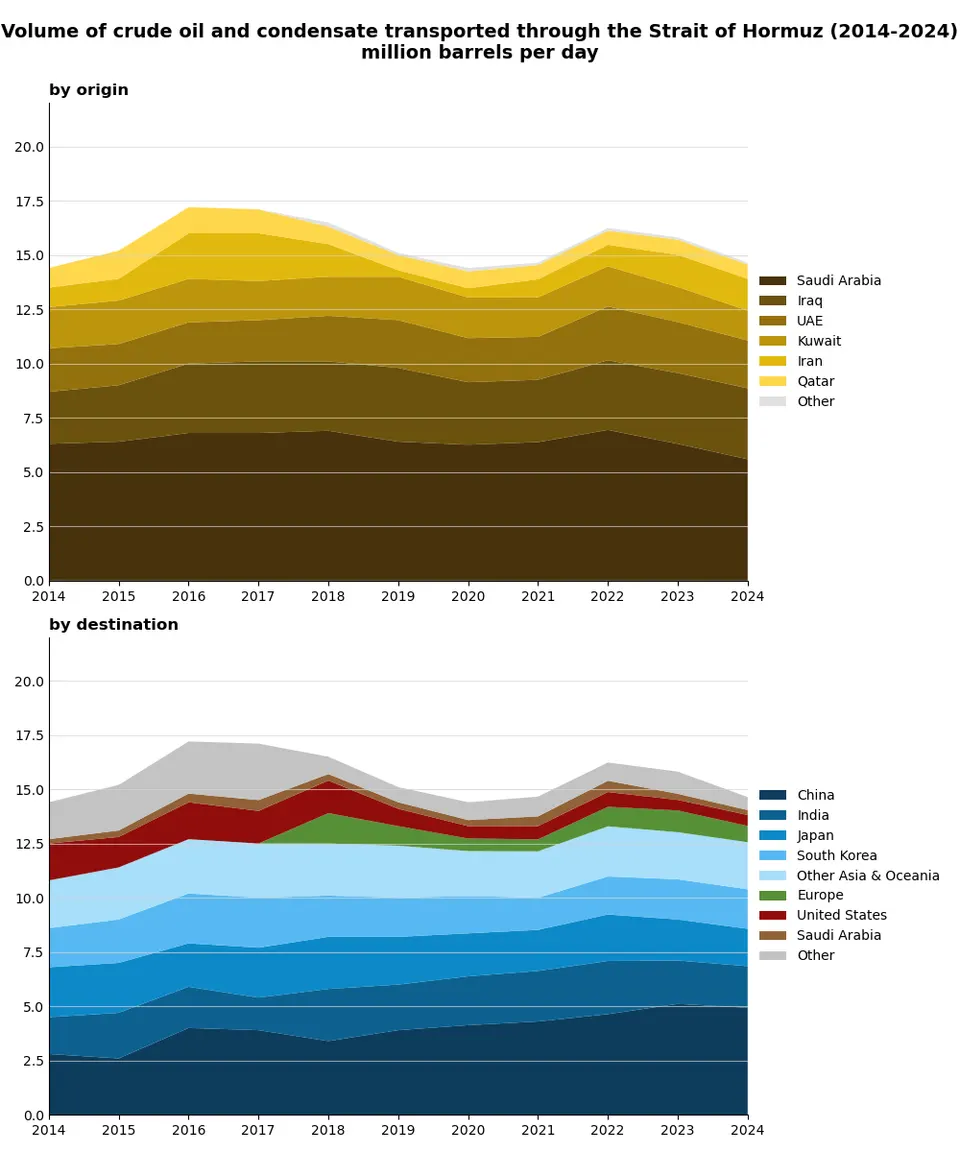
Global energy stability is on thin ice as Iraq hints at a potential exit from OPEC, mirroring earlier moves by the UAE. Baghdad’s frustration stems from production quotas that it feels stifle its economic recovery and its ability to fund critical infrastructure projects. Simultaneously, Saudi Arabia’s Aramco is expected to slash oil prices by as much as $8 per barrel for Asian markets as the Strait of Hormuz tentatively reopens. This combination of internal cartel dissent and aggressive price-cutting suggests a looming supply glut that could drive oil prices below the $50-per-barrel mark, a level not seen in years.
For the Iranian economy, these developments are critical. While the USD/IRR rate remained flat at 165,750 Toman today, a sustained drop in global oil prices would eventually weaken the Central Bank's ability to defend the currency. Interestingly, gold 18k rose by 1.3% from 16,200,886 to 16,411,653 Toman per gram, suggesting that local investors are hedging against potential energy-sector volatility by moving into precious metals. If OPEC fails to maintain unity, the resulting price war could significantly impact the regional balance of power, forcing oil-dependent nations to drastically reassess their 2026 fiscal budgets.
Venture Capital Shifts Focus Beyond Crypto
Framework Ventures has successfully raised $400 million for its fourth fund, but in a telling sign of the times, the firm is expanding its focus beyond traditional blockchain investments. The new capital is earmarked for AI, robotics, and energy startups, reflecting a broader trend where venture capital is moving toward "hard tech" that offers tangible real-world applications. While the firm maintains its commitment to crypto, the diversification highlights a cooling sentiment toward pure-play Web3 projects in favor of integrated technologies that combine decentralized ledgers with physical automation.
In the markets, Bitcoin (BTC) is currently trading at $60,048, maintaining a fragile support level as ETFs continue to see significant outflows. The $10.6 billion options expiry looming this Friday has kept traders on edge, preventing any major upward momentum. For Iranian crypto enthusiasts, the stability of USDT at 166,774 Toman provides a slight premium over the official market rate, indicating continued local demand for digital dollars as a safety net against the broader geopolitical and energy-related risks mentioned above.
Frequently Asked Questions
Why did John Bolton plead guilty and what are the consequences?
Why is the US government stopping OpenAI and Anthropic from releasing new models?
How would Iraq's exit from OPEC affect global oil prices?
The Geopolitics of Oil: OPEC's Evolving Role
The Organization of the Petroleum Exporting Countries (OPEC) has historically been a formidable force in global energy markets, often dictating oil prices and supply through coordinated production quotas. Established in 1960, its primary goal was to unify petroleum policies among member countries, stabilize oil markets, and ensure a steady income for producers. For decades, particularly during the 1970s oil crises, OPEC demonstrated significant power, influencing geopolitical events and global economic stability through its control over a substantial portion of the world's proven oil reserves and production.
However, the landscape of global oil production and consumption is undergoing a profound transformation, challenging OPEC's traditional dominance. Internal rifts, such as the potential withdrawal of members like Iraq by 2026 and Saudi Arabia's strategic oil price cuts, highlight growing disagreements within the cartel. These internal pressures are compounded by external factors, including the rise of non-OPEC producers—most notably the United States with its shale oil revolution—and the accelerating global transition towards renewable energy sources. Such developments dilute OPEC's market share and reduce its capacity to unilaterally influence prices.
The diminishing cohesion within OPEC and the diversification of global oil supply have significant geopolitical and economic implications. Increased price volatility and supply uncertainty become more likely, affecting everything from inflation in consumer nations to the stability of oil-dependent economies. For countries like Iran, whose economy is heavily reliant on oil exports and simultaneously grapples with international sanctions, these shifts in the global oil market, coupled with internal currency pressures (like the Toman's value against gold), exacerbate economic challenges and complicate foreign policy considerations, intertwining energy economics with broader geopolitical tensions.
Understanding OPEC's evolving role is crucial for grasping the intricate interplay between energy markets, international relations, and national economies. As the world navigates energy transitions and geopolitical realignments, the future of oil power will increasingly depend on a complex web of supply-demand dynamics, technological advancements, and the shifting alliances among key global players, rather than the singular influence of any one cartel.
Topics
Related Articles