Brexit's Ripple Effects: Iran's Economic Outlook Amid UK's Political Shifts
پیامدهای برگزیت: چشمانداز اقتصادی ایران در میان تحولات سیاسی بریتانیا
Amidst Brexit's evolving landscape, Iran's economic sphere braces for potential impacts as the UK navigates political shifts. Meanwhile, Trump's tariff threats and Morocco's legal drama add layers to the geopolitical scene.
At time of publishing
USD
164,750
Toman
Gold 18K
16.23M
Toman / gram
Bitcoin
$59,860
US Dollar
Tether
165,800
Toman
Brexit's Ongoing Impact on Iran
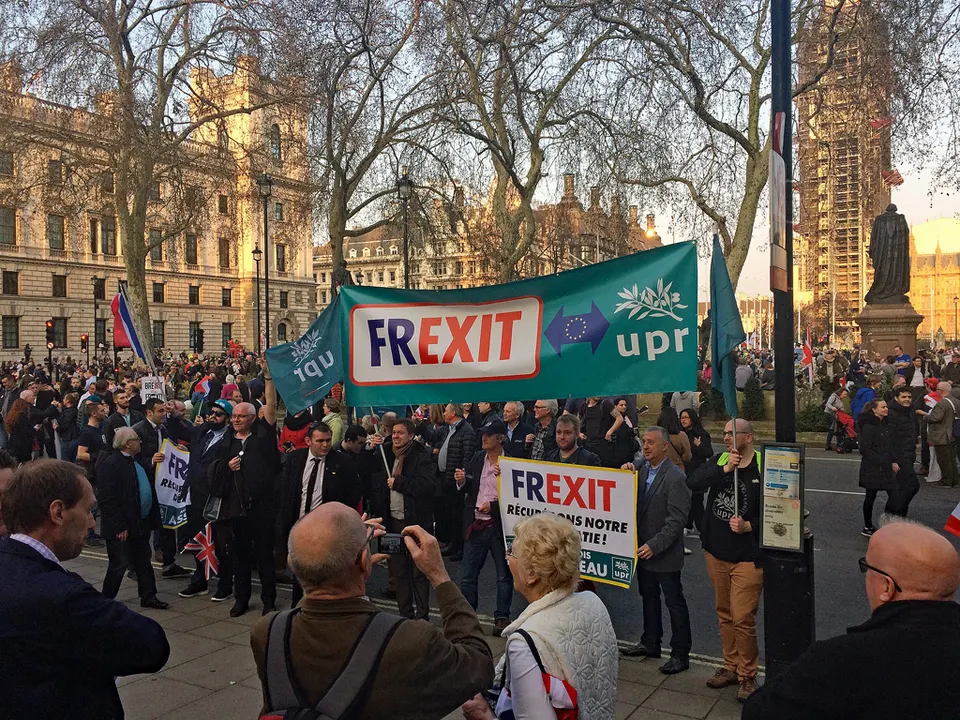
As the United Kingdom marks ten years since the Brexit vote, the political landscape in Britain is witnessing significant shifts. Keir Starmer's resignation has opened the door for Andy Burnham, a move that could potentially reshape UK-Iran relations. With new leadership possibly shifting focus towards more inward policies, Iran's existing and future trade arrangements with the UK might face adjustments. Such changes could influence Iran's currency expectations and trade dynamics, given the historical ties and mutual interests between the two nations.
Iranian businesses and economists are closely monitoring these developments. Potential changes in trade policies or economic partnerships could either alleviate or exacerbate Iran's ongoing economic challenges, especially in light of sanctions and limited global partnerships. The ripple effects of Brexit on European economic stability also hold implications for Iran, as shifts in the EU's economic policies could indirectly affect Iran's trade and economic planning.
US Tariff Threats and Their Global Implications
In a renewed threat, US President Donald Trump has warned of imposing 100% tariffs on countries enacting digital services taxes that affect American companies. This development comes amidst ongoing discussions in Europe about such taxes, which aim to ensure that digital giants pay fair taxes where they operate. The threat of tariffs has reignited fears of a transatlantic trade war, which could have widespread economic ramifications.
For Iran, the prospect of increased US tariffs could indirectly impact its economy. As global trade dynamics shift, Iran might face altered market conditions for its oil exports and other commodities. Additionally, the looming threat of a trade war could affect global economic growth, influencing oil prices and, consequently, Iran's revenue from its primary export.
Iran and the Geopolitical Chessboard
Moroccan footballer Achraf Hakimi's appeal against a court order to stand trial for rape has caught international attention, reflecting broader themes of justice and accountability in global contexts. While this case unfolds in France, its geopolitical vibrations extend to countries like Iran, where legal and diplomatic relations with European nations are carefully navigated.
The intricacies of international legal proceedings often influence diplomatic relations and perceptions, potentially affecting Iran's international standing. As global attention focuses on issues of justice and legal rights, Iran may find itself scrutinized for its own human rights record, impacting its diplomatic engagements and international negotiations.

Market Updates: Steady Toman and Gold's Subtle Rise
In the financial markets, the Iranian Toman has shown slight fluctuations with the USD/IRR rate moving from 165,750 to 164,750, marking a 0.6% appreciation. Meanwhile, gold prices have experienced a minor rise, with 18k gold per gram increasing from 16,200,886 to 16,229,281 Toman, a 0.2% uptick. Emami coin prices remain stable at 163,000,000 Toman.
These movements reflect a cautious stability in Iran's financial markets amidst global uncertainties. The slight appreciation of the Toman against the dollar suggests a temporary relief in currency pressures, potentially influenced by geopolitical events and domestic economic measures aimed at stabilizing the currency.
The Bigger Picture: Navigating Uncertainty
With the global geopolitical landscape in flux, countries like Iran are navigating a complex web of economic and political challenges. Britain's political changes, US tariff threats, and regional legal dramas all contribute to a dynamic environment that requires strategic planning and adaptability.
For Iranian policymakers and businesses, staying informed and responsive to these international developments is crucial. As the nation seeks to bolster its economic resilience, understanding the broader implications of these global events will be key in making informed decisions that safeguard Iran's economic interests.
Frequently Asked Questions
How might Brexit impact Iran's economy?
What are the implications of US tariff threats?
How does Achraf Hakimi's legal case relate to Iran?
What trends are evident in Iran's financial markets?
Why is understanding global events crucial for Iran?
Understanding Economic Sanctions and Their Global Ripple Effects
Economic sanctions are powerful foreign policy tools employed by countries or international bodies to influence the behavior of targeted states, entities, or individuals. Rather than resorting to military force, these measures involve imposing restrictions on trade, finance, investment, or travel. Tariffs, like those occasionally imposed by the US on various goods, can be a component or a precursor to broader, more comprehensive sanction regimes, aiming to achieve specific political or security objectives.
These sanctions can take various forms, ranging from comprehensive embargoes that prohibit all trade with a target country to highly targeted measures. The latter might include asset freezes on specific individuals or organizations, travel bans, or restrictions on particular economic sectors such as oil, banking, or technology. The intended purposes are diverse: to coerce a change in policy, deter aggression, punish violations of international law, or simply signal strong disapproval of certain actions.
For the sanctioned country, the economic impacts are often profound and far-reaching. Such measures typically lead to a significant depreciation of the national currency due to reduced foreign exchange earnings and capital flight. This, in turn, fuels rampant inflation as imports become prohibitively expensive and goods grow scarce. Supply chains are disrupted, foreign investment dries up, and access to the international financial system is severely curtailed, often forcing the economy into contraction and reliance on informal or alternative trade mechanisms.
This context is particularly relevant to Iran, whose economy has long operated under extensive US and international sanctions. These measures have deeply affected its trade dynamics, currency stability, and the daily lives of its citizens. The headline's mention of Brexit and UK political shifts further illustrates how even seemingly unrelated geopolitical events can create additional layers of complexity for economies already under pressure, influencing trade routes, diplomatic relationships, and investor confidence. In such uncertain environments, assets like gold often serve as a crucial hedge against economic instability and currency devaluation.
Topics
Related Articles