VAR Denies Iran Early World Cup Qualification as Regional Diplomacy Intensifies Amid Oil Market Jitters
رد گل خلیلزاده توسط VAR و تعویق صعود ایران؛ رایزنیهای دیپلماتیک تهران در سایه تنشهای نفتی
A disallowed injury-time goal has left Iran's World Cup fate hanging in the balance, while Foreign Minister Araghchi engages in rapid-fire diplomacy with regional peers. Meanwhile, gold prices in Tehran show resilience as global oil markets react to overnight military developments.
At time of publishing
USD
164,950
Toman
Gold 18K
16.33M
Toman / gram
Bitcoin
$60,216
US Dollar
Tether
167,663
Toman
VAR Heartbreak: Iran's Automatic Qualification Delayed
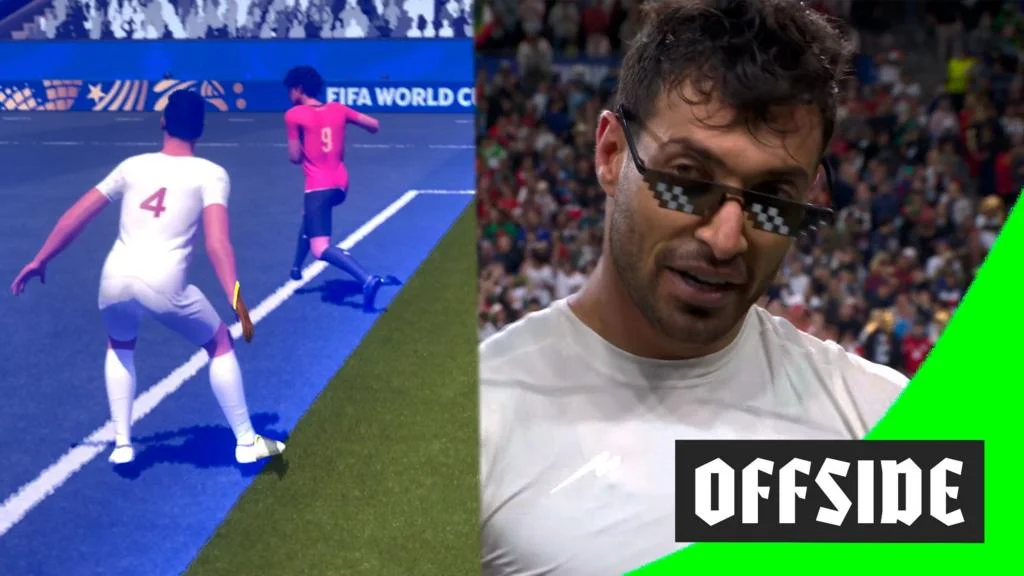
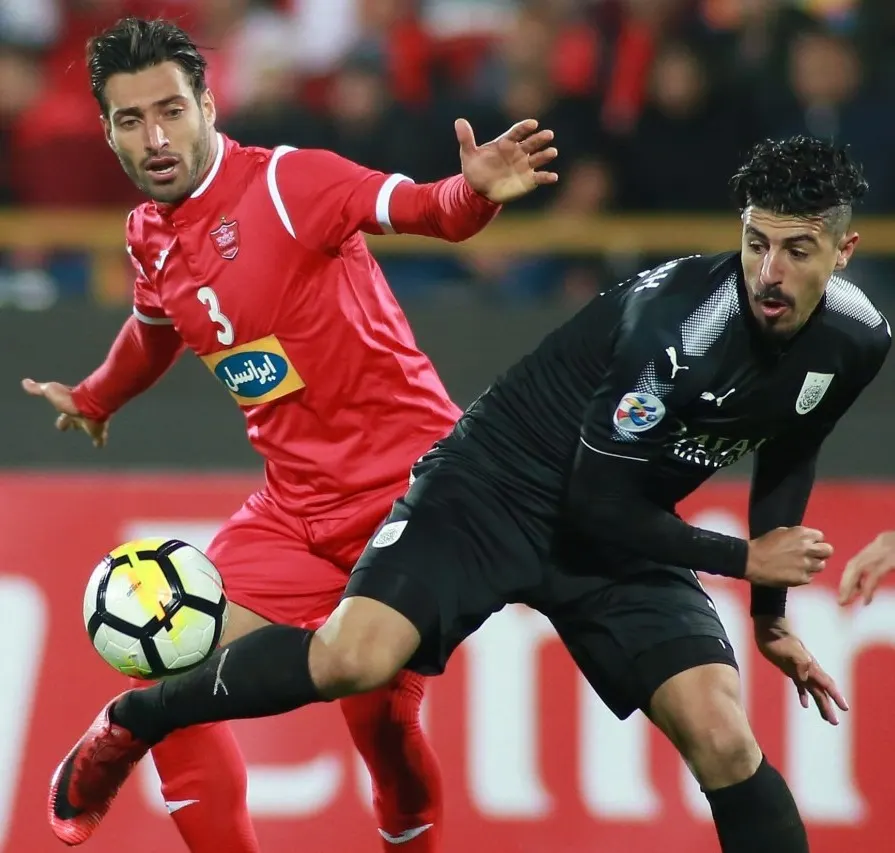
In a dramatic turn of events at the 2026 World Cup, a potential match-winning goal by Shoja Khalilzadeh was ruled out by the Video Assistant Referee (VAR) in injury time, denying the Iranian national team a guaranteed spot in the round of 32. The disallowed strike has shifted the atmosphere from celebration to anxious calculation, as Team Melli must now wait for other group results to determine if they will progress as one of the best third-placed sides. This sporting setback comes at a time when national morale is closely tied to the team's performance, often serving as a rare unifier across the country's diverse social landscape.
Beyond the pitch, the delay in qualification has immediate psychological implications for the domestic mood. Historically, Iran's success in major international tournaments provides a temporary boost to consumer sentiment and can even impact short-term retail activity. The uncertainty of the "wait-and-see" scenario for the next round creates a tense lull in what was expected to be a weekend of national festivities. Analysts note that while the sporting outcome is pending, the focus of the public remains fixed on the resilience of the squad under high-pressure officiating decisions.
Diplomatic Sprints Amid Regional Escalation
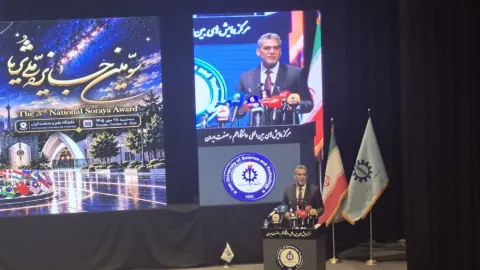
While the nation focused on football, Iranian Foreign Minister Abbas Araghchi has been engaged in a flurry of high-stakes telephone diplomacy. In separate conversations with his counterparts from the United Arab Emirates and Egypt, Araghchi discussed the rapidly evolving regional security architecture. These calls are particularly significant given the backdrop of recent military friction; reports of a U.S. retaliatory strike on Iranian-linked targets on Friday have sent ripples through the diplomatic community. The outreach to Cairo and Abu Dhabi suggests a concerted effort by Tehran to manage the fallout and prevent a broader regional conflagration.
This diplomatic maneuvering is not happening in a vacuum. The U.S. military's confirmation of retaliatory actions has already begun to impact global energy markets. Oil prices moved higher in after-hours trading as traders priced in the risk of supply disruptions in the Persian Gulf. For Iranian readers, this geopolitical friction often translates into volatility in the foreign exchange market, as the threat of increased sanctions or kinetic conflict typically drives demand for safe-haven assets like the U.S. Dollar and gold.

Market Volatility: Gold and Currency Trends
Domestic markets in Tehran are reflecting the heightened regional tension this Saturday morning. The price of the Emami coin has seen a significant surge, rising from 163,000,000 to 168,000,000 Toman, a 3.1% increase in just 24 hours. This outsized move in the coin market compared to bullion suggests a speculative rush as local investors seek to hedge against geopolitical uncertainty. Meanwhile, 18k gold rose from 16,229,281 to 16,333,164 Toman (+0.6%), tracking the global rise in gold prices which have now climbed to $4,090 per ounce.
In the currency market, the U.S. Dollar remains under pressure but relatively stable compared to the coin market, moving from 164,750 to 164,950 Toman (+0.1%). The disparity between the modest rise in USD and the sharp jump in gold coins indicates that the local market is currently more sensitive to regional security news than to broader macroeconomic shifts. As oil prices react to the U.S.-Iran friction, the central bank's ability to maintain currency stability will be tested, especially if the current diplomatic efforts fail to de-escalate the situation in the coming days.
The Global Heatwave Economy
On a global scale, climate conditions are increasingly dictating consumer behavior and economic patterns. In the United Kingdom, a severe heatwave has led to a peculiar surge in the hospitality sector; parents are reportedly booking air-conditioned hotel rooms just to keep their infants safe and cool. Data from Booking.com shows a tripling in searches for "air-conditioning" filters since early June. This trend highlights a growing "climate-driven" demand in economies that were historically not built for extreme heat, forcing a rethink of infrastructure and residential standards.
For the broader economy, these serial heatwaves are no longer just environmental concerns—they are becoming significant drivers of energy consumption and insurance costs. As northern Europe and parts of the Middle East face record-breaking temperatures, the strain on power grids and the shift in tourism towards cooler or better-equipped destinations are creating new winners and losers in the global market. This serves as a reminder that while geopolitical strikes and football scores dominate the headlines, the underlying shift in the planet's climate is quietly reshaping how people spend their money and where they choose to seek safety.
Frequently Asked Questions
Why was Shoja Khalilzadeh's goal disallowed in the World Cup?
How did the US retaliatory strike affect the Iranian market today?
What are the chances of Iran qualifying for the round of 32 now?
Why is the price of gold coins rising faster than the US Dollar in Tehran?
Understanding Video Assistant Referee (VAR) Technology in Football
Video Assistant Referee, commonly known as VAR, is a match‑officiating system that uses video replay to help on‑field referees make more accurate decisions. Introduced by FIFA in 2018, VAR operates in four key situations: goals, penalty decisions, direct red‑card incidents, and cases of mistaken identity. A team of video assistants monitors the game from a central location, reviewing footage in real time and communicating with the referee via a headset when a clear and obvious error is detected.
The VAR process follows a three‑step protocol: review, recommendation, and decision. First, the video assistant reviews the incident and determines whether an intervention is warranted. If so, the on‑field referee receives a recommendation and can either accept the advice or conduct a brief on‑field review (often called an "OVR" or "on‑field review") by watching a monitor at the side of the pitch. Finally, the referee makes the final call, which is then communicated to players and fans. This structured approach aims to preserve the flow of the game while reducing critical mistakes.
Despite its intention to improve fairness, VAR has sparked intense debate. Critics argue that it disrupts the rhythm of matches, creates confusion over inconsistent application, and undermines the human element of refereeing. Supporters, however, point to high‑profile corrections—such as disallowed goals or wrongful penalties—that have directly impacted tournament outcomes, including World Cup qualification scenarios like Iran’s recent experience.
Understanding VAR is essential for fans, analysts, and policymakers alike, as its adoption reflects a broader trend of integrating technology into sports governance. As the system evolves, ongoing discussions about transparency, standardization, and the balance between technology and tradition will shape the future of football worldwide.
Topics
Related Articles