Iran Forces Ready as US Strikes Target, Europe Swelters Amid Heatwave
آمادگی نیروهای ایران در پی حمله آمریکا؛ اروپا درگیر موج گرما
Iran's Armed Forces reaffirm readiness to bolster national security and justice, while US forces reportedly strike targets within Iran following an attack on a cargo ship. Meanwhile, Europe braces for extreme heat, with Germany recording record temperatures.
At time of publishing
USD
164,950
Toman
Gold 18K
16.33M
Toman / gram
Bitcoin
$60,362
US Dollar
Tether
167,549
Toman
Iranian Armed Forces Bolster National Security
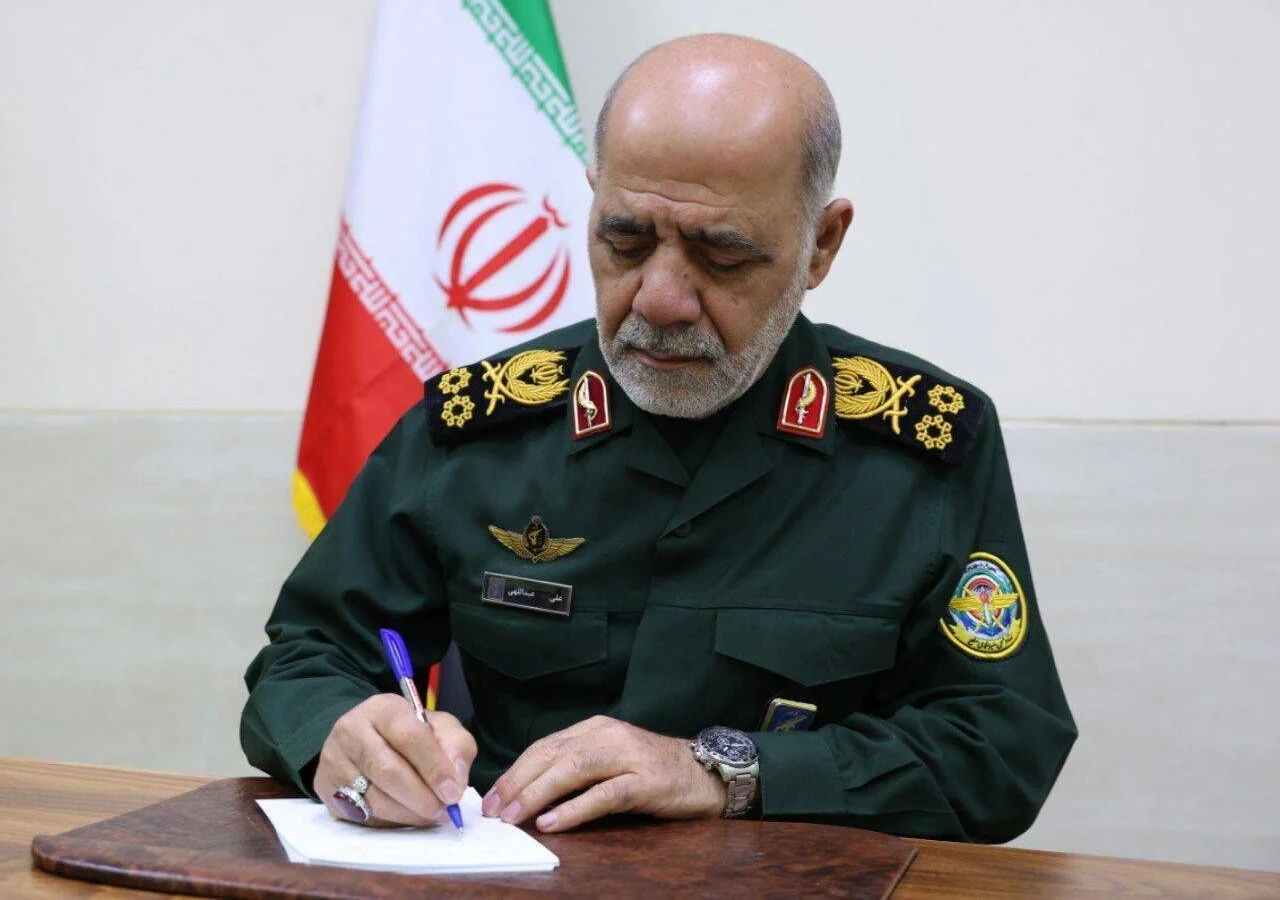
Major General Ali Abdollahi, Commander of Iran’s Khatam al-Anbiya Central Headquarters, has declared the Armed Forces' unwavering readiness to support national security and justice initiatives. This statement, issued by IRNA, underscores a commitment to reinforcing the rule of law and national stability. The timing of this declaration is significant, coming amidst heightened regional tensions and reports of US strikes on Iranian targets. The emphasis on readiness suggests a proactive stance, aiming to deter potential threats and assure domestic audiences of the military's preparedness to defend the nation's interests and sovereignty.
This assertion of strength serves a dual purpose: to project an image of robust defense capabilities to both domestic and international audiences, and to rally domestic support by highlighting the military's role in safeguarding the nation. For Iranian citizens, such pronouncements often translate into expectations regarding currency stability and economic security, as geopolitical posturing can directly influence market sentiment and investment confidence. The Khatam al-Anbiya Headquarters, a key entity in Iran's military structure, plays a crucial role in coordinating defense efforts, making its commander's statements particularly impactful in shaping perceptions of national security.
US Strikes Iran Following Cargo Ship Attack
Reports indicate that US forces have conducted strikes within Iran, an action that Iran's state media has characterized as a violation of their agreements. This development follows an earlier attack on a cargo ship, which Iran has implied was linked to American forces. The tit-for-tat exchange escalates already strained relations and introduces further uncertainty into the regional security landscape. The IRGC has warned that future responses to aggression will be "broader," signaling a potential for wider conflict if tensions continue to rise.
This exchange risks destabilizing the fragile ceasefire mentioned by Al Jazeera and could have significant implications for regional trade routes and oil markets. The direct military engagement, even if limited in scope, increases the risk appetite for investors and could lead to fluctuations in currency markets as traders price in geopolitical instability. The US's justification for the strikes, likely framed as a response to the cargo ship attack, aims to demonstrate resolve, while Iran's accusations of violation highlight the deep mistrust and adversarial nature of their relationship.
Europe Gripped by Extreme Heatwave
Germany has provisionally recorded its highest ever temperature, reaching 41.3C near the French border, as a severe heatwave continues its eastward push across Europe. Forecasters predict that the hottest conditions are now spreading into central and eastern Europe, impacting countries like Poland and the Balkans. While the UK may experience some respite over the weekend, much of the continent remains under the influence of this intense heat, with predictions of temperatures consistently well over 40C.
This extreme weather event has significant implications beyond immediate discomfort. Heatwaves can strain energy grids due to increased demand for cooling, disrupt agricultural yields, and pose serious public health risks. For economies heavily reliant on outdoor work or tourism, prolonged periods of extreme heat can lead to substantial economic losses. The spread of such events across a continent also raises broader questions about climate change adaptation and the long-term economic resilience of nations facing increasingly volatile weather patterns.
Crypto Market Sees Rotation as AI Stocks Gain Traction
The cryptocurrency market experienced losses this past week, with Dogecoin and Hyperliquid's HYPE tokens leading the downturn. This trend appears to be driven by a rotation of investor capital from cryptocurrencies towards AI-related stocks, which have seen renewed interest. Ether, a major cryptocurrency, fell 8% on the week, while meme coins experienced even steeper declines. This shift suggests that market participants are favoring the perceived stability and growth potential of established tech sectors over the more volatile digital asset space.
This movement highlights a broader market sentiment where speculative assets like cryptocurrencies are being sidelined in favor of sectors with tangible technological advancements and clearer revenue streams, such as artificial intelligence. While some crypto proponents might view this as a temporary lull, it indicates a significant reallocation of capital. For investors, it underscores the importance of diversification and understanding sector-specific trends. The strength of AI stocks, even lifting the equal-weight S&P 500 to a record, signals a robust appetite for innovation-driven growth, drawing funds away from altcoins and even major cryptocurrencies like Bitcoin and Ether.

Market Snapshot: USD Firm, Gold and Emami Coin Rise
The US Dollar against the Iranian Toman saw a slight increase, selling at 164,950 Toman and buying at 163,974 Toman, marking a 0.1% rise over the last 24 hours. Concurrently, the price of 18-carat gold per gram rose by 0.6% to 16,333,164 Toman, and the Emami coin experienced a more significant surge of 2.5%, reaching 167,000,000 Toman. The USD's modest appreciation against the Toman, coupled with the notable gains in gold and coins, suggests a complex market sentiment. Investors appear to be seeking safe-haven assets amidst regional geopolitical uncertainty, while also reacting to potential shifts in economic policy or expectations influencing the Toman's value.
The concurrent rise in gold and the Emami coin, alongside a slight uptick in the USD, indicates a diversified approach to hedging against risk. Geopolitical tensions, such as the reported US strikes in Iran and the ongoing regional instability, typically drive demand for traditional safe havens like gold. The significant jump in the Emami coin price, however, may also reflect specific domestic market dynamics or increased demand for tangible assets within Iran. These movements collectively paint a picture of cautious investment, with a notable preference for assets perceived as stable or appreciating in value during times of uncertainty.
Frequently Asked Questions
What is the current exchange rate for USD to Iranian Toman?
What caused the recent losses in the cryptocurrency market?
What is the significance of the Iranian Armed Forces' statement on national security?
How is the heatwave affecting Europe?
What is the trend for gold and Emami coins?
Geopolitical Risk and its Impact on Currency and Safe-Haven Assets
Geopolitical risk, referring to the uncertainty and instability arising from international political events, conflicts, or diplomatic tensions, is a powerful force that frequently reverberates through global financial markets. When headlines signal potential conflicts or escalating tensions, as with the "US Strikes Target" and "Iran Forces Ready," investors often react by re-evaluating their portfolios, leading to significant shifts in asset prices and market sentiment. This unpredictability creates an environment where traditional economic fundamentals can be temporarily overshadowed by fear and speculation.
One of the most immediate impacts of heightened geopolitical risk is often seen in currency exchange rates. Countries directly involved in or adjacent to conflict zones, or those facing international pressure and sanctions, typically experience depreciation in their local currencies. Investors, seeking stability, tend to move capital out of these perceived risky assets and into more stable, reserve currencies, primarily the US Dollar. This increased demand for safe-haven currencies strengthens them while simultaneously weakening the local currency, such as the Iranian Toman, making imported goods more expensive and eroding purchasing power.
Conversely, periods of geopolitical tension often boost demand for "safe-haven assets." Gold stands out as the quintessential example. Historically revered as a store of value, gold tends to hold or increase its value during times of crisis when other assets, like stocks or even some government bonds, might falter. Its appeal lies in its perceived intrinsic value, limited supply, and lack of direct correlation with the performance of specific economies or corporate earnings. Investors flock to gold as a hedge against inflation, economic uncertainty, and geopolitical turmoil, causing its price to rise significantly.
Understanding the interplay between geopolitical events and financial markets is crucial for investors and policymakers alike. While broader market trends like AI stocks or crypto might experience general volatility, the direct and predictable responses of currencies and safe-haven assets like gold offer a clear illustration of how global political dynamics translate into tangible economic consequences, influencing everything from national wealth to individual savings.
Topics
Related Articles