Iran's World Cup Dream Hangs by a Thread as Trump Threatens Tariffs and Regional Trade Strengthens
رویای جام جهانی ایران در تعلیق؛ ترامپ تعرفه تهدید میکند و تجارت منطقهای تقویت میشود
Iran's hopes for the FIFA World Cup Round of 32 hinge on other Saturday fixtures, keeping fans on edge. Simultaneously, global trade tensions surge as Donald Trump threatens a sweeping 100% tariff on European digital taxes, signaling potential economic upheaval. Domestically, Iran solidifies trade links with Pakistan and reflects on the loss of a key political figure, while local markets register modest gains.
At time of publishing
USD
167,250
Toman
Gold 18K
16.33M
Toman / gram
Bitcoin
$60,387
US Dollar
Tether
167,728
Toman
Iran's World Cup Hopes: A Waiting Game for the Round of 32
Iranian football fans are on tenterhooks today as the FIFA World Cup 2026 Round of 32 picture continues to unfold, with Iran's qualification status still uncertain. While Cape Verde has already made history by securing a knockout spot, Iran's path forward depends heavily on the outcomes of other crucial Saturday fixtures. This creates a nail-biting scenario for the national team and its supporters, who are keenly following every match result that could impact their progression into the next stage of the tournament.
The implications of this waiting game extend beyond the pitch, influencing national morale and public sentiment. A successful qualification for the Round of 32 would undoubtedly provide a significant boost, fostering a sense of unity and pride across the country. Conversely, an early exit, despite valiant efforts, could lead to widespread disappointment. For Iranian citizens, often navigating complex geopolitical and economic landscapes, the World Cup offers a powerful, unifying distraction, making the team's performance a focal point of national conversation and emotional investment.

Trump Escalates Trade War with 100% Tariff Threat on European Digital Taxes
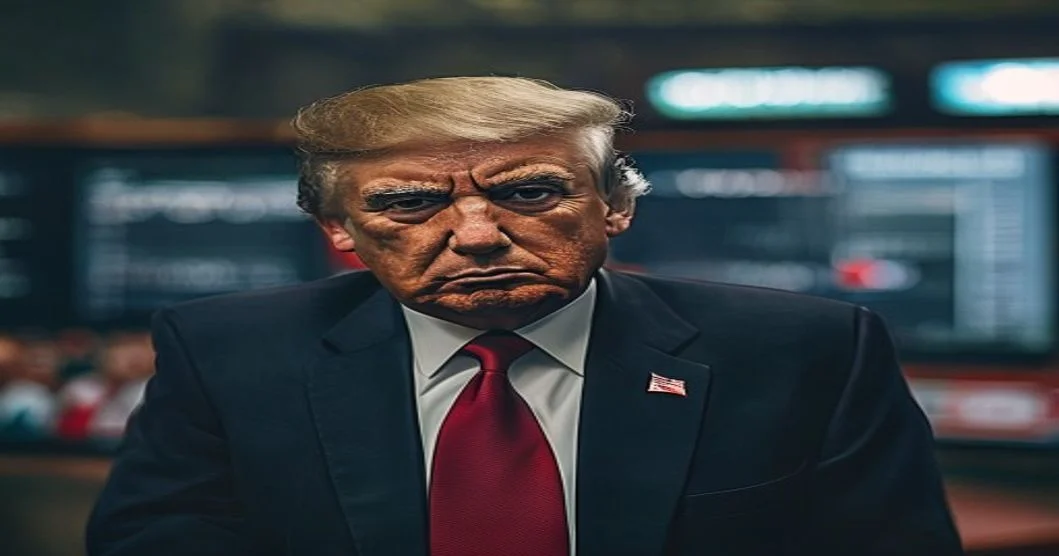
Former President Donald Trump has reignited fears of a global trade war, threatening to impose a staggering 100% import tariff on any European country that levies a digital services tax on American companies. This aggressive stance, articulated on Truth Social, targets “numerous European countries” reportedly close to enacting such taxes. Trump asserted that this tariff would be imposed immediately and would supersede any existing trade agreements, signaling a significant escalation in his protectionist trade policy if he were to return to office.
This threat carries substantial economic implications, not just for Europe but for global trade dynamics and market stability. A 100% tariff would effectively double the cost of goods for targeted European imports into the US, severely disrupting supply chains and potentially leading to retaliatory measures from European nations. For the global economy, already grappling with various uncertainties, such a move could trigger widespread economic turbulence, impacting everything from international investment flows to consumer prices and corporate profitability worldwide. Iranian markets, while primarily influenced by domestic factors, are not immune to such global shocks, as they can affect commodity prices and investor sentiment.
Iran and Pakistan Deepen Economic Ties with New Border Customs Facility
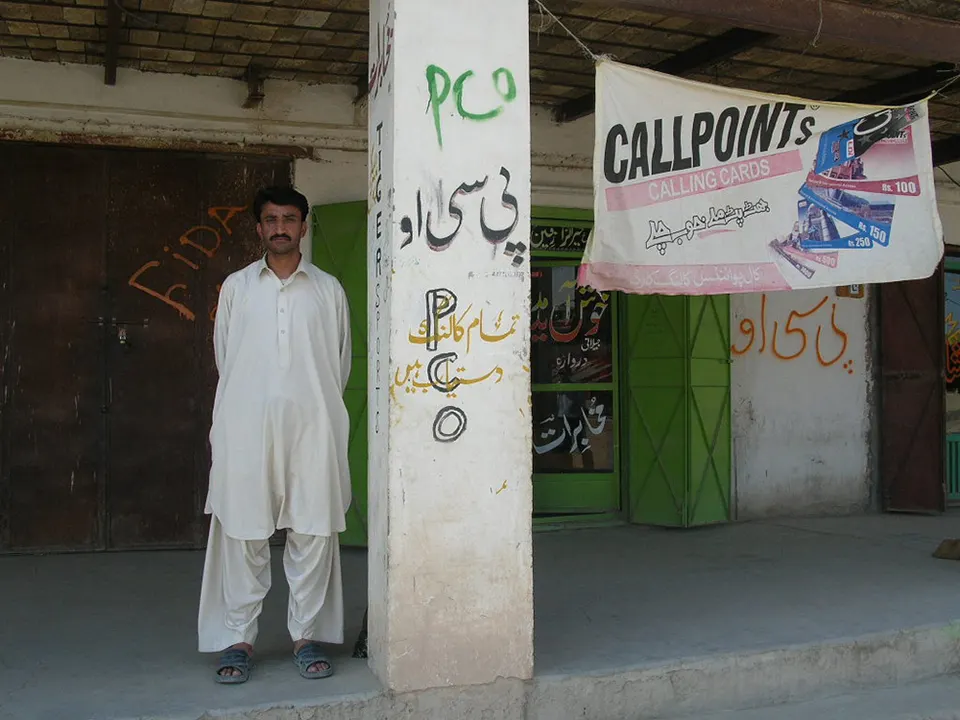
In a significant move to bolster bilateral trade, Pakistan's Federal Board of Revenue (FBR) has officially designated the Taftan border railway station as a land customs facility. This strategic decision is expected to streamline import and export procedures between Iran and Pakistan, marking a pivotal step towards enhancing economic cooperation. The new customs station will facilitate rail freight, reduce transportation costs, and is projected to significantly boost formal trade volumes between the two neighboring countries.
This development holds considerable promise for both Iranian and Pakistani businesses seeking to expand their market reach and reduce logistical hurdles. By making rail transport more efficient and cost-effective, the Taftan facility can unlock new opportunities for cross-border commerce, particularly for goods that benefit from bulk transport. For the Iranian economy, facing various external pressures, strengthening trade ties with regional partners like Pakistan is crucial for economic diversification and resilience, potentially leading to increased revenues and improved regional connectivity.
Iran's Diplomatic Engagements and Political Tributes Mark a Busy Hour
The Iranian political landscape has been marked by both diplomatic strides and solemn tributes in the past hour. Judiciary Chief Gholam-Hossein Mohseni Eje’i paid tribute to Ali Larijani, describing his martyrdom as a significant loss for the Islamic Republic. Larijani, a prominent figure, was praised for his extensive contributions to national security and public service, underscoring the deep impact of his passing on Iran's political establishment and its ongoing governance.
Concurrently, Iranian President Masoud Pezeshkian's recent visit to Pakistan continues to yield positive diplomatic feedback. Pakistani Prime Minister Shehbaz Sharif expressed strong satisfaction with the outcomes of the trip, emphasizing that the achievements will undoubtedly strengthen bilateral relations between the two nations. This diplomatic engagement highlights Iran’s continued efforts to foster robust regional partnerships, which are vital for enhancing economic cooperation, ensuring regional stability, and navigating complex international relations. These exchanges contribute to a perception of regional solidarity that can indirectly influence investor confidence and economic outlook within Iran.
Local Markets Show Resilience Amid Regional Developments
Amidst these regional and global developments, Iranian local markets have shown a degree of resilience in the past 24 hours. The USD/IRR exchange rate saw a notable increase, moving from 164,750 to 167,250 Toman, marking a +1.5% change. This upward movement in the dollar's value against the Toman reflects ongoing market dynamics and possibly a reaction to broader economic sentiments, both domestic and international.
Meanwhile, the gold market also experienced modest gains, with Gold 18k/gram rising from 16,229,281 to 16,333,164 Toman, a +0.6% increase. The Emami coin, often seen as a key indicator for local investors, saw a more substantial surge, climbing from 163,000,000 to 167,000,000 Toman, representing a +2.5% jump. These movements suggest a continued preference for tangible assets amidst economic uncertainties, with gold and coins acting as traditional hedges for Iranian investors. The cryptocurrency market saw Bitcoin hovering around $60,387 USD, reflecting global trends.
Watch
Cape Verde fans celebrate after making the World Cup knockout round
Associated Press
Frequently Asked Questions
What is the current status of Iran's qualification for the FIFA World Cup Round of 32?
What are the implications of Donald Trump's threatened 100% tariff on European digital taxes?
How will the designation of Taftan railway as a customs station impact Iran-Pakistan trade?
What were the key market movements in Iran during the last 24 hours?
What is the significance of Pakistani PM Shehbaz Sharif's comments on President Pezeshkian's visit?
Understanding Tariffs: Tools of Trade Policy
Tariffs are taxes imposed by a government on imported goods or services. They are a fundamental tool in international trade policy, serving various purposes for the imposing nation. Historically, tariffs were a significant source of government revenue, but in modern economies, their primary role often shifts towards influencing trade flows and protecting domestic industries from foreign competition. By making imported goods more expensive, tariffs aim to give locally produced alternatives a price advantage, theoretically safeguarding jobs and fostering domestic production in strategic sectors.
However, the implementation of tariffs comes with a complex set of economic consequences. For consumers, tariffs typically lead to higher prices for imported goods and potentially for domestic goods if local producers face less competition. This can reduce purchasing power and overall consumer welfare. For businesses, tariffs can increase the cost of imported raw materials or components, making their final products more expensive and less competitive in global markets. Furthermore, tariffs often invite retaliatory measures from affected countries, leading to trade wars where multiple nations impose tariffs on each other's goods, shrinking overall global trade and potentially harming economic growth worldwide.
The headline's mention of "Trump Tariffs" in the context of Iran highlights their use as a geopolitical tool. Such tariffs are often deployed to exert economic pressure, compel policy changes, or signal displeasure with a country's actions. While intended to isolate or weaken the targeted economy, they can also inadvertently push the targeted nation to seek alternative trade partners and strengthen regional economic ties, as suggested by "Iran Pakistan Trade" and "Taftan Railway" in the keywords. This shift can lead to the formation of new trade blocs or routes, altering established global supply chains and potentially affecting currency exchange rates, like the USD/IRR, as trade patterns adjust.