U.S.-Iran Deal's Vague Language Fuels Mideast Flare-up as Gaza Death Toll Climbs and S&P 500 Shifts
ابهام در توافق آمریکا و ایران، تنشها در خاورمیانه را تشدید میکند؛ افزایش تلفات غزه و چرخش بازار سهام آمریکا
Ambiguous terms in the U.S.-Iran deal are igniting fresh hostilities in the Strait of Hormuz, while the Gaza death toll tragically surpasses 73,000. Meanwhile, global markets see a major rotation out of tech stocks, and Europe braces for extreme heat.
At time of publishing
USD
166,650
Toman
Gold 18K
16.48M
Toman / gram
Bitcoin
$60,181
US Dollar
Tether
167,494
Toman
U.S.-Iran Deal's Vague Language Haunts Peace Efforts Amid Mideast Flare-up
Peace efforts between the United States and Iran are facing significant headwinds, as ambiguous language within their recent agreement is now creating practical enforcement challenges, particularly concerning the critical Strait of Hormuz. The deal stipulated that Iran should “make arrangements” for the passage of ships, a clause that Tehran has interpreted as its prerogative to designate specific routes for vessels. This interpretation diverges sharply from the U.S. expectation of unhindered international passage through the vital waterway, fueling renewed tensions over maritime navigation and sovereignty in a region already prone to volatility. The lack of precise definitions in such a sensitive area, while perhaps a necessary compromise to secure the initial agreement, is now proving to be a major obstacle to maintaining stability.
Simultaneously, hostilities have flared across the Mideast, directly testing the fragile U.S.-Iran truce that was established following earlier U.S. strikes on Iranian military sites. Bahrain reported being targeted by Iranian drones, an act widely seen as retaliation for those previous American actions. Compounding these developments, a ship in the Strait of Hormuz came under attack for the second time in recent days, underscoring the escalating risks in the strategic waterway. These incidents suggest a dangerous tit-for-tat dynamic is re-emerging, pushing the tenuous truce to its breaking point and signaling a deeper, underlying distrust that continues to plague U.S.-Iran relations.
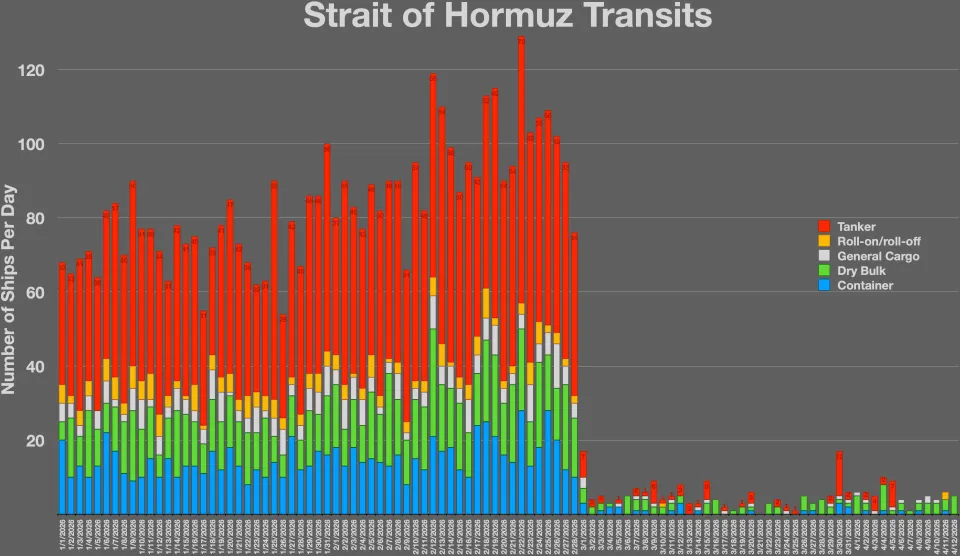
For the region and global trade, these developments translate into heightened instability and increased security risks in the Strait of Hormuz, a choke point through which a significant portion of the world's oil supply passes. The renewed hostilities, despite previous diplomatic efforts to de-escalate, indicate that any lasting peace remains elusive and the path forward for regional stability is fraught with peril. Iranian citizens may face continued economic uncertainty due to the potential for further sanctions or disruptions to trade, which can directly influence currency markets and overall investor confidence. Indeed, the Iranian Toman has seen a depreciation against the U.S. Dollar, with the USD/IRR rising from 164,750 to 166,650 (+1.2%) in the last 24 hours, reflecting this underlying geopolitical unease and the market's sensitivity to regional tensions.
Gaza Death Toll Rises Amid Continued Israeli Aggression
The tragic humanitarian situation in the Gaza Strip continues to worsen, with reports confirming that eight more Palestinians have been killed, pushing the total death toll since the start of the Israeli regime’s aggression to an alarming 73,051. This grim update underscores the relentless nature of the conflict, which shows no signs of abatement despite widespread international calls for a ceasefire, increased humanitarian aid, and a peaceful resolution. The scale of human suffering and loss in the besieged enclave remains an urgent global concern, with civilian infrastructure decimated and essential services severely disrupted.
The persistent and escalating violence by the Israeli regime, ongoing for months, is rooted in decades of complex geopolitical tensions, territorial disputes, and deep-seated grievances. Despite numerous diplomatic initiatives and global condemnation, the international community has largely been unable to broker a lasting peace or enforce a comprehensive ceasefire, thereby allowing the tragic death toll to climb unabated. The inability of major global powers to effectively intervene highlights the immense challenges in resolving one of the world's most intractable conflicts, perpetuating a cycle of violence and despair for the civilian population.
The devastating impact of the conflict in Gaza extends far beyond its immediate borders, contributing significantly to regional instability and fueling anti-Western sentiment across the Middle East. For Iranian readers, the profound humanitarian crisis resonates deeply, often shaping public discourse and influencing perceptions of regional power dynamics and alliances. Furthermore, the conflict adds another critical layer of geopolitical risk that can indirectly affect economic stability, investment sentiment, and the flow of goods and capital in the broader region, making any long-term economic planning more precarious.
S&P 500 Sees Significant Rotation Out of Top Tech Stocks
A notable shift is actively underway in the U.S. stock market, as evidenced by the equal-weighted version of the S&P 500 outperforming its traditional capitalization-weighted counterpart this week by the widest margin in six years. This significant divergence points to a broad rotation of capital, suggesting that investors are moving away from the handful of dominant technology mega-cap stocks that have largely propelled market gains for the past several years, and instead are reallocating funds into a wider array of companies across various other sectors of the economy. This marks a potential turning point in market dynamics, moving away from concentrated growth.
For an extended period, a select group of tech giants like Apple, Microsoft, and Nvidia disproportionately drove the S&P 500's overall performance, creating a market where headline index gains often masked underlying weakness or stagnation in other sectors. This current rotation suggests that investors are increasingly broadening their portfolios, perhaps in search of more diversified value opportunities in less-inflated sectors, or anticipating a more evenly distributed economic recovery. It could also signal growing concerns among institutional investors about the sustainability of tech's previously exponential growth trajectory, potential regulatory scrutiny, or a re-evaluation of long-term earnings potential.
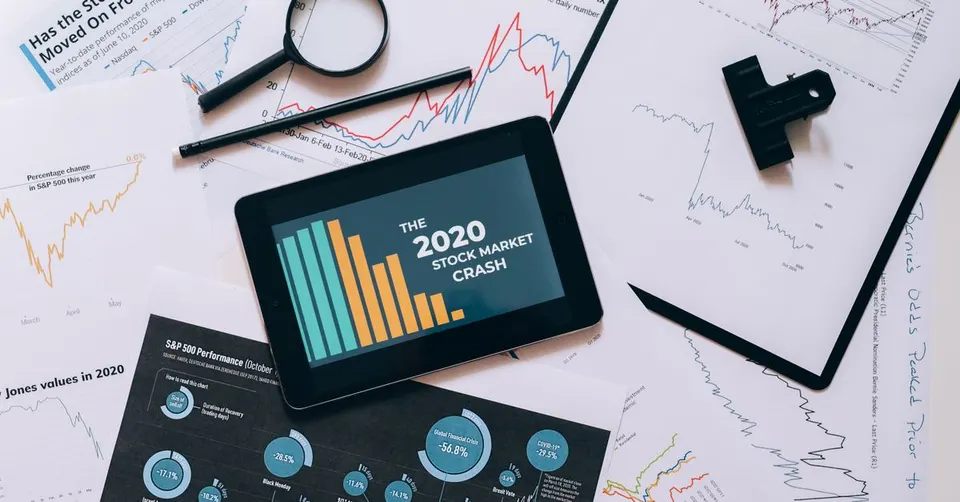
This "tale of two S&P 500s" signifies a potential rebalancing of market leadership, moving towards a broader market participation. For global investors, including those with indirect exposure to international markets or who closely monitor global economic health indicators, it suggests a more normalized and potentially healthier market environment where performance is spread across a larger number of companies rather than being concentrated in a few. While not directly impacting Iranian domestic markets, shifts in major global indices can influence overall risk appetite and commodity prices, which in turn can subtly affect the Iranian economy through trade and investment channels. The movement out of tech could also be a leading indicator for a broader economic re-evaluation.
Europe Braces for Record-Breaking Heatwave Conditions
Europe is once again grappling with an extreme and potentially record-breaking heatwave, with Germany specifically bracing for temperatures "well over 40C" and England having already issued severe heat warnings across multiple regions. Forecasters predict that these intensely hot conditions are set to spread further across central and eastern Europe in the coming days, threatening widespread disruption and significant health risks. This recurring pattern of severe heat is becoming a defining characteristic of European summers, demanding urgent attention to climate adaptation.
This increasingly frequent occurrence of extreme heatwaves is a stark and undeniable manifestation of climate change, driven by rising global temperatures that make such events both more common and more intense. The existing infrastructure in many European countries, particularly older urban and transport systems, is simply not designed to withstand such prolonged and extreme heat. This vulnerability leads to cascading failures in essential public services, including widespread transport delays, power outages due to strained grids, and critical IT system stalls in hospitals as cooling units break down, ultimately throwing public life into chaos.

Beyond the immediate health risks to vulnerable populations and the widespread disruption to daily life, these intensifying heatwaves carry significant economic consequences. Productivity invariably drops in many sectors, energy demand spikes to unprecedented levels, and key industries such as agriculture and tourism suffer substantial losses. For the global economy, including indirectly for nations like Iran, this means escalating climate-related risks that can impact international supply chains, food security through crop failures, and overall international trade stability. It also underscores the growing financial costs of climate inaction and the urgent necessity for robust adaptation strategies, which can divert significant national resources away from other crucial development priorities.
Watch
Iran & US trade strikes, officials fear deal collapse: Sources
CNN
Frequently Asked Questions
How does the "vague language" in the U.S.-Iran deal specifically impact the Strait of Hormuz?
What does the outperformance of the equal-weighted S&P 500 signify for investors?
How do the renewed hostilities in the Mideast, particularly the drone attacks and ship incidents, affect the U.S.-Iran truce?
What are the economic implications of the escalating heatwaves in Europe for the global economy?
How might the rising USD/IRR exchange rate be connected to the current geopolitical tensions?
Understanding Geopolitical Risk and its Impact on Financial Markets
Geopolitical risk refers to the potential for political instability, conflicts, or international tensions to disrupt the global economy and financial markets. These events, ranging from regional skirmishes to major international crises, introduce uncertainty that can significantly influence investor sentiment, commodity prices, and broader market indices like the S&P 500. The headline's mention of a "U.S.-Iran Deal's Vague Language" and "Mideast Flare-up" directly illustrates how diplomatic ambiguities and regional hostilities can heighten such risks.
One of the most immediate impacts of escalating geopolitical tensions, especially in regions like the Middle East, is on commodity markets. The Strait of Hormuz, for instance, is a critical chokepoint for global oil shipments. Any threat to its stability or the free flow of oil through it can cause crude oil prices to spike. Higher energy costs then ripple through the global economy, increasing production costs for businesses, potentially fueling inflation, and reducing consumer purchasing power. This economic pressure can dampen corporate earnings and investor confidence, leading to a "flight to safety" where investors pull money from riskier assets like stocks and move it into perceived safer havens such as gold or government bonds.
The S&P 500's "shifts" or "rotation" mentioned in the headline are a direct consequence of this market re-evaluation. When geopolitical risks rise, certain sectors might become more attractive while others falter. For example, defense stocks might see gains due to increased military spending expectations, while sectors heavily reliant on stable supply chains or consumer spending (like technology or retail) might face headwinds. The overall uncertainty encourages investors to reallocate their portfolios, seeking to mitigate potential losses or capitalize on perceived opportunities arising from the new risk landscape.
Ultimately, understanding geopolitical risk is crucial for investors and policymakers alike. It highlights how seemingly distant political events can have profound and immediate effects on our daily economic lives, from the price of gas at the pump to the performance of our retirement portfolios. The vagueness of international agreements only exacerbates this, as it leaves more room for misinterpretation and escalation, thus amplifying market volatility.