Budapest Marks New Era with First Post-Orbán Pride as Regional Strikes Strain US-Iran Ceasefire
اولین رژه دگرباشان در بوداپست پس از سقوط اوربان؛ تنشهای نظامی آتشبس ایران و آمریکا را تهدید میکند
Budapest celebrates its first Pride march since the ousting of Viktor Orbán, signaling a major geopolitical shift in Eastern Europe. Meanwhile, renewed military strikes in Lebanon and southern defense facilities have put the fragile US-Iran ceasefire under immense pressure, driving the USD/IRR exchange rate up by 1.2%.
At time of publishing
USD
166,650
Toman
Gold 18K
16.49M
Toman / gram
Bitcoin
$60,697
US Dollar
Tether
167,025
Toman
A New Chapter in Budapest: Pride After Orbán
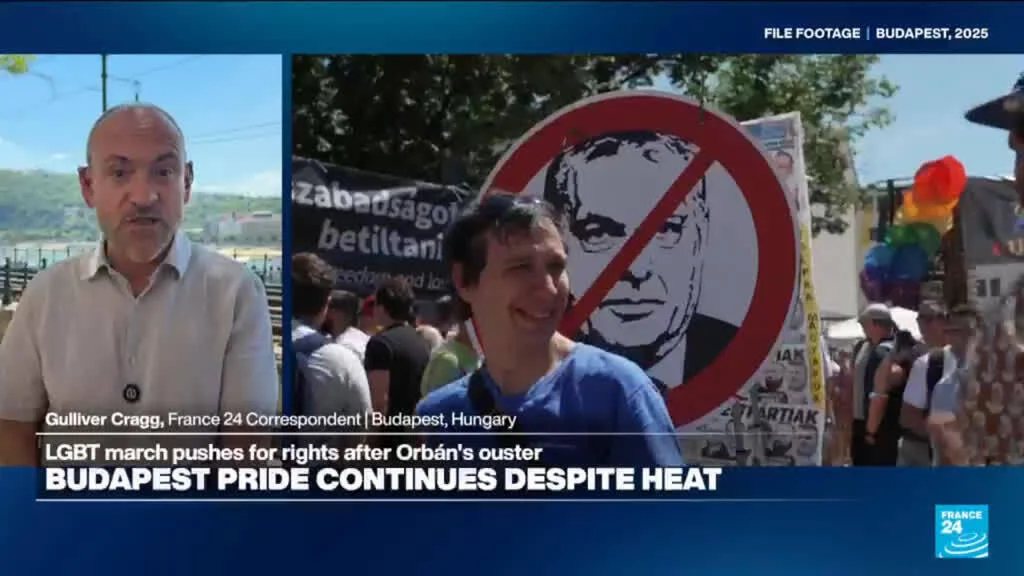
For the first time in over sixteen years, the streets of Budapest are witnessing a Pride march without the looming shadow of Viktor Orbán’s restrictive administration. The event, which has historically been met with heavy government pushback and legislative hurdles, is being hailed by participants as the dawn of a "new era" for Hungary. Despite the scorching heatwave currently gripping Central Europe, thousands have gathered to march across the Elisabeth Bridge, asserting their visibility in a country that has long been a focal point for the clash between traditionalist and progressive European values. This shift follows the recent ousting of Orbán, a move that has sent ripples through the European Union's geopolitical landscape and signaled a potential softening of Hungary's hardline stance on social issues.
However, the transition is far from seamless. While the march was fully authorized, the political atmosphere remains charged with ambiguity. The newly elected Prime Minister, Péter Magyar, has maintained a careful distance from the event, avoiding the march himself while issuing statements that "nobody should be stigmatized because of the way they love." This cautious balancing act reflects the deep divisions that still exist within Hungarian society. Even as the parade progressed, far-right activists were reported to have removed rainbow flags from public landmarks, replacing them with nationalistic symbols. For the international community, this moment serves as a litmus test for Hungary’s democratic recovery and its future alignment with broader EU human rights standards.

---
Regional Volatility: Ceasefire Under Fire
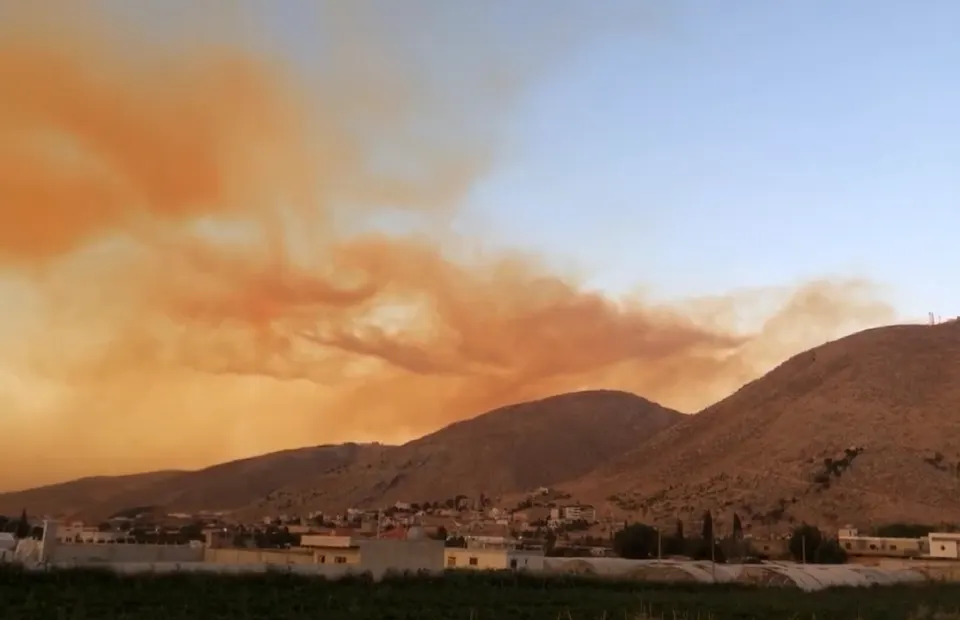
The fragile peace between the United States and Iran is facing its most significant challenge yet as renewed military activity threatens to collapse the recently announced framework agreement. On Saturday, the Israeli military conducted air strikes in the Nabatiyeh area of southern Lebanon, just twenty-four hours after Washington had signaled progress on a diplomatic solution. Tehran has reacted with sharp condemnation, accusing the United States of a "blatant violation" of the peace deal following separate American strikes on southern defense facilities. This escalation highlights the precarious nature of regional diplomacy, where actions by proxy forces and allied militaries often outpace the slow progress of high-level negotiations.
Adding to the complexity, Hezbollah Secretary-General Sheikh Naim Qassem has publicly rejected the US-brokered framework, labeling it a "surrender of Lebanese sovereignty." By linking Israeli military withdrawal to the disarmament of the resistance, the agreement has hit a wall of ideological opposition that complicates any path toward long-term stability. This regional friction is having an immediate impact on the Iranian economy. The USD/IRR exchange rate, a primary barometer of public confidence, rose from 164,750 to 166,650 (+1.2%) in the last 24 hours. Investors are increasingly seeking safety in hard assets, pushing the price of Emami coins up by 1.8% to 166,000,000 Toman, as the specter of renewed conflict outweighs the hope for sanctions relief.
---
Europe’s Record Heatwave and the Economic Toll
While political tensions simmer, a literal heatwave is breaking records across the European continent, from the shores of Denmark to the river valleys of Italy. Denmark registered its highest temperature on record this Saturday, reaching 36.6°C, a staggering figure for a nation typically known for its temperate climate. In Italy, the situation is becoming increasingly dire as the Po River, the country’s longest waterway, has fallen to levels never before seen this early in the summer season. The encroachment of seawater into the river delta is threatening the agricultural heartland of northern Italy, specifically the dairy farms responsible for the world’s supply of Parmesan cheese. This environmental crisis is no longer a distant warning; it is an immediate threat to food security and regional economic output.
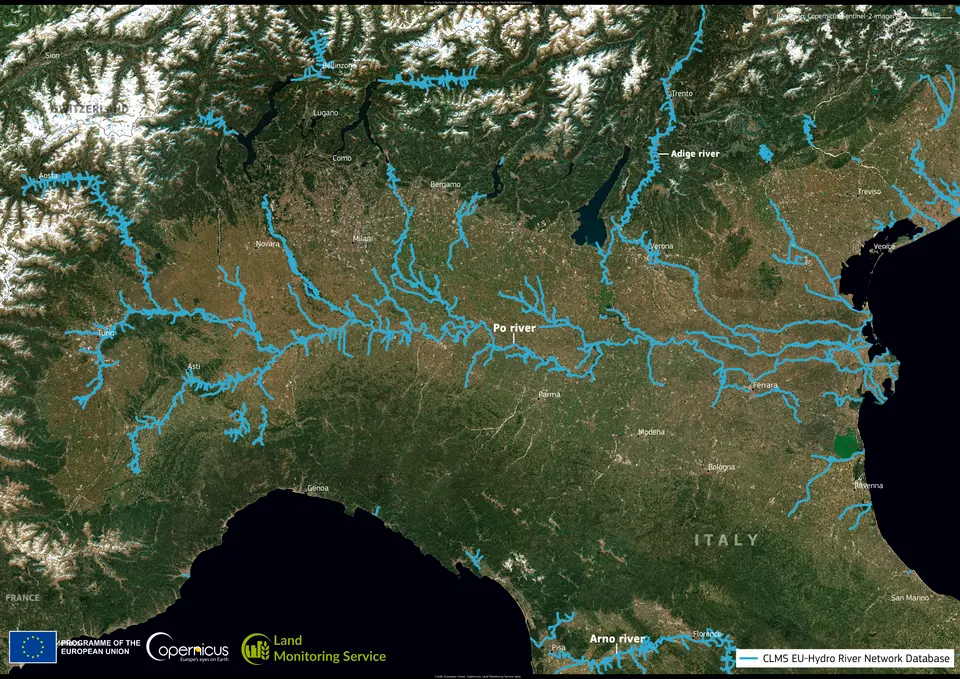
As temperatures exceed 40°C in parts of Germany and Italy, the energy grid is coming under unprecedented strain. The heatwave is exposing the lack of preparedness across European infrastructure, where cooling systems and water management protocols are failing to keep pace with the accelerating climate shift. For global markets, this means higher energy costs and potential disruptions in the supply of high-value agricultural exports. In Tehran, the global rise in gold prices—reaching $4,090.60 per ounce—combined with local currency devaluation has seen Gold 18k per gram rise by 1.6% to 16,490,835 Toman. The intersection of environmental instability in Europe and geopolitical risk in the Middle East is creating a perfect storm for inflationary pressure, leaving consumers and traders alike navigating a highly unpredictable summer.
Watch
First Budapest Pride since Orbán ousted from office • FRANCE 24 English
FRANCE 24 English
Frequently Asked Questions
Why is the Budapest Pride march significant this year?
How are the strikes in Lebanon affecting the Iranian market?
What are the economic consequences of the European heatwave?
Understanding Geopolitical Risk in a Volatile World
Geopolitical risk refers to the potential for political events and international relations to create uncertainty and disrupt markets, economies, and societies worldwide. It encompasses conflicts, political instability, terrorism, trade wars, and diplomatic tensions that can significantly influence investment decisions, commodity prices, and currency valuations. Unlike traditional market risks, geopolitical risks are often unpredictable and can have far-reaching, systemic consequences, making them a critical factor for policymakers and investors alike.
The recent strain on the US-Iran ceasefire, coupled with escalating strikes in Lebanon and the rejection of agreements by groups like Hezbollah, serves as a potent example of active geopolitical risk. Such developments signal heightened tensions in a critical region, raising concerns about potential escalation, disruption of essential global supplies, and broader regional destabilization. These events directly affect the confidence of international investors and the operational stability of businesses with interests in the Middle East.
Economically, the immediate impact of such geopolitical volatility is often seen in financial markets. For instance, the USD/IRR exchange rate would likely experience significant fluctuations, reflecting increased uncertainty and potential capital flight as investors seek safer assets. Similarly, the price of local assets like the Emami coin, often seen as a store of value in times of domestic economic instability, could react sharply to both regional tensions and the resulting shifts in the national currency's value and inflation expectations.
Beyond direct financial impacts, geopolitical risks can disrupt global supply chains, influence international trade policies, and even divert national resources towards security concerns rather than economic development. Understanding this intricate interplay between politics, security, and economics is crucial for navigating an increasingly interconnected and volatile global landscape, enabling better preparedness for potential shocks.