Lebanese Sedition Warning Rocks Region as Iran's World Cup Hopes Hang Amid US Accusations & Apple Hikes Prices
هشدار بری درباره «فتنه» در لبنان، تعلیق سرنوشت ایران در جام جهانی با اتهامات علیه آمریکا و افزایش قیمت محصولات اپل
Lebanon faces political turmoil after a US-mediated deal with Israel, sparking warnings of internal strife. Meanwhile, Iran's World Cup coach accuses the US of unfair treatment as the team's knockout stage fate remains uncertain. Tech consumers brace for higher prices as Apple links product hikes to its AI investment, while local markets see currency and gold values rise.
At time of publishing
USD
166,350
Toman
Gold 18K
16.43M
Toman / gram
Bitcoin
$60,373
US Dollar
Tether
167,012
Toman
Lebanese Speaker Warns of 'Sedition' After Israel Agreement
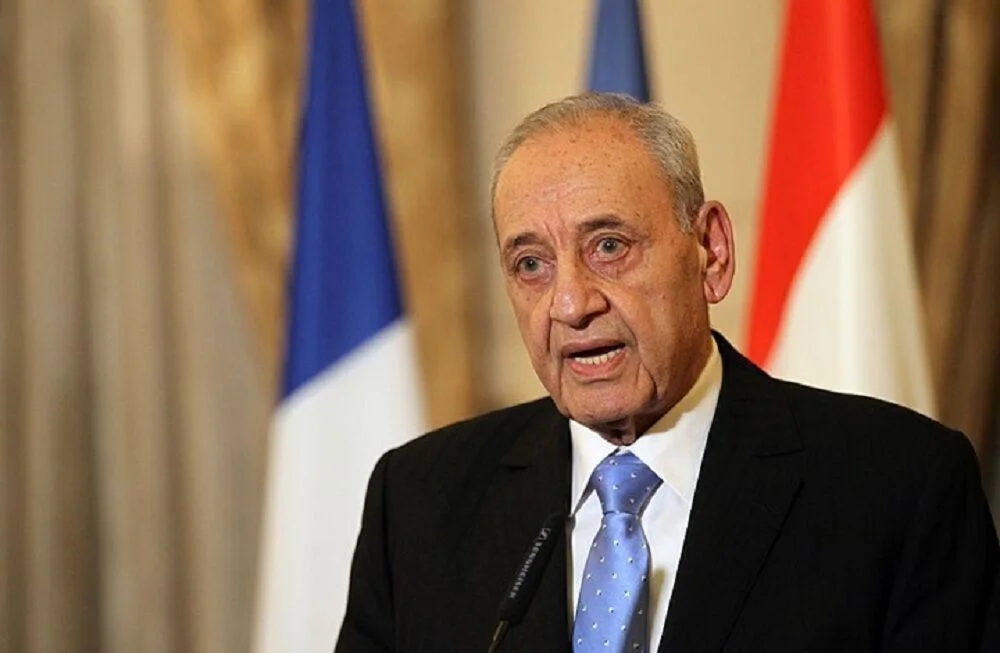
Lebanese Parliament Speaker Nabih Berri has issued a stern warning against the nation falling into "Fitna," or sedition, following a recently signed framework agreement with the Israeli regime, mediated by the United States. This significant statement on Saturday highlights the deep internal divisions and potential for instability within Lebanon that such an agreement, even if framed as a step towards de-escalation or border demarcation, can provoke. The involvement of the US as a mediator underscores the regional and international stakes of any deal between these historically adversarial entities.
Berri's caution is particularly resonant given Lebanon's complex political landscape, where various factions, including powerful non-state actors like Hezbollah, hold significant sway. Any agreement perceived as compromising national sovereignty or failing to address core grievances could easily ignite widespread dissent and conflict. For Iranian readers, this development signifies continued volatility in a key regional arena where Iran exerts considerable influence. Such internal strife or external agreements challenging the established order could have ripple effects across the Middle East, potentially impacting geopolitical risk perceptions and regional trade stability, which often translates to market uncertainty.
Iran's World Cup Coach Slams US for 'Unfair Treatment'
Iran's national football coach, Amir Ghalenoei, has publicly accused the United States of providing "unfair treatment" to his team during the ongoing World Cup. These strong remarks, reported by the BBC, inject a significant geopolitical dimension into the global sporting event, coming at a critical juncture as Iran awaits its fate for qualification into the knockout stages. The specific nature of the alleged unfair treatment remains somewhat ambiguous, but such accusations often stem from perceived biases in various aspects of the tournament, from refereeing decisions to logistical arrangements, against a backdrop of long-standing strained political relations between the two countries.
This controversy unfolds as other teams secure their positions, with Senegal notably achieving a decisive 5-0 victory over Iraq to advance, and France topping its group thanks to a hat-trick by Ousmane Dembélé. For Iranian audiences, Ghalenoei's narrative of unfairness can deeply resonate, potentially reinforcing existing sentiments about international relations and perceived injustices. Beyond the pitch, the team's performance and the context of its treatment can influence national morale and public discourse around foreign policy, even if the direct economic impact is minimal. The suspense surrounding Iran's qualification status adds to the emotional weight of these accusations for millions of fans across the nation.

Europe Scorches Under Record Heatwave, Drought Fears Mount
Europe is currently grappling with a severe and widespread heatwave, leading to significant environmental and economic disruptions across the continent. Drought fears are intensifying in Italy, where the Po River has fallen to historically low levels, threatening agricultural heartlands responsible for products like Parmesan cheese. Concurrently, Slovakia and Denmark have reported broken temperature records, and England has experienced over 700 flight delays, highlighting the strain on infrastructure. Forecasters indicate that these extreme conditions are now spreading further into central and eastern Europe, with Germany and Poland also issuing extreme heat warnings, signifying a continent-wide crisis.
This escalating situation is a stark manifestation of long-term climate change trends, exacerbated by specific atmospheric phenomena pushing heat across the continent. Despite decades of scientific warnings, many European nations appear inadequately prepared for the increasing frequency and intensity of these recurring heatwaves, resulting in significant disruption to daily life and critical sectors. The agricultural sector is particularly vulnerable, with reduced yields and potential food price increases expected across the region.
The economic ramifications are substantial, impacting not only food security but also energy consumption as demand for cooling skyrockets, and transportation networks face operational challenges. For global markets, this contributes to supply chain instability and inflationary pressures, indirectly affecting trade partners, including Iran, through shifts in commodity prices and overall economic sentiment. It serves as a potent reminder of the growing global economic burden imposed by climate change and the urgent need for robust adaptation strategies.
Apple Links AI Obsession to Product Price Hikes
Apple has implemented significant price increases across several of its flagship products, including a $300 hike for the 16-inch MacBook Pro, a jump from $599 to $749 for the 11-inch iPad Air, and a $30 bump for the HomePod Mini, now priced at $129. CEO Tim Cook explicitly stated that these price adjustments were "unavoidable" and described the company's previous pricing as "unsustainable." Cook squarely placed the blame for these increased costs at the feet of the broader tech industry's "AI obsession," indicating the immense investment required for integrating advanced artificial intelligence capabilities.
This move reflects the intense competitive landscape within the tech sector, where companies are pouring billions into research and development, specialized AI chips, and talent acquisition to stay at the forefront of the AI revolution. Apple, as a major player, is clearly opting to pass a portion of these escalating costs directly onto its consumers, signaling that the pursuit of AI dominance comes with a tangible financial burden that will reshape product pricing across the industry. The company's strategy suggests a belief that consumers are willing to pay a premium for cutting-edge AI features and performance.

For consumers globally, including those in Iran who access international markets, these price increases mean that acquiring premium technology will become even more expensive. It underscores a broader trend: while AI promises transformative innovations, its development and integration are not cheap, and these costs are increasingly being reflected in the final prices of consumer electronics. This could influence purchasing decisions and market dynamics, potentially leading to a re-evaluation of what constitutes value in an AI-enhanced device, and setting a precedent for other tech giants contemplating similar pricing strategies.
Local Markets See Gains Amid Global Currents
The Iranian currency market has shown upward movement, with the US Dollar increasing from 164,750 to 166,350 Toman, marking a +1.0% rise over the last 24 hours. This appreciation of the greenback reflects ongoing demand, often influenced by domestic economic conditions and regional geopolitical sentiment. Concurrently, the local gold market also saw significant gains; the price of Gold 18k per gram increased by +1.2%, moving from 16,229,281 to 16,431,737 Toman, while the Emami coin surged by an even more robust +1.8%, reaching 166,000,000 Toman from 163,000,000.
These movements in the local currency and gold markets suggest a continued trend of investors seeking safe-haven assets or hedging against inflationary pressures. The particularly strong surge in the Emami coin indicates robust local demand for physical gold coins, often seen as a reliable store of value in times of economic uncertainty. Meanwhile, in the global cryptocurrency sphere, Bitcoin is currently trading around $60,373, maintaining its position above the critical $60,000 mark despite broader market scrutiny.
The stability of Bitcoin above this psychological threshold might offer a degree of confidence to crypto holders, although the wider cryptocurrency market continues to navigate challenges, with industry leaders like Binance founder CZ attributing recent declines to a mix of AI developments and global tensions. For Iranian investors and consumers, these daily shifts in currency and precious metal values underscore the importance of closely monitoring both internal economic indicators and the ripple effects of international events on their financial portfolios, as these assets remain key gauges of economic sentiment and purchasing power.
Frequently Asked Questions
What is 'Fitna' and why is it a significant warning in Lebanon?
How might the framework agreement between Lebanon and the Israeli regime impact regional stability, particularly for Iran?
What specific 'unfair treatment' is Iran's World Cup coach referring to, and how does it relate to broader US-Iran relations?
How are Europe's current heatwaves connected to long-term climate change, and what are the economic consequences?
Why is Apple increasing product prices, and how does the 'AI obsession' contribute to these costs?
Understanding Geopolitical Risk: How Regional Tensions Shape Global Events
Geopolitical risk refers to the potential for political instability, international tensions, conflicts, or shifts in power dynamics within a region to have significant and often unpredictable impacts on global affairs. These risks extend beyond national borders, influencing everything from economic markets and trade routes to energy prices, international relations, and even cultural exchanges. Unlike purely economic or social risks, geopolitical risks are inherently complex, stemming from a confluence of historical grievances, ideological differences, resource competition, and the actions of state and non-state actors.
The Middle East, a region frequently highlighted in global headlines, serves as a prime example of persistent geopolitical risk. The "Lebanese Sedition Warning" mentioned in the news, for instance, underscores internal political fragilities that can quickly escalate into broader regional concerns. Similarly, ongoing tensions between nations like Iran and the United States, or the intricate dynamics surrounding agreements between Israel and its neighbors, are not isolated incidents. They are interconnected threads in a complex tapestry, where a single event can trigger a cascade of reactions across multiple countries, impacting alliances, economies, and security.
The consequences of heightened geopolitical risk are far-reaching. Businesses face increased uncertainty, leading to hesitant investment and disrupted supply chains. Energy markets become volatile, as major oil and gas producing regions are often at the heart of such tensions. Even seemingly unrelated domains, like international sports, can be affected, as political climates influence participation, hosting rights, and the very spirit of global competition. Understanding these risks is crucial for policymakers, investors, and citizens alike, as they shape the global landscape and dictate the flow of capital, goods, and people.