Hormuz Shipping Under Fire as Bahrain Condemns Drone Strikes; Toman Hits 166,850 Amid Regional Escalation
تنش در هرمز و محکومیت حملات پهپادی توسط بحرین؛ صعود دلار به ۱۶۶,۸۵۰ تومان در پی درگیریهای منطقهای
Bahrain has officially condemned a series of Iranian drone strikes as a 'flagrant threat' to regional security following a tit-for-tat escalation in the Persian Gulf. Meanwhile, the Iranian Toman has weakened by 1.3% as markets react to the heightened risk of shipping disruptions in the Strait of Hormuz.
At time of publishing
USD
166,850
Toman
Gold 18K
16.53M
Toman / gram
Bitcoin
$60,417
US Dollar
Tether
168,644
Toman
Bahrain Condemns 'Tit-for-Tat' Drone Strikes as Hormuz Tensions Flare
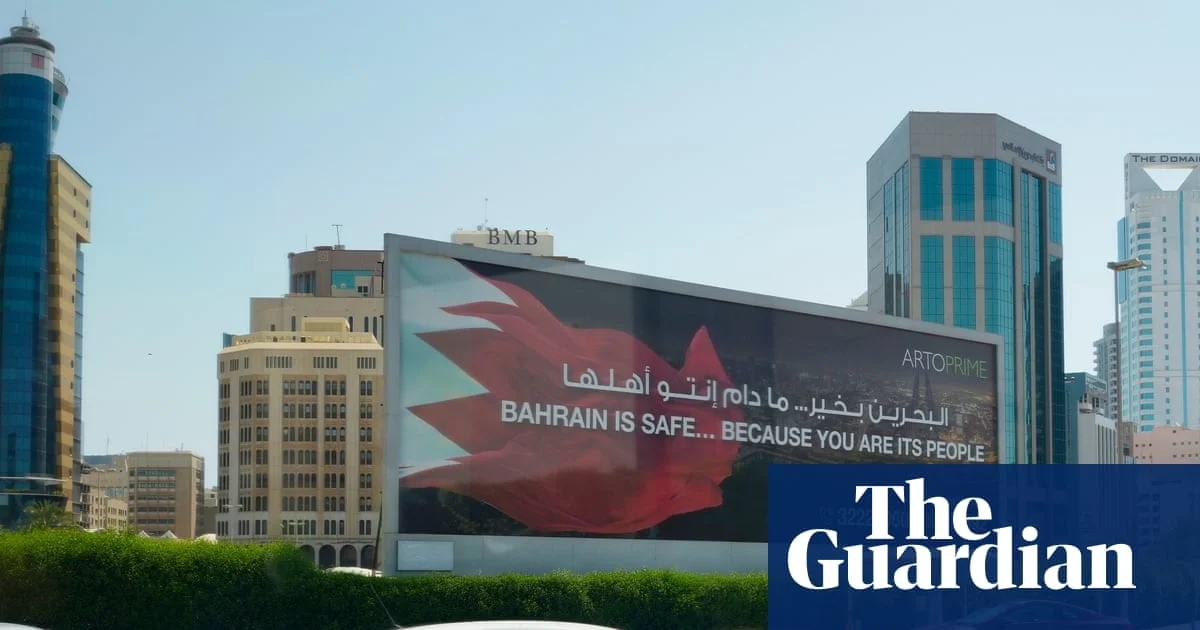
In a sharp escalation of regional hostilities, Bahrain has formally condemned what it describes as an Iranian drone attack on its territory this Saturday. According to official statements, several drones targeted locations within the kingdom, an act Bahrain’s foreign ministry labeled a "flagrant threat to the security of citizens and residents." This development follows reported overnight U.S. strikes on Iranian positions, suggesting a cycle of direct retaliation that has now spilled over into the maritime corridors of the Persian Gulf. Reports also emerged of a commercial vessel being targeted in the Strait of Hormuz, the world’s most sensitive oil chokepoint, further rattling global shipping insurance markets.
For the average observer in Tehran, the geopolitical friction is manifesting directly in the currency markets. The USD/IRR exchange rate moved from 164,750 to 166,850 (+1.3%) within the last 24 hours, reflecting a nervous sentiment among traders who fear that a prolonged maritime conflict could lead to tighter sanctions or supply chain bottlenecks. While there were no immediate reports of major structural damage in Bahrain, the psychological impact on the regional trade hub is significant. The targeting of ships in the Strait of Hormuz is particularly concerning as it directly threatens the flow of energy and goods that sustain the local and global economy.
Tehran Prepares for Farewell to Martyred Leader Amid National Mourning
The Iranian capital is currently transforming into a massive venue for what officials describe as a "worthy farewell ceremony" for the martyred Leader of the Islamic Revolution, Ayatollah Seyyed Ali Khamenei. State media, including IRNA, reports that all national institutions have been placed on maximum capacity to serve the millions of expected mourners and international guests. The transition period comes at a time of extreme external pressure, making the unity of the domestic front a top priority for the Islamic Republic’s establishment. This event is not merely a funeral but a significant political milestone that will likely define the country's internal and external posture for the coming decade.
Economic activity in the capital has partially shifted toward supporting the logistics of this historic event. However, the broader market remains fixated on the volatility of gold and hard currency. Gold 18k per gram rose from 16,229,281 to 16,530,310 (+1.9%), while the Emami coin jumped from 163,000,000 to 166,000,000 (+1.8%). These price increases suggest that investors are seeking refuge in tangible assets as the nation navigates a period of profound leadership transition and heightened regional military activity. The duality of national mourning and market volatility creates a complex backdrop for the Iranian public this weekend.
Venezuela’s Twin Quakes Expose a Health System on the Brink
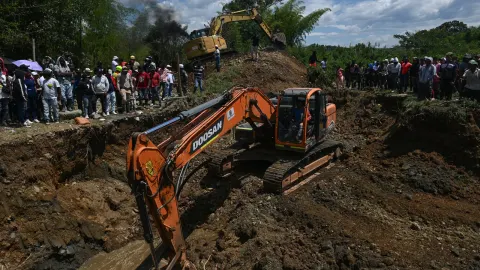
On the other side of the globe, a humanitarian catastrophe is unfolding in Venezuela as the death toll from twin earthquakes has surpassed 1,400. While international search and rescue teams are arriving on the ground, the window for finding survivors is rapidly narrowing. The disaster has laid bare the devastating effects of years of economic crisis and sanctions on the nation’s infrastructure. Reports from the disaster zone describe firefighters using cellphone lights to search through rubble due to a lack of basic equipment, and hospitals operating without running water or essential medical supplies.

, Public domain]
This crisis serves as a grim reminder of how natural disasters can amplify the suffering in nations already struggling with economic isolation. For Iranian readers, the parallels in infrastructure vulnerability under sanctions regimes are often discussed in the context of disaster preparedness. The situation in Venezuela is a case study in the breakdown of essential services; when a health system is already in crisis, a sudden shock like a major earthquake turns a manageable emergency into an insurmountable tragedy. The global community's response in the coming days will be a test of whether humanitarian aid can effectively bypass political barriers to save lives.
The 'Patriot Passport' and the Branding of American Power
In Washington, the White House has unveiled new images of the "Patriot Passport," a commemorative travel document featuring a watermark of Donald Trump’s portrait to mark America’s 250th anniversary. While the administration frames the move as a celebration of national pride, critics and members of the Democratic party have slammed the design as "more befitting a monarchy" than a republic. The introduction of these passports, alongside plans for a gold coin also bearing the president’s likeness, highlights the ongoing trend of personal branding within federal institutions under the current administration.
This move is more than just a symbolic gesture; it reflects a broader shift in how the United States projects its identity to the world. For international business and diplomacy, the personalization of the state can lead to unpredictable policy shifts based on the executive's personal priorities. Meanwhile, in the tech sector, companies like Apple are navigating these political waters by seeking exceptions to buy hardware components from blacklisted Chinese suppliers to manage rising costs. The intersection of highly branded nationalism and the cold reality of global supply chains continues to define the current era of American politics.

Tech & Markets: Post-Prime Day Hangovers and Supply Chain Strains
As the dust settles on the 2026 Prime Day weekend, retail analysts are noting that while the official event has ended, many deals remain available as companies struggle to clear inventory. However, the tech world is more focused on the escalating costs of RAM and storage. Apple’s recent move to seek permission to buy memory from the blacklisted Chinese firm CXMT underscores the desperation within the industry to alleviate supply chain pressure. The Pentagon’s concerns over CXMT’s ties to the People's Liberation Army create a high-stakes standoff between corporate profitability and national security interests.
In the crypto markets, the narrative of Bitcoin as a "digital gold" is being tested. BTC is currently trading at $60,417, failing to catch a significant bid even as physical gold prices surge. Analysts suggest that a selloff in precious metals like silver might be dragging crypto down, as institutional investors liquidate liquid assets to cover margins elsewhere. For the Iranian trader, the USDT price remains the primary concern, currently sitting at 168,644 Toman, acting as a bridge between the volatile local currency and the global digital asset market.
Frequently Asked Questions
Why is the Toman weakening despite the regional leadership transition?
What is the significance of the 'Patriot Passport' in the US?
How is the Venezuela earthquake relevant to the Iranian economy?
Why the Strait of Hormuz Is a Global Energy Chokepoint
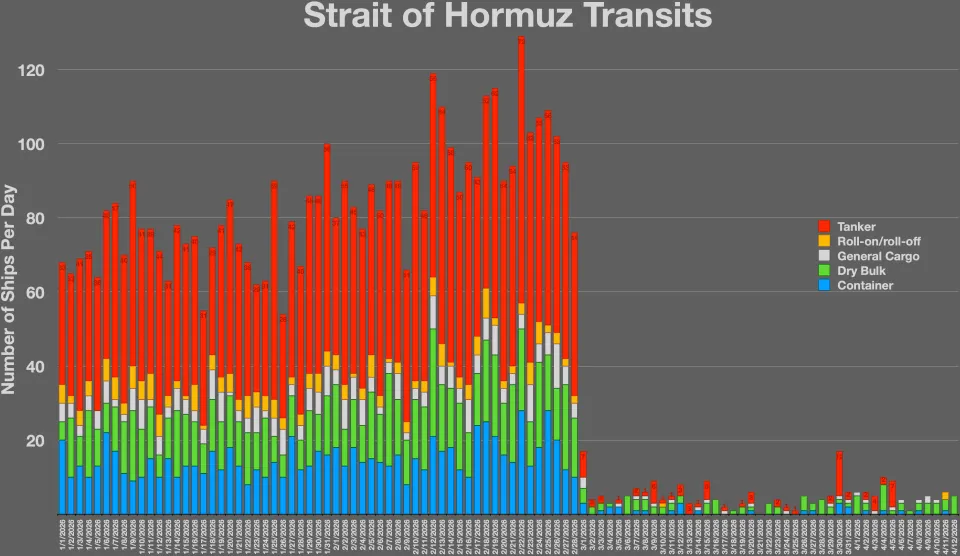
The Strait of Hormuz, a narrow waterway between the Persian Gulf and the Gulf of Oman, is one of the world’s most strategically important maritime passages. At its narrowest point it is only about 21 nautical miles (39 km) wide, with a shipping lane that forces large tankers to pass within a few hundred meters of each other. Roughly 20% of global oil consumption – about 21 million barrels per day – and a significant share of liquefied natural gas (LNG) transit the strait each day, making any disruption a direct threat to worldwide energy markets.
Because the strait sits between Iran and the United Arab Emirates, it has repeatedly become a flashpoint for geopolitical tension. Iran has threatened, and on occasion briefly acted, to close the passage in response to sanctions or perceived aggression, while neighboring states such as Bahrain and Saudi Arabia have conducted naval drills to demonstrate their ability to keep the waterway open. Drone attacks on commercial vessels, like the recent incident reported by Bahrain, illustrate how modern asymmetric warfare can target this chokepoint, raising insurance premiums and prompting shipping companies to consider longer, costlier routes around the Cape of Good Hope.
The economic ramifications of a Hormuz disruption extend far beyond the Middle East. Oil‑producing nations that rely on the Gulf for export – including Saudi Arabia, Kuwait, Iraq, and the United Arab Emirates – would see revenues plunge, potentially destabilising their budgets. Import‑dependent economies, from China to Europe, would face higher fuel prices, which can trigger inflationary pressures and strain consumer spending. Markets react quickly: even rumors of a closure can cause Brent crude to spike, as traders price in the risk of supply shortages.
Historically, the strait has survived several close calls, from the 1980s “Tanker War” during the Iran‑Iraq conflict to the 2019 attacks on oil tankers that were later linked to regional actors. Each episode underscores a key lesson in international security: chokepoints are vulnerable not only to conventional naval forces but also to low‑cost, high‑impact tactics such as drones, mines, and cyber‑enabled navigation disruptions. Understanding the strategic importance of Hormuz helps explain why global powers, from the United States to China, maintain a naval presence there and why diplomatic efforts to keep it open are a recurring feature of Middle‑East negotiations.
In short, the Strait of Hormuz is a classic example of a geographic bottleneck that translates directly into economic risk. Its narrowness, the sheer volume of energy flowing through it, and the volatile regional politics create a perfect storm where a single incident can ripple through the global economy, affecting everything from gasoline prices at the pump to the cost of goods in distant markets.